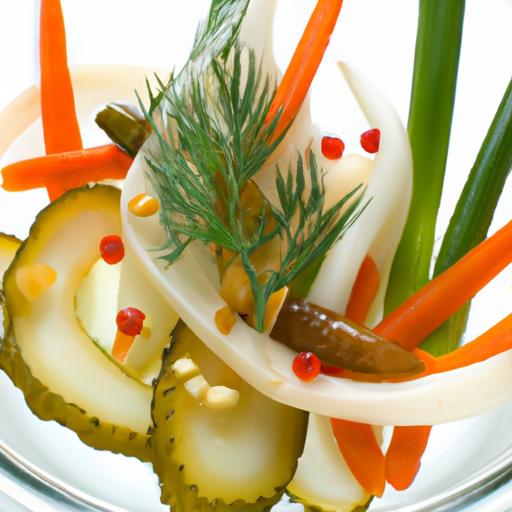

In the vibrant tapestry of global cuisine, few culinary treasures blend artistry and science as seamlessly as pickled vegetables. These tangy gems, with their delightful crunch and complex flavors, are more than just preserved produce-they are edible stories, crafted through centuries of tradition and experimentation. From the ancient fermentation vessels of Asia to the bustling markets of Eastern Europe, the art and science of pickling transform humble vegetables into flavorful masterpieces that awaken the palate and preserve the seasons. this article delves into the interesting world of pickled vegetables, exploring the delicate balance of biology and craft that turns simple roots, leaves, and fruits into tangy traditions cherished around the globe.
The Art and Science of Pickled Vegetables: A Tangy Tradition
The Art and Science of Pickled Vegetables unlocks a world where history, chemistry, and culinary creativity merge to transform humble produce into vibrant, tangy treasures that brighten any table. Pickling is far more than a preservation method; it is a global tradition steeped in cultural meaning, offering layers of flavor, crunch, and nostalgia in every bite. Whether you’re a seasoned fermenter or an adventurous home cook, this recipe post will guide you through the fascinating roots, perfect ingredients, and expert techniques needed to achieve crisp, flavorful pickles that delight the senses and stand the test of time.
Prep and Cook Time
Prep Time: 20 minutes
Cook Time: 10 minutes (for brine) + 48 hours resting for optimal flavor growth
Yield
Approximately 4 pint jars of pickled vegetables | Serves 8-10 as a side or garnish
Difficulty Level
Medium – Suitable for pickling beginners eager to master foundational techniques with precise results
Ingredients
- 4 cups assorted fresh vegetables (e.g., cucumbers, carrots, green beans, cauliflower), washed and trimmed
- 4 cups water (preferably filtered)
- 2 cups distilled white vinegar (5% acidity)
- 3 tablespoons kosher salt or pickling salt (non-iodized)
- 2 tablespoons granulated sugar (optional, balances acidity)
- 4 cloves garlic, peeled and halved
- 2 teaspoons black peppercorns
- 1 tablespoon mustard seeds
- 1 teaspoon dill seeds or fresh dill sprigs
- 1/2 teaspoon red chili flakes (optional for subtle heat)
- Clean sterilized pint jars with lids
Instructions
- Prepare Your Vegetables: Slice cucumbers into spears, cut carrots into sticks, break cauliflower into florets, or trim green beans. Uniform sizes ensure even pickling and crispness.
- Make the Brine: In a medium saucepan, combine water, vinegar, salt, and sugar. Bring to a gentle boil, stirring to dissolve salt and sugar fully. Remove from heat and let cool slightly.
- Pack Your Jars: Tightly pack vegetables into sterilized jars,leaving about 1 inch of headspace. Distribute garlic cloves, peppercorns, mustard seeds, dill, and chili flakes evenly among the jars for balanced flavor.
- Pour the Brine: Carefully pour warm brine over the vegetables, ensuring they’re fully submerged. Tap jars gently to release air bubbles and wipe rims clean before sealing lids tightly.
- Cool and Rest: Let jars cool to room temperature before refrigerating. For best flavor, allow pickles to develop for at least 48 hours.The vibrant tang intensifies with each passing day.
- Enjoy: Once ready, serve crisp, tart pickled vegetables chilled or at room temperature as a bright complement to rich or savory dishes.
Tips for Success
- Vegetable Choice: Choose fresh, firm vegetables for optimal crunch. Avoid overripe or soft produce which can lead to mushy pickles.
- Salt Matters: Use pickling or kosher salt; iodized salt may cause cloudiness or off flavors.
- Brine Acidity: Stick to 5% acidity vinegar for safe preservation and authentic zing.
- Crunch Technique: Adding a few grape leaves or oak leaves (containing tannins) can help maintain crispness naturally.
- Flavor Variations: Experiment with spices like coriander seeds, bay leaves, or fresh herbs such as thyme or rosemary.
- Storage: Refrigerate your pickled vegetables; they keep for up to 4 weeks, the flavors deepening over time.
- Make-Ahead: Prepare jars in advance and store unopened in the fridge-flavors will develop even when stored up to a week before use.
Serving Suggestions
These tangy pickled vegetables are your versatile kitchen companion. Serve chilled atop creamy sandwiches, as a vibrant side to grilled meats, or diced into fresh salads for a pop of acidity and crunch. Garnish with fresh dill sprigs or a light dusting of cracked black pepper to enhance their rustic charm. For a colorful centerpiece, arrange an assorted pickle platter alongside cheeses and charcuterie-watch them disappear in no time!

Nutritional Information (per 1/2 cup serving)
| Calories | Protein | Carbs | Fat |
|---|---|---|---|
| 25 | 1g | 5g | 0g |
For more inspiration on fermenting vegetables, explore our detailed guide on how to ferment vegetables at home. For a deeper dive into the science of acidity and preservation, visit this USDA resource on safe pickling practices.
Q&A
Q&A: The Art and Science of Pickled Vegetables – A Tangy Tradition
Q1: What exactly are pickled vegetables, and why have they been cherished across cultures for centuries?
A1: Pickled vegetables are fresh veggies transformed through a preservation process using brine, vinegar, or fermentation. This tangy tradition dates back thousands of years because it not onyl extends shelf life but also enhances flavor and adds a delightful zing to meals. Across continents-from Korean kimchi to Eastern European sauerkraut-pickling has been a flavorful bridge connecting past and present palates.
Q2: How does the process of pickling work-what’s happening scientifically?
A2: At its core, pickling harnesses chemistry and microbiology. When vegetables are submerged in salty water or vinegar, the surroundings becomes inhospitable to spoilage bacteria. In fermented pickling, beneficial bacteria like Lactobacillus thrive, converting sugars into lactic acid. This acidification not only preserves the veggies but also creates that signature sour tang and complex aroma we crave. It’s a stunning dance of microbes, acidity, and time.Q3: What are the main types of pickling methods, and how do they differ?
A3: The two primary pickling styles are vinegar pickling and fermentation.Vinegar pickling involves soaking vegetables in an acidic solution,instantly curbing spoilage. Fermentation, conversely, is a slower, living process where naturally occurring bacteria convert sugars into acids. This method yields richer probiotics and deeper complexity but demands patience. Both paths result in uniquely tangy treasures.
Q4: Can any vegetable be pickled, or are some better suited to the process?
A4: While many vegetables lend themselves beautifully to pickling, some are especially famed for absorbing tanginess and keeping crunch-think cucumbers, carrots, cabbage, and radishes. Leafy greens and delicate veggies need gentler care or shorter pickling times. The key is balancing texture, flavor absorption, and fermentation time to craft the perfect bite.
Q5: Besides taste and preservation, do pickled vegetables offer any health benefits?
A5: Absolutely! Fermented pickles are probiotic powerhouses, packed with beneficial bacteria that support gut health and digestion. The acids and salts can also aid in mineral absorption. That said, moderation is key-pickles can be high in sodium. When homemade, you can control the ingredients to maximize health perks without excess additives.
Q6: How can home cooks experiment with pickling to create their own tangy delights?
A6: Start small and simple: slice your favorite veggies, choose a brine recipe (vinegar or saltwater), and infuse with herbs, spices, or chili for personality. Use clean jars and keep them refrigerated or ferment at room temperature for a few days. Taste often! The art lies in tweaking flavors-perhaps adding garlic one day, or experimenting with sweet spices the next. Pickling is a playful, sensory adventure that transforms humble vegetables into culinary treasures.
Q7: What cultural stories or rituals surround pickled vegetables around the world?
A7: Pickled vegetables are woven into many cultural tapestries-kimchi in Korea is a symbol of community and seasonal change, while in Jewish tradition, pickled cucumbers evoke memories of heritage and family. In India, pickles (achar) are vibrant expressions of regional spices and sun-drenched preservation. Each jar tells a story of place, history, and love passed through generations.
Q8: In today’s fast-paced world, why does pickling still matter?
A8: Beyond flavor, pickling connects us to tradition, sustainability, and mindful eating.It encourages resourcefulness-transforming seasonal surpluses into year-round snacks. It invites us to slow down, engage senses, and celebrate the magic of transformation. In every tangy crunch lies a timeless reminder: preservation is not just science-it’s an art that nurtures body, soul, and culture.
Key Takeaways
as we close the jar on our exploration of pickled vegetables, it’s clear that this tangy tradition is much more than a simple preservation method. It is a harmonious blend of art and science, where chemistry meets creativity, and history tangles with flavor. Whether you’re drawn to the crisp snap of a freshly pickled cucumber or intrigued by the probiotic wonders lurking beneath the brine, pickling invites us to slow down, savor, and connect with a time-honored practice that continues to delight palates around the world. So next time you reach for that jar of pickled goodness, remember-you’re not just tasting a vegetable preserved in vinegar; you’re experiencing a vibrant legacy, brewed with patience, passion, and a pinch of tang.