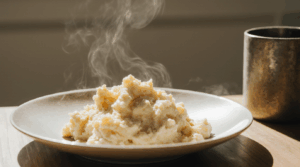

There’s something undeniably comforting about starting your day with a warm, fluffy plate of scrambled eggs. Yet, achieving that perfect texture-a delicate balance between creamy and airy-can frequently enough feel elusive. Whether you’re a kitchen novice or a seasoned breakfast enthusiast,mastering the art of scrambled eggs transforms a simple morning ritual into a gourmet experience. In this article, we’ll crack open the secrets behind flawless scrambled eggs, share expert tips, and serve up techniques that guarantee a luscious, cloud-like finish every time. Get ready to elevate your breakfast game and savor mornings like never before.
Mastering scrambled eggs begins with understanding the magic behind ultimate fluffiness-transforming simple eggs into a cloud-like morning feast that delights every palate. Whether it’s a weekend brunch or a speedy weekday breakfast, the secret lies in selecting the right ingredients, appreciating the science involved, and following precise techniques that elevate ordinary eggs into creamy, airy perfection.
Prep and Cook Time
- Planning: 5 minutes
- Cooking: 5 minutes
- Total Time: 10 minutes
yield
- Serves 2
Difficulty Level
- Easy
ingredients
- 4 large eggs (preferably free-range or organic for best flavor and texture)
- 2 tablespoons whole milk or half-and-half (for added creaminess)
- 1 tablespoon unsalted butter (for richness and a silky finish)
- pinch of sea salt (adjust to taste)
- Freshly ground black pepper (optional, for seasoning)
- Optional garnishes: chopped chives, grated cheese, or smoked paprika
The science Behind Fluffy Scrambled Eggs Explained
Eggs are a natural network of proteins that tighten when heated. The key to fluffy scrambled eggs lies in gently coagulating these proteins so they form tender curds without drying out or becoming rubbery. adding a small amount of dairy like whole milk or half-and-half helps interrupt protein bonding, allowing more air to be trapped and resulting in creamier, silkier eggs. The gentle heat prevents overcooking, while slow stirring encourages small curd formation, which is crucial for that coveted light, airy texture.
step by Step Techniques for Creamy and Airy Texture
- Crack the eggs into a bowl and add the milk. Whisk vigorously with a fork or a balloon whisk until the mixture is uniform and frothy-incorporating air is the first step towards fluffiness.
- Heat a non-stick skillet on medium-low and melt the butter, letting it foam but not brown. This gentle heat ensures the eggs cook evenly.
- Pour the egg mixture into the pan and let it settle for a few seconds without stirring, allowing the edges to begin setting softly.
- Using a silicone spatula, gently push the eggs from the edges toward the center, creating soft folds.Pause briefly then push again, repeating slowly and mindfully.
- Remove from heat just before the eggs are fully set. Residual heat will finish cooking them, preserving moisture and the luscious creamy texture.
- Season with salt and freshly ground pepper, and gently fold in any optional toppings.
Common Mistakes to Avoid for consistently Perfect Results
- Overheating the pan: High heat causes eggs to tighten and release moisture rapidly, leading to dry, curdled results. Cook slowly on low to medium-low heat.
- Skipping dairy or air incorporation: Neglecting to beat the eggs well or omit milk/cream will reduce the fluffiness and silkiness.
- Constant stirring at high speed: Vigorous stirring can break up eggs into tiny curds, losing the soft, pillowy structure.
- Cooking too long: Eggs continue to cook even off the heat; removing too late makes them rubbery.
- Using low-quality eggs: Fresh, high-quality eggs have a better taste and texture which dramatically enhances the final outcome.
chef’s Notes
- For even creamier eggs, substitute half milk with crème fraîche or sour cream just before finishing the eggs off heat.
- Experiment with flavorful fold-ins such as sautéed mushrooms, fresh herbs, or a sprinkle of gruyère cheese for gourmet flair.
- You can prepare eggs ahead by whisking and storing them chilled for up to 12 hours, but always cook fresh for fluffiest results.
- For vegan alternatives, try scrambled tofu seasoned with kala namak (black salt) which mimics egg flavor, whisked with a bit of plant-based milk.
Serving Suggestions
Serve your airy, creamy scrambled eggs on warm, buttered rustic toast or flaky croissants to contrast textures perfectly. Garnish with freshly chopped chives or a dusting of smoked paprika for a pop of color and subtle smoky depth. Add a side of sautéed baby spinach or roasted cherry tomatoes to brighten the plate and balance richness. A small drizzle of high-quality extra virgin olive oil or a dollop of crème fraîche can elevate the presentation and flavor.

| Nutrient | Per serving |
|---|---|
| Calories | 210 kcal |
| Protein | 14 g |
| Carbohydrates | 2 g |
| Fat | 15 g |
For further inspiration on breakfast techniques, check out our Guide to Perfect omelette Techniques, and deepen your understanding of nutrition with this detailed resource from Serious Eats on the Science of Cooking Eggs.
Q&A
Q&A: Mastering scrambled Eggs – Tips for Perfect Fluffy Mornings
Q1: What’s the secret to making scrambled eggs fluffy rather than rubbery?
A1: The fluffiness comes from gentle heat and a little patience. Cook your eggs over low to medium-low heat and stir slowly but consistently. This allows small,soft curds to form,trapping air and creating that light,creamy texture. Avoid rushing with high heat, which toughens the proteins and leads to rubbery eggs.
Q2: Should I use milk,cream,or water in my scrambled eggs?
A2: This depends on your fluff factor goals! Adding a splash of milk or cream adds richness and creaminess,while a dash of water can create steam during cooking,promoting fluffiness without extra fat. Some purists prefer eggs unadulterated to savor their natural flavor, but experimentation is key to finding your perfect mix.
Q3: Does the type of pan really effect how scrambled eggs turn out?
A3: Absolutely! A non-stick skillet is your best ally for silky scrambled eggs. It prevents sticking and allows for gentle stirring without tearing the delicate curds. Heavy-bottomed pans distribute heat evenly, preventing hot spots that scramble eggs too quickly or unevenly.Q4: How vital is the timing of seasoning?
A4: Timing is flavor magic! Salt can break down the eggs’ proteins if added too early, making them watery. It’s generally best to season eggs halfway through cooking or just after removing them from heat to preserve texture and enhance taste.
Q5: What’s the best way to stir scrambled eggs for optimal fluffiness?
A5: Think of stirring eggs like a slow dance. Use a spatula or wooden spoon to gently scrape the bottom and fold the eggs over themselves. Stirring too frequently or vigorously breaks the curds into tiny bits,resulting in a more uniform but often less fluffy texture. Aim for soft folds rather than a frantic scramble.
Q6: Can I master scrambled eggs without using butter?
A6: You can, though butter adds a luscious creaminess and helps with non-stick cooking.Alternatives like olive oil or even coconut oil impart different flavor profiles but might alter the texture slightly. For fluffiest eggs, the key is gentle heat and patience, regardless of fat choice.
Q7: Any pro tips for taking scrambled eggs from good to gourmet?
A7: Definitely! Try finishing your eggs off with a dollop of crème fraîche or a sprinkle of fresh herbs like chives or dill. A touch of cheese folded in at the end, such as feta or goat cheese, adds dimension and indulgence. And don’t forget a little cracked black pepper for a subtle kick!
Master your morning with these tips, and every scramble will be a fluffy, flavorful masterpiece worthy of the sunrise.
Concluding Remarks
With these masterful tips in your culinary toolkit, scrambled eggs are no longer just a breakfast staple-they become a canvas for fluffy, buttery perfection every morning. Whether you prefer them soft and silky or light and airy, the secrets to flawless scrambled eggs lie in technique, patience, and a touch of love. So next time you step in front of the stove, remember: mastering the humble scrambled egg is less about scrambling and more about savoring each step. Here’s to transforming your mornings,one delightful,fluffy bite at a time.