
In the vibrant tapestry of Spanish cuisine, few dishes capture the essence of tradition and refreshment quite like gazpacho. This iconic cold soup, bursting with sun-ripened tomatoes, crisp vegetables, and a symphony of mediterranean flavors, is much more than a simple summer starter-it is a culinary treasure steeped in history and regional pride. “Timeless Taste: Unveiling the Secrets of Classic Spanish gazpacho” invites you on a flavorful journey to discover the origins, cultural importance, and authentic ingredients that have kept this beloved dish a staple on Spanish tables for centuries. Join us as we peel back the layers of this humble yet extraordinary recipe, revealing why gazpacho continues to enchant palates around the world with its refreshing charm and timeless appeal.
Timeless Taste: Unveiling the Secrets of classic Spanish Gazpacho is a culinary journey into the heart of Andalusia, where this vibrant, chilled soup originated as a humble farmer’s meal. Its refreshing qualities and bold simplicity have made it a beloved dish across generations, celebrated for capturing the essence of ripe summer tomatoes, garden-fresh vegetables, and fragrant olive oil. As someone who cherishes Mediterranean flavors, gazpacho always invites a sensory experience: from the vivid ruby red hue to the crisp, tangy notes that awaken the palate, it truly defines Spanish cuisine’s joyous spirit.
Prep and Cook Time
- Readiness: 20 minutes
- Chilling: 2 hours minimum
- Total Time: 2 hours 20 minutes
Yield
Serves 6 refreshing portions
Difficulty Level
easy – Perfect for beginners and seasoned cooks alike
Essential Ingredients that Define Authentic Gazpacho flavor
- 6 ripe plum tomatoes, peeled and chopped
- 1 large cucumber, peeled and diced (reserve some seeds for garnish)
- 1 red bell pepper, seeded and chopped
- 1 small red onion, finely chopped
- 2 cloves garlic, minced
- 3 cups fresh crusty bread (day-old preferred), torn into small pieces
- 2 cups cold water
- 1/4 cup extra virgin olive oil
- 3 tablespoons red wine vinegar
- 1 teaspoon fine sea salt
- Freshly ground black pepper, to taste
Mastering the Art of Preparation for the Perfect Chilled Soup
- Prepare the vegetables: Peel and chop tomatoes, cucumber, bell pepper, and onion to uniform sizes. This ensures a smooth blend and harmonious texture.
- Soften the bread: In a bowl, soak the torn bread pieces with cold water until they become very soft, around 5 minutes. Gently squeeze out excess water to maintain a creamy consistency without sogginess.
- Blend ingredients: In a high-powered blender, combine the chopped tomatoes, cucumber, red bell pepper, onion, garlic, soaked bread, red wine vinegar, and salt. Blend until the mixture is velvety smooth.
- Incorporate olive oil: With the blender running on low speed,slowly drizzle in the extra virgin olive oil to emulsify the soup,creating a luscious texture that coats the tongue.
- Adjust consistency and seasoning: Add cold water gradually to achieve the desired thickness. Taste and adjust salt, pepper, or vinegar as needed for a balanced, tangy finish.
- Chill thoroughly: Refrigerate the gazpacho for at least 2 hours to meld flavors and enhance the refreshing chill-an essential component to its summertime appeal.
- Final touch: before serving, give the gazpacho a gentle stir and, if desired, strain through a fine sieve for an ultra-smooth texture favored by some.
Expert Tips for Serving and Pairing Gazpacho to Elevate Your Meal
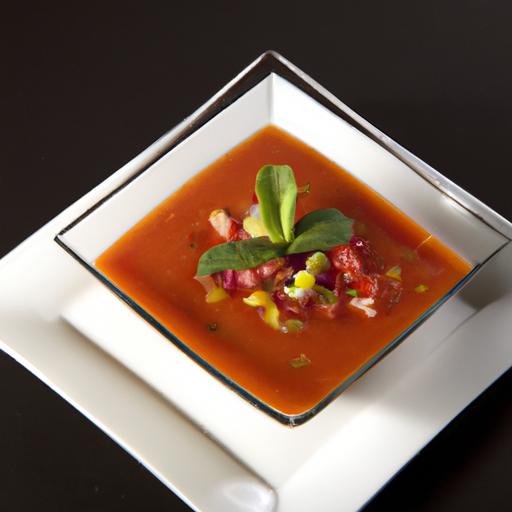
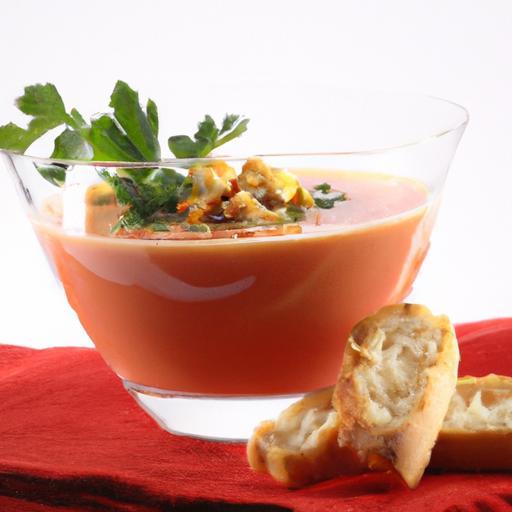
- Serve gazpacho in chilled bowls or stylish glass cups to maintain its refreshing essence. Garnish with finely diced cucumber, red bell pepper, a drizzle of olive oil, and fresh basil leaves to add colour and crunch.
- Pair gazpacho with classic Spanish tapas such as patatas bravas or manchego cheese for a gratifying contrast of flavors and textures.
- complement the vibrant soup with a crisp Albariño or chilled Rosé wine, whose acidity beautifully balances gazpacho’s tangy notes. For more on Spanish wine pairings, visit spanish Wine Lover.
- For a heartier version, serve gazpacho alongside toasted rustic bread topped with garlic and tomato, known as ”pan con tomate”-a quintessential Andalucían accompaniment.
Chef’s Notes: Tips for Success
- If tomatoes lack ripeness, roast them lightly to intensify sweetness and depth.
- Use stale bread for better absorption and a richer mouthfeel; fresh bread may dilute the flavor.
- adjust garlic quantity to taste-fresh garlic is pungent so start conservatively.
- To make ahead, prepare gazpacho up to 24 hours in advance and refrigerate in an airtight container to develop richer flavors.
- For a smoother finish, experiment with blending longer or passing the gazpacho through a fine-mesh strainer.

| Nutrient | Per Serving |
|---|---|
| Calories | 150 kcal |
| Protein | 3 g |
| Carbohydrates | 20 g |
| Fat | 7 g |
Q&A
Q&A: Timeless Taste – Unveiling the Secrets of Classic Spanish gazpacho
Q1: What makes gazpacho a timeless classic in Spanish cuisine?
A1: Gazpacho’s timelessness lies in its refreshing simplicity and deep cultural roots. This chilled tomato-based soup, born in the sun-drenched fields of Andalusia, captures the essence of Spanish summers. its vibrant blend of ripe tomatoes,crisp cucumbers,sweet bell peppers,and pungent garlic creates a harmony of flavors that has delighted palates for centuries. Beyond just a dish, gazpacho is a liquid snapshot of Spain’s agricultural heritage and Mediterranean lifestyle.
Q2: How did gazpacho originate, and how has it evolved through history?
A2: Gazpacho’s origin traces back to the Roman and Moorish eras when cold bread soups were common in the Iberian Peninsula. The introduction of the tomato from the New World in the 16th century transformed these humble mixtures into the gazpacho we know today. Over time, local produce and family recipes gave rise to numerous regional variations, but the core principle remains-a cold, nourishing soup made to beat the Spanish heat with freshness and zest.
Q3: What are the essential ingredients that define a classic gazpacho?
A3: At its heart, classic gazpacho is a blend of luscious, sun-ripened tomatoes, crunchy cucumber, sweet red bell peppers, tart sherry vinegar, robust extra virgin olive oil, garlic, onion, and a touch of stale bread to lend body and texture. Salt and sometimes a hint of cumin or smoked paprika round out the flavor profile. Each ingredient plays an indispensable role,layering freshness,acidity,earthiness,and creaminess into every spoonful.
Q4: Why is the texture of gazpacho so important, and how is it traditionally achieved?
A4: The texture of gazpacho balances smoothness with a touch of bite-a velvety base punctuated by small vegetable bits. Traditionally,chefs would crush the ingredients using a mortar and pestle,lovingly integrating the flavors without over-blending. Modern blenders speed up the process, but the key remains patience: letting the soup chill and rest so flavors meld, while carefully managing the consistency to avoid losing its signature refreshing crunch.
Q5: Can gazpacho be customized while still honoring its classic roots?
A5: Absolutely! While classic gazpacho adheres to a respectful formula, its versatility invites innovation. Some add fruits like watermelon or strawberries for a sweet twist; others incorporate avocado for creaminess or spice it up with a dash of cayenne. Yet, purists maintain that any variation must preserve the core spirit-vibrant, chilled, vegetable-forward, and olive oil-enriched-to keep the true essence of this Spanish gem alive.
Q6: What cultural significance does gazpacho hold in Spain today?
A6: Gazpacho is more than a dish; it’s a symbol of conviviality and seasonal rhythm. Served during festivals,family gatherings,and lazy afternoons across Spain,gazpacho celebrates the bounty of the land and the joy of communal sharing. It links past and present, reminding each generation of the simplicity and elegance that define Mediterranean living. Enjoying gazpacho is a ritual that connects us to the sun, soil, and soul of Spain.
Q7: How can someone outside Spain authentically enjoy gazpacho at home?
A7: To recreate authentic gazpacho,choose the freshest,ripest tomatoes you can find-ideally vine-ripened or heirloom varieties. Source quality extra virgin olive oil and sherry vinegar. Don’t rush the blending process; rather, chill the soup for several hours to allow flavors to deepen. Serve it ice-cold, garnished with diced vegetables or a drizzle of olive oil. Pair with crusty bread and a glass of chilled Spanish white wine to fully immerse yourself in the classic gazpacho experience.
This Q&A brings you closer to gazpacho’s enduring charm-an ode to Spain’s culinary heritage that keeps cool summers eternally flavorful.
in summary
As the last cool spoonful of gazpacho cleanses the palate, we are reminded that this vibrant, humble dish carries far more than just fresh ingredients-it carries centuries of culture, tradition, and the sun-soaked spirit of Spain. Timeless in its simplicity yet endlessly refreshing, classic Spanish gazpacho invites us to savor not only its shining flavors but also the stories simmering beneath its crimson surface. Whether enjoyed on a sweltering summer day or recreated in kitchens across the globe, gazpacho remains a flavorful testament to the enduring power of culinary heritage-a true taste of history that continues to inspire and delight with every chilled, velvety sip.