
As the vibrant hues of autumn settle in and the air turns crisp, the humble cranberry takes center stage-bursting with tart flavor and rich antioxidants. While fresh cranberries are a seasonal delight, their radiant, tangy juice can brighten your pantry all year long. Imagine capturing that fresh-picked taste in a jar, preserving the essence of the harvest to enjoy in festive cocktails, morning smoothies, or cozy winter warmers. Canning cranberry juice at home is a rewarding way to bottle nature’s bounty, combining time-honored techniques with modern kitchen savvy. In this article, we’ll guide you through the art and science of preserving your own cranberry juice, so you can savor the harvest’s vibrant spirit long after the season fades.
Choosing the Perfect Cranberries for Flavorful Juice
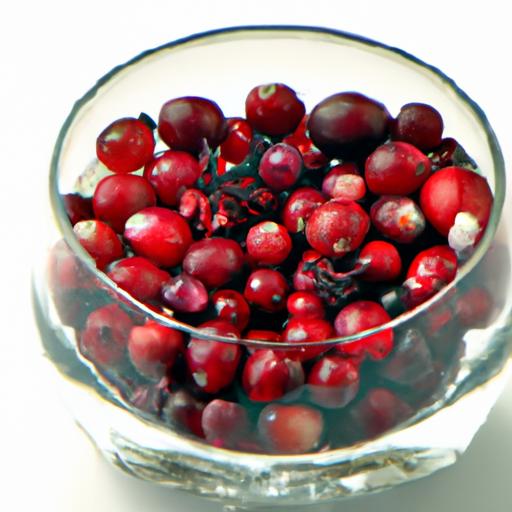
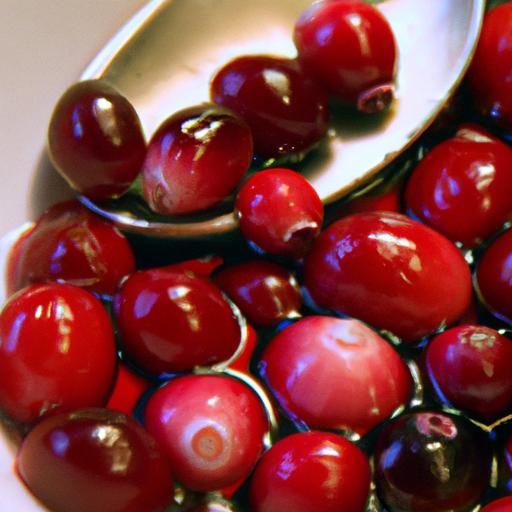
Choosing the perfect cranberries is the cornerstone of making vibrant, flavorful juice that embodies the true essence of autumn’s bounty. When selecting cranberries, look for fresh, plump berries with a glossy, deep red color. Avoid any soft, shriveled, or blemished berries, as these can affect the juice’s clarity and flavor. Freshly harvested or frozen cranberries both work well, but fresh ones tend to yield brighter, more robust juice.
For maximum flavor complexity, seek out cranberries labeled as “cultivar” varieties, such as Stevens or Early Black, which possess a balance of tartness and natural sweetness. When washed and sorted carefully, these cranberries promise a juice rich in antioxidants and the signature tang that makes cranberry juice so refreshing.

Essential Equipment and Safety Tips for Home Canning
To ensure your canning journey is both safe and prosperous, assembling the right tools and understanding safety protocols is essential. Begin with a large, heavy-bottomed pot or a water-bath canner that can fit your jars comfortably. use quart or pint-sized canning jars specifically designed to withstand high temperatures, along with fresh two-piece canning lids for a trusted seal.
always work with clean hands and sterilize your jars by boiling them for 10 minutes before filling. use a jar lifter to handle hot jars safely, and keep a magnet wand handy for lifting lids without contaminating them. After filling, wipe rims of jars clean to prevent sealing issues, than process jars in a boiling water bath according to recommended times.
Remember, the National Center for Home Food Preservation is a valuable resource with tested guidelines to safeguard your cranberry juice canning experience.
Step-by-Step Guide to Preparing and Canning Cranberry Juice
Embark on your canning adventure with confidence by following these straightforward steps that preserve the vibrant flavor and natural goodness of cranberry juice.
- Prep time: 15 minutes
- Cook Time: 30 minutes
- Yield: Approximately 6 quarts of cranberry juice
- Difficulty Level: Medium
ingredients
- 8 cups fresh cranberries, rinsed and sorted
- 6 cups water
- 1 to 2 cups granulated sugar (adjust based on preferred sweetness)
- 1 tablespoon lemon juice, freshly squeezed
instructions
- Prepare the Cranberries: In a large saucepan, combine the rinsed cranberries with water. Bring to a gentle boil over medium heat.
- Simmer and Mash: Reduce heat to low and simmer for 15-20 minutes until the cranberries burst, releasing their juices. Occasionally stir and gently mash the berries with a potato masher to extract maximum flavor.
- Strain the Juice: Pour the mixture through a fine-mesh sieve lined with cheesecloth into a large bowl. Let it drip without pressing too hard to avoid cloudiness. For a clearer juice, strain a second time.
- Add Sweetener and Lemon: Return the strained juice to the saucepan. Stir in sugar and lemon juice, warming gently until sugar dissolves fully. Adjust sweetness to taste; tartness is the hallmark of cranberry juice, so balance it gently.
- Sterilize Jars: While heating your juice, sterilize canning jars by boiling them for 10 minutes. Keep lids in simmering water.
- Fill Jars: Using a funnel, ladle hot juice into jars, leaving ¼ inch headspace. Wipe jar rims clean with a damp cloth to ensure a proper seal.
- Seal and process: Seal jars tightly with lids and bands. Place jars in your boiling water canner, ensuring water covers jars by at least 1 inch. Process pint jars for 15 minutes, quart jars for 20 minutes.
- Cool and Store: Remove jars carefully using a jar lifter. Place on a towel or cooling rack undisturbed for 12-24 hours.Check seals by pressing the center of the lid; if it doesn’t pop back, the jar has sealed properly.
creative Ways to Use and Store Your Homemade Cranberry Juice
Once you’ve mastered how to can cranberry juice at home, the countless ways to enjoy your liquid treasure will inspire your palate and creativity. Serve chilled over ice with a sprig of fresh mint for a refreshing mocktail. Mix with sparkling water and a splash of orange zest for a vibrant, bubbly refresher.
In the kitchen, cranberry juice adds a tart brightness to marinades, sauces, and even salad dressings. Try blending it with ginger and honey for a zingy glaze on roasted vegetables or grilled poultry substitutes. To preserve its zest, keep canned jars stored in a cool, dark place. Once opened, refrigeration and consumption within 7-10 days is best to savor peak freshness.
For festive occasions, freeze cranberry juice in ice cube trays to chill cocktails or iced teas without dilution. Incorporate into smoothies with banana and apple for a nutrient-packed morning boost.
Chef’s Notes
- Adjusting Sweetness: The natural tartness of cranberries is intense. Begin with 1 cup sugar and increase gradually after tasting warmed juice.
- Clearer Juice Tip: For crystal-clear juice, let strained juice settle for a few hours and skim off any foam or sediment floating to the top before canning.
- Make-Ahead: Juice can be prepared ahead and refrigerated for 24 hours before canning. just remember to reheat gently to dissolve sugar and sterilize before filling jars.
- Customization: Explore adding a cinnamon stick or a few cloves to the pot during simmering for a warm, spiced nuance.
| Nutrition (per 8 oz) | Calories | Protein | Carbs | Fat |
|---|---|---|---|---|
| Homemade Cranberry Juice | 110 | 0.5g | 28g | 0g |
For a deeper exploration of home preservation methods, check out our comprehensive guide on home canning techniques.
Q&A
Q&A: Preserve the Harvest – How to Can Cranberry Juice at home
Q1: why should I consider canning cranberry juice at home instead of buying it pre-packaged?
A1: Canning cranberry juice at home lets you capture the fresh, vibrant flavor of freshly harvested cranberries without any needless additives or preservatives. You control the sweetness, adjust the tartness to your liking, and preserve the bright, natural taste that store-bought versions often lack. Plus, homemade canned juice means you have a ready supply of autumn’s bounty all year round!
Q2: What equipment do I need to get started with canning cranberry juice?
A2: To can cranberry juice safely, you’ll need a sturdy canning pot or large stockpot, mason jars with fresh lids and bands, a funnel, a ladle, jar lifter tongs, and a clean towel. A food strainer or jelly bag helps separate juice from pulp for a smooth texture, while a thermometer ensures your juice reaches a safe temperature before sealing.
Q3: How do I prepare cranberries to make juice for canning?
A3: Start by rinsing fresh cranberries thoroughly to remove any debris. Simmer the cranberries gently in water until they burst and release their juice-usually about 15-20 minutes.Then strain the mixture through a fine sieve or jelly bag to extract pure juice while discarding skins and seeds. at this point, you can sweeten the juice to taste with sugar or natural sweeteners.Q4: Is it necessary to add sugar when canning cranberry juice?
A4: Sugar is optional and depends entirely on your palate. Cranberries are naturally tart, so adding a bit of sugar balances the sharpness and enhances flavor. Though, if you prefer a tangy, unsweetened juice, you can skip sweetening altogether or try natural alternatives like honey or maple syrup-just remember that sweetness also affects preservation and taste.
Q5: How do I ensure the cranberry juice is preserved safely during canning?
A5: Safety first! Heat the cranberry juice to a rolling boil before pouring it into sterilized jars, leaving about a half-inch headspace. Wipe the jar rims clean,seal with lids and bands,and process the jars in a boiling water bath for approximately 10 minutes. This method kills bacteria and creates a vacuum seal to keep juices fresh.
Q6: How long can canned cranberry juice be stored,and how should I store it?
A6: Properly canned and sealed cranberry juice can last up to a year when stored in a cool,dark place like a pantry or cellar. Once opened, refrigerate it and enjoy within a week for optimal freshness. Label your jars with the date to keep track of your harvest treasures!
Q7: Can I use canned cranberry juice in recipes beyond drinking it straight?
A7: Absolutely! Your homemade cranberry juice is a versatile ingredient. Use it in refreshing mocktails, mix it with sparkling water for a fizzy treat, or incorporate it into sauces, marinades, and desserts. Its tart brightness adds a lovely zing wherever a splash of fruitiness is called for.
Q8: What are common pitfalls to avoid when canning cranberry juice?
A8: Avoid under-processing jars and skipping sterilization steps, as these can lead to spoilage. Be sure to use fresh jars and lids to ensure a tight seal.Don’t overfill jars-leave adequate headspace to allow for expansion during boiling. Lastly, always check seals after processing and discard any jars that show signs of leakage or mold.
Q9: Can I can cranberry juice from frozen cranberries if fresh ones aren’t available?
A9: Yes! Frozen cranberries can be just as good for juicing and canning. Thaw them completely and follow the same simmering and straining process. The key difference is that frozen berries might release juice more quickly because the freezing process ruptures their cell walls.
Q10: What’s the best time of year to harvest cranberries for making juice?
A10: Cranberries are typically harvested in the fall, between September and November, when they’re firm and brightly colored. This timing ensures the fruits are at their peak flavor and juiciness-perfect for canning and savoring throughout the year.
Concluding Remarks
As the crisp autumn air fades and the vibrant hues of harvest give way to winter’s hush, your pantry can hold a little jar of summer’s tangy brilliance. By canning your own cranberry juice at home, you’re not just preserving a flavor-you’re bottling memories, warmth, and the very essence of the season. Whether enjoyed as a refreshing drink, mixed into festive cocktails, or poured over desserts, your homemade cranberry juice will be a testament to the art of mindful preservation. So roll up your sleeves, gather your berries, and give the harvest a chance to live on, one sealed jar at a time. Cheers to savoring nature’s bounty year-round!