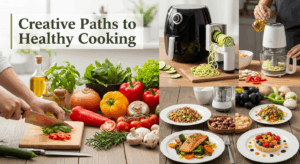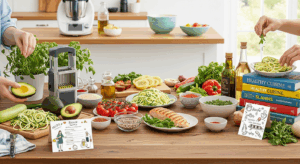

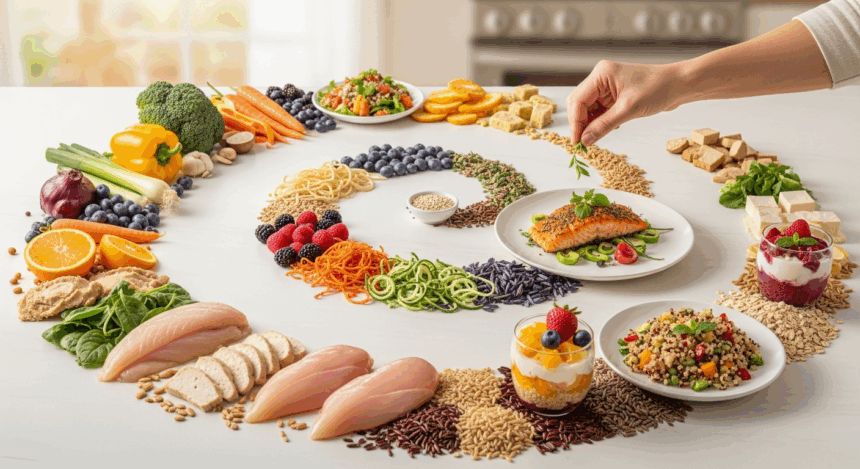
In a world brimming with flavor and tradition, the journey to wellness frequently enough begins right in our own kitchens. “Savor wellness: Creative Paths to Healthy Cooking Methods” invites you to explore the art of nourishing your body without sacrificing taste or joy. Beyond boiling and steaming lies a vibrant palette of techniques that transform ordinary ingredients into vibrant, healthful masterpieces. This article delves into innovative, approachable ways to cook that prioritize vitality and flavor-because true wellness is not just what you eat, but how you prepare it. Step inside, and discover how creativity in cooking can turn every meal into a party of health.
Savor Wellness: Creative Paths to Healthy Cooking Methods
Savor Wellness guides you on an inspired culinary journey where the vibrant harmony of taste and nutrition meets ingenious techniques that preserve the natural goodness of every ingredient. This approach unlocks a flavor spectrum that’s both nourishing and deeply satisfying. Today, we explore a nourishing recipe that encapsulates this beliefs-one that champions fresh herbs, nutrient-preserving methods, and innovative kitchen appliances, delivering a wholesome dish that brightens both palate and mood.
prep and Cook Time
- Readiness: 15 minutes
- Cooking: 25 minutes
- Total Time: 40 minutes
Yield
Serves 4 generous portions
Difficulty Level
Easy - perfect for everyday wellness-focused cooking
Ingredients
- 1 cup quinoa, rinsed thoroughly
- 2 cups low-sodium vegetable broth
- 1 medium zucchini, diced
- 1 large red bell pepper, chopped
- 1 cup cherry tomatoes, halved
- 1/2 cup chopped fresh parsley
- 1/4 cup fresh basil leaves, chiffonade
- 2 cloves garlic, minced
- 1 tablespoon extra virgin olive oil
- 1 teaspoon smoked paprika
- 1/2 teaspoon turmeric powder
- Juice of 1 lemon
- Salt and freshly ground black pepper, to taste
Instructions
- Prepare the quinoa: In a medium saucepan, combine the rinsed quinoa and vegetable broth. Bring to a gentle boil, then reduce the heat to low and cover. Simmer for 15 minutes, or until the liquid is absorbed and quinoa is tender but fluffy. Remove from heat and let it rest, covered, for 5 minutes.
- Sauté the vegetables: While quinoa cooks, heat olive oil in a large non-stick skillet over medium heat. Add minced garlic and sauté just until fragrant, about 30 seconds-be careful not to burn it.
- Add diced zucchini and red bell pepper to the skillet. Stir continuously and cook about 5-7 minutes until veggies soften but maintain slight bite.
- Incorporate spices: Sprinkle smoked paprika and turmeric over the vegetables. Stir well to coat evenly, releasing thier earthy warmth and vibrant color.
- Combine tomatoes and herbs: Add halved cherry tomatoes, chopped parsley, and basil chiffonade. Cook for another 2 minutes, allowing tomatoes to soften slightly without losing their brightness.
- mix quinoa and veggies: Fluff the cooked quinoa with a fork, then gently fold it into the vegetable mixture. Adjust seasoning with salt, pepper, and lemon juice, stirring just enough to combine.
- Serve promptly: For an extra touch of freshness, drizzle a little more olive oil on top and garnish with additional basil leaves.
Tips for Success
- Boost nutrient retention: Cooking quinoa with vegetable broth enhances flavor without sacrificing nutrition. Use low heat and cover tightly to preserve delicate vitamins and minerals.
- Herb substitutions: Feel free to swap parsley and basil for cilantro or fresh dill for a different aromatic twist.
- Kitchen hack: Use an air fryer or convection oven to roast diced vegetables beforehand for added texture and a toasty flavor with minimal oil.
- Make-ahead tip: Prepare quinoa up to 2 days in advance and store refrigerated.Assemble veggies fresh to keep them vibrant and crisp.
- Keep it colorful: Radiant vegetables not only excite the eye but pack antioxidants essential for wellness.
Serving Suggestions
Present this vibrant quinoa medley as a hearty lunch bowl or a stunning side dish alongside grilled fish or roasted chicken breast. Garnish with a wedge of lemon and a sprinkle of toasted pumpkin seeds to add crunch and visual appeal. Pair with a crisp cucumber salad dressed in lemon and olive oil for a refreshing balance. This dish embraces both comfort and vitality, making it a centerpiece for mindful meals.

| Nutrient | Per Serving |
|---|---|
| calories | 320 kcal |
| Protein | 9 g |
| Carbohydrates | 45 g |
| Fat | 7 g |
Exploring Flavorful Techniques That Preserve Nutrients
Harnessing the Focus Keyword, this recipe employs a gentle simmer and minimal stirring to sustain the integrity of each nutrient and vibrant hue. Using fresh herbs like parsley and basil not only elevates flavor but also infuses the dish with antioxidants and essential phytochemicals. By carefully selecting spices such as turmeric and smoked paprika, you deliver anti-inflammatory benefits alongside depth of flavor without altering the natural textures or colors of the ingredients.
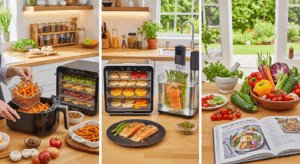
Incorporating innovative cooking appliances like air fryers or convection ovens allows for baking vegetables with less oil, maintaining texture and color while enhancing the interior moisture. These methods balance the tastes and preserve the nutrients,making each bite an expression of wellness.For further insights on nutrient-preserving cooking appliances, visit EatRight.org.
To deepen your creative confidence in the kitchen, explore our guide to harnessing herbs and spices effectively, which complements this wholesome recipe by unlocking powerful flavor profiles and health benefits.
Q&A
savor wellness: Creative Paths to Healthy Cooking Methods
Q&A
Q1: What does “healthy cooking” really mean beyond just low calories?
A1: Healthy cooking is an art of nourishing both body and soul. It’s about choosing methods that preserve nutrients, enhance natural flavors, and reduce unhealthy additives. Think of it as a way to honor your ingredients-using techniques that promote vitality rather than just restriction.
Q2: Which cooking methods best preserve nutrients in vegetables?
A2: Steaming and blanching are champions for veggie vitality, as they minimize nutrient loss by using gentle heat and short cooking times. Roasting with a splash of olive oil unlocks deep, caramelized flavors while retaining vitamins, creating a delicious partnership between health and taste.
Q3: How can I make reheating leftovers healthier and tastier?
A3: Avoid microwave overuse, which can dry out or degrade foods. Rather, try reheating in a covered skillet on low heat with a few drops of water or broth to keep moisture alive, or use an oven with foil to preserve texture. adding fresh herbs afterward breathes new life into your meal.
Q4: What creative alternatives exist to frying that still satisfy cravings for crispiness?
A4: Oven-baking coated foods with a light spray of oil, air-frying, or pan-toasting in minimal fat can create that beloved crispy crunch. Using whole-grain or nut-based coatings adds texture and boosts nutritional value, turning comfort food into a guilt-free pleasure.Q5: How can I infuse flavor without relying on heavy sauces or salt?
A5: Embrace the magic of herbs, citrus zest, and spices. Techniques like marinating with acid (lemon, vinegar alternatives) or using aromatic steam (think ginger and lemongrass) deepen flavor layers organically. Toasting spices before adding them awakens their essential oils, creating vibrant, nuanced tastes.
Q6: Is it better to cook food quickly or slowly to retain health benefits?
A6: It depends on the ingredient. Swift cooking like stir-frying locks in color and crunch,preserving heat-sensitive nutrients. Slow cooking in a controlled surroundings, like sous-vide or slow roasting, tenderizes tough cuts while keeping juices intact, enhancing digestibility and flavor. The key is mindful timing rather than a one-size-fits-all approach.
Q7: Can plant-based proteins be as enjoyable as animal-based ones, and how should they be cooked?
A7: Absolutely! Legumes, tofu, tempeh, and seitan are culinary canvases that take on flavors beautifully. For tofu and tempeh, pressing out excess moisture then marinating before pan-searing or baking creates a delightful texture and rich taste. Beans and lentils shine when gently simmered or added to vibrant stews, proving plant power is both healthy and satisfying.
Q8: What role does minimalism play in healthy cooking?
A8: Minimalism is about letting ingredients speak for themselves-fewer but better,simpler but smarter. This means avoiding overcomplicated recipes and excessive processing, which helps you enjoy the natural quality and freshness of foods. The result? Meals that feel lighter on your body and richer in essence.
Q9: How can I use kitchen tools creatively to enhance healthy cooking?
A9: Think beyond the stove: a spiralizer transforms vegetables into fun noodles; a pressure cooker accelerates tenderizing without nutrient loss; a mortar and pestle unleashes deeper spice flavors. These tools expand your repertoire and invite playful exploration in the quest for wholesome meals.
Q10: What’s a quick tip for turning everyday cooking into a mindful, wellness-focused practice?
A10: Slow down and connect with your ingredients-notice colors, textures, and aromas as you prepare them. This mindful approach encourages healthier choices, reduces stress, and transforms cooking from a chore into a joyful ritual of self-care and creativity.
Insights and Conclusions
As we conclude our journey through the vibrant world of healthy cooking, remember that wellness isn’t a destination-it’s a delicious adventure waiting to unfold in your own kitchen. By embracing creative methods that honor both flavor and nutrition, you transform everyday meals into nourishing celebrations of life.whether it’s steaming, roasting, or infusing your dishes with fresh herbs and innovative twists, each step forward is an invitation to savor wellness in its most delightful form. So go ahead,experiment boldly,cook thoughtfully,and let your culinary creativity be the key that unlocks a healthier,happier you. After all, the path to wellness is best traveled with a fork in hand and passion in your heart.