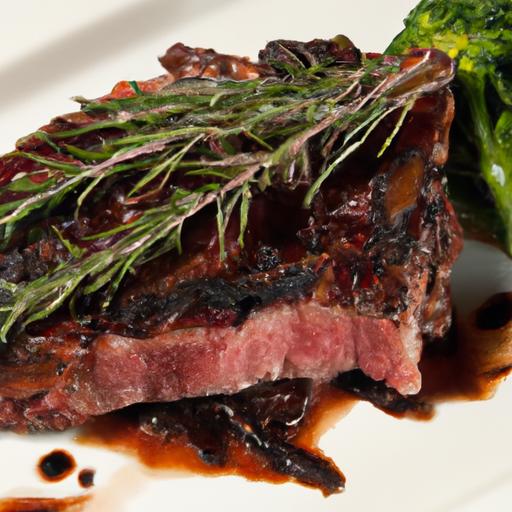

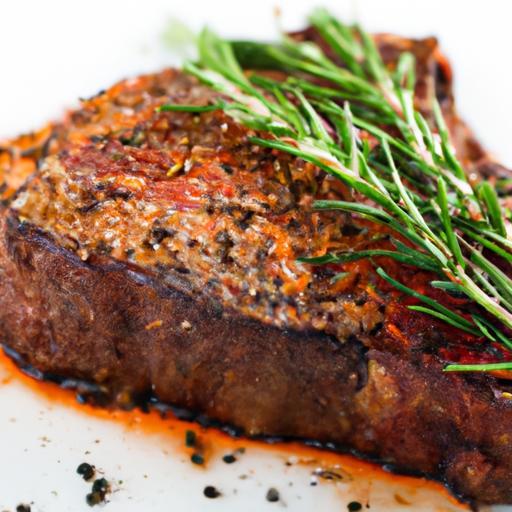
There’s something undeniably enchanting about a perfectly cooked steak – its juicy interior, a crust kissed by fire, and flavors that tell a story of patience and precision. Yet, achieving that flawless balance between tender, medium-rare center and caramelized exterior can be elusive. enter the reverse sear: a culinary technique that’s transforming kitchens and steak nights worldwide. By flipping tradition on its head, this method invites you to master your meat with confidence, ensuring a steak that’s evenly cooked and bursting with flavor every single time. In this article, we’ll unravel the art and science behind the reverse sear, guiding you step-by-step to steak perfection that will impress both your taste buds and your guests.
Mastering the Reverse Sear technique transforms your steak experience,marrying the precision of low-and-slow cooking with the exhilarating crunch of a seared crust. This approach,revered among chefs and home cooks alike,unlocks unparalleled flavor and texture by gently bringing your steak to the ideal interior temperature before crisping the exterior to perfection.
Understanding why this method works begins with the science of heat transfer and protein transformation. Slow roasting in the oven or on a low grill ensures the inside cooks evenly, preventing those dreaded gray bands of overcooked meat near the edges. Then, by finishing with a hot sear, you ignite the Maillard reaction-a chemical process that caramelizes the steak’s natural sugars and amino acids-resulting in a deeply flavored, golden-brown crust that’s crispy yet tender.
Prep and Cook Time
- Preparation: 10 minutes
- Cooking (oven + sear): 30-40 minutes
- Total Time: 40-50 minutes
Yield
Serves 2 hearty portions
Difficulty Level
Medium – perfect for confident home cooks eager to experiment with technique
Ingredients
- 2 thick-cut ribeye steaks (1.5 to 2 inches thick, about 12 oz each)
- 1 tbsp kosher salt
- 1 tsp freshly ground black pepper
- 2 tbsp high-smoke point oil (e.g., avocado or grapeseed oil)
- 2 tbsp unsalted butter
- 3 fresh thyme sprigs
- 3 garlic cloves, lightly crushed
Instructions
- Season your steak liberally. Pat the steaks dry with paper towels. Evenly coat both sides with kosher salt and freshly cracked black pepper. for best results, season at least 30 minutes before cooking to let the salt penetrate, or refrigerate uncovered overnight for deeper flavor.
- Preheat your oven. Set your oven to 275°F (135°C). Insert a wire rack on a baking sheet to promote even airflow around the steaks for uniform cooking.
- Slow-cook the steak. Place the steaks on the wire rack and insert an instant-read thermometer into the thickest part of one steak. Roast the steak in the oven until it reaches an internal temperature of 115°F for medium-rare, about 20-30 minutes. This step is crucial for mastering temperature control and ensuring an even cook.
- Rest while you prepare the sear. Remove steaks from the oven and let them rest for 5-10 minutes. meanwhile, heat a heavy skillet (preferably cast iron) over high heat until smoking hot.
- Create the perfect sear. Add the oil to the pan, swirling to coat. Place steaks carefully into the pan.Sear each side for 1.5-2 minutes without moving to build a deep, crispy crust. Add butter, thyme, and garlic to the pan; tilt the pan and continuously spoon the melted butter over the steaks to infuse flavor.
- Final internal temperature check. Use the thermometer to ensure steaks now reach 130-135°F for a perfect medium-rare. Adjust searing time as needed for your desired doneness.
- Rest and serve. Transfer steaks to a cutting board, tent loosely with foil, and rest 5 minutes to allow juices to redistribute before slicing against the grain.
Tips for Success
- Choosing cuts: Opt for thick steaks like ribeye, strip loin, or filet mignon-cuts with good marbling enhance juiciness and flavor in reverse searing.
- Temperature control: Equip yourself with a reliable instant-read thermometer. This tool is non-negotiable for achieving even doneness.
- Patience pays off: Resist the urge to rush the oven phase. Low-and-slow cooking is the secret for eliminating unevenly cooked layers.
- Searing essentials: Use a high smoke point oil and preheat your pan thoroughly to avoid steaming the steak instead of searing it.
- Make-ahead: Season the steak a day in advance and keep it uncovered in the fridge for a subtle dry-brining affect that enhances crust formation.
- Variations: For herbaceous notes, substitute thyme with rosemary or add a dash of smoked paprika to your seasoning blend.
Serving Suggestions
present your steak on a warm plate garnished with a fresh sprig of thyme or rosemary. Complement the rich flavors with roasted garlic mashed potatoes, sautéed green beans, or a crisp arugula salad tossed in lemon vinaigrette. For added decadence, drizzle with a homemade garlic butter or sprinkle flaky sea salt over the crust just before serving to heighten texture and taste.

| Nutrient | Per Serving (1 steak) |
|---|---|
| Calories | 650 kcal |
| Protein | 56 g |
| Carbohydrates | 0 g |
| Fat | 48 g |
For an expert walkthrough on steak cuts and flavors complementing the reverse sear technique,explore our Ultimate Guide to Steak Cuts. To deepen your understanding of the Maillard reaction and its impact on flavor, the Serious Eats article offers fascinating insight.
Q&A
Q&A: Mastering the Reverse Sear - Perfect Steak Every Time
Q1: What exactly is the reverse sear method?
A1: The reverse sear is a two-step cooking technique that involves slowly bringing your steak up to temperature at a low heat, then finishing it with a quick, intense sear to develop a rich, caramelized crust. This approach reverses the traditional sequence, where steaks are seared first and then finished in the oven.
Q2: Why choose reverse sear over the traditional searing method?
A2: Reverse searing provides greater control over doneness, ensuring your steak cooks evenly from edge to center with minimal grey banding. It also yields a tender, juicy interior while achieving that coveted crust without overcooking.
Q3: Which cuts of steak benefit most from the reverse sear technique?
A3: thick, high-quality cuts like ribeye, striploin, filet mignon, and porterhouse respond beautifully to reverse searing. Their generous thickness allows for gradual heat penetration, maximizing flavor and texture.
Q4: How do I prepare my steak before starting the reverse sear?
A4: Begin by seasoning your steak generously with salt and freshly ground black pepper. Let it sit at room temperature for about 30 to 60 minutes. This resting period helps the meat cook more evenly and enhances flavor absorption.
Q5: What’s the best temperature and method to cook the steak slowly before searing?
A5: Preheat your oven or grill indirect zone to around 225°F (107°C). Place the steak on a wire rack over a baking sheet, allowing air circulation for even cooking. Cook gently until the internal temperature reaches about 10-15°F below your desired final doneness.
Q6: How do I know when my steak is ready for the sear?
A6: Use a reliable meat thermometer to track the internal temperature. For a perfect medium-rare, remove the steak from the low heat once it hits approximately 115-120°F (46-49°C). The sear will bring it to the ideal finish.
Q7: What’s the secret to achieving a perfect crust during the sear?
A7: A blazing hot cast-iron skillet or grill is key. Add a touch of high smoke point oil (like avocado or grapeseed oil) and lay the steak down without moving it for 1-2 minutes per side. For extra flavor, baste with butter and aromatics like garlic and fresh herbs as it sears.
Q8: Can I reverse sear steak on a grill rather of an oven?
A8: Absolutely! Set up a two-zone fire: low heat for the slow cook and high heat for the sear. This setup mimics oven and skillet conditions outdoors and yields equally impressive results.
Q9: How critically important is resting the steak after the reverse sear?
A9: Resting is crucial. Let the steak rest for at least 5-10 minutes after searing.It allows juices to redistribute within the meat, ensuring every bite is juicy and flavorful.
Q10: Are there any common mistakes to avoid when reverse searing?
A10: yes! Avoid skipping the low-and-slow step, as it leads to uneven cooking. Also, don’t overcrowd the pan during the sear; give each steak space to form that perfect crust. lastly, don’t forget to preheat your skillet fully-patience pays off in a golden, flavorful crust.
Q11: Can I season my steak beyond salt and pepper for reverse searing?
A11: Certainly! while salt and pepper create a classic foundation, dry rubs with smoked paprika, garlic powder, or fresh herbs can add depth. Just apply thes before the slow cook to allow flavors to meld.
Q12: How thick should my steak be for the reverse sear method to work best?
A12: Aim for steaks at least 1.5 inches thick. Thicker cuts benefit most as the gradual, gentle cooking ensures even doneness without sacrificing that crusty finish.
with the reverse sear mastered, every steak dinner transforms into a gourmet experience right at home-a sizzling balance of tender juiciness and breathtaking crust. Ready to ignite your passion for perfect steak? Grab your thermometer, fire up that skillet, and savor the flavor journey!
Final Thoughts
With the reverse sear mastered, you’re no longer at the mercy of chance-each steak emerges as a symphony of perfect crust and tender, juicy interior. This method transforms grilling from a gamble into a reliable craft, where patience and control reward you with consistently sublime results. So fire up your oven and heat your skillet with confidence, knowing that every cut you cook will embody the very essence of steak perfection. In the art of the reverse sear, the ultimate steak isn’t just a meal-its an experience you create, again and again.