

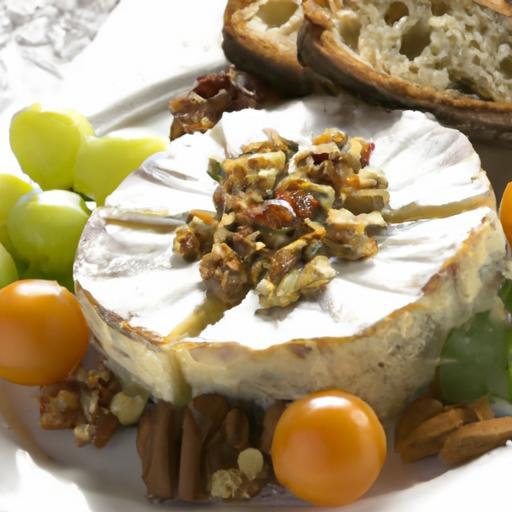
Soft, luscious, and irresistibly creamy-brie cheese has long held a treasured spot on cheese boards around the world. But this beloved French delicacy is just the beginning of a rich, velvety universe waiting to be explored. From the subtle bloom of its white rind to the complex flavors that unfold as it ripens, brie invites food lovers to savor every silky bite. In this article,we journey beyond the basics to uncover the nuances of creamy cheeses,delve into thier engaging origins,and discover the perfect pairings-from fragrant wines to crunchy nuts-that elevate these indulgent delights. Whether you’re a seasoned cheese connoisseur or a curious newcomer, prepare to awaken your palate and deepen your recognition for creamy cheeses that go far beyond brie.
Brie cheese is a sumptuous indulgence that has captivated taste buds for centuries. Its velvety rind envelops a luxuriously creamy interior, creating a texture that melts like silk on the palate. Originating from the Île-de-France region,this soft cheese’s unique crafting method is both an art and a science,balancing delicate aging with microbial mastery to achieve its signature bloom.Whether enjoyed on its own, paired thoughtfully, or woven into delightful dishes, Brie cheese offers a world of flavor that’s both approachable and elegant.
Prep and Cook Time
Prep Time: 15 minutes
Cook Time: 20 minutes
Yield
Serves 6 generously
Difficulty Level
Medium
Ingredients
- 1 whole wheel of Brie cheese (8 oz, at room temperature)
- 2 tablespoons honey (preferably lavender or wildflower)
- 1/3 cup toasted walnuts, roughly chopped
- 1 small bunch fresh rosemary, finely chopped
- 1/2 teaspoon freshly ground black pepper
- Fresh figs or sliced apples, for garnish
- 1 baguette or artisan crackers, sliced and toasted
Instructions
- Prepare the Brie wheel: Using a sharp knife, carefully score the top rind of the Brie cheese in a shallow crosshatch pattern. This allows the toppings to meld beautifully into the creamy cheese during baking.
- Mix the topping: in a small bowl, combine honey, toasted walnuts, finely chopped rosemary, and black pepper.Stir gently to marry the flavors without crushing the nuts.
- Top the Brie: Place the Brie on a parchment-lined baking dish. Spoon the honey-nut mixture evenly over the top, ensuring the honey seeps into the scores for an aromatic infusion.
- Bake: Preheat your oven to 350°F (175°C). Bake the Brie for 15-20 minutes or until the cheese is soft and just beginning to ooze but not completely melted. Keep a close eye to avoid over-softening.
- Prepare accompaniments: While the brie bakes, slice the baguette and toast the slices until golden and crisp. Prepare fresh figs or apple slices for a contrasting, juicy sweetness.
- Serve immediately: Transfer the baked Brie to a rustic wooden board. Garnish with additional rosemary sprigs and arrange toasted bread and fresh fruit around it for an inviting presentation.
Tips for Success
- Choose a Brie cheese that is soft yet firm,not overly aged,to ensure creamy texture without excessive runniness.
- To toast walnuts evenly,spread them on a baking sheet and roast at 350°F for 5-7 minutes,stirring halfway to prevent burning.
- For a different twist, swap walnuts for pecans or toasted almonds, or add a pinch of crushed red pepper flakes to the topping for subtle heat.
- This dish can be prepped ahead by assembling the toppings on Brie; simply cover and refrigerate,then bake just before serving.
- To ensure easy cutting of the Brie, use a cheese wire or a very sharp knife wiped clean between cuts.
Serving Suggestions
Present this heavenly baked Brie as the centerpiece of a casual gathering or intimate meal. The warm, gooey cheese contrasts exquisitely with the crunchy toasted baguette slices and bursts of sweetness from fresh figs or apple slices. For an added layer of elegance, embellish the platter with edible flowers or fresh herbs such as thyme and rosemary. Serve alongside your favorite nut breads and a crisp sparkling cider or artisanal non-alcoholic grape juice for a refined pairing. This dish shines as an appetizer, perfect for sharing and conversation.

| Nutrient | Per Serving |
|---|---|
| Calories | 280 kcal |
| Protein | 11 g |
| Carbohydrates | 14 g |
| Fat | 21 g |
Exploring Flavor Profiles with Brie Cheese
Brie cheese’s richness lends itself to a broad spectrum of flavors – from the aromatic earthiness of fresh herbs like rosemary to the deep sweetness of wildflower honey. The toasted walnuts introduce a smoky crunch that balances Brie cheese’s smoothness, while fresh fruit slices bring refreshing acidity and juiciness that cut through the richness. This symphony of textures and flavors showcases why Brie cheese has remained a star ingredient in kitchens worldwide.
To learn more about optimizing creamy cheese pairings, visit the Complete Creamy Cheese Pairings Guide on our site. For further data on Brie cheese history and technical details, check out the Cheese Science Foundation.
Q&A
Q&A: Brie Cheese and Beyond: Exploring Creamy Delights and Pairings
Q1: What makes Brie cheese so uniquely creamy and tasty?
A1: Brie cheese owes its luscious creaminess to its soft, bloomy rind and buttery interior. Made from cow’s milk, its delicate mold rind forms during the aging process, breaking down fats and proteins to create that signature melt-in-your-mouth texture. The gentle ripening also imparts subtle earthy and nutty flavors, making Brie an irresistible creamy delight.
Q2: How can I tell a high-quality Brie from a standard one?
A2: High-quality Brie will have a fine, velvety rind without too many cracks or discolorations. Its paste-the soft inner cheese-should be pale ivory and uniformly smooth, without lumps or overly runny spots. The aroma should be mild and inviting, reminiscent of fresh cream and subtle mushroom notes rather than anything sharp or sour.
Q3: Beyond the classic Brie,what other creamy cheeses should I explore?
A3: There’s a whole world of creamy cheeses waiting to be discovered! Try Camembert,a close cousin with a richer,earthier profile. Double and triple creams like Saint-André or Explorateur offer extra buttery indulgence. For a tangy twist, Delice de Bourgogne combines creaminess with a hint of lactic acidity. Each brings its own texture and flavor nuance to the creamy cheese spectrum.
Q4: What are some creative yet approachable ways to enjoy brie at home?
A4: Brie shines on its own, but you can elevate it with simple touches. Spread it on crusty bread and top with a drizzle of honey or a scattering of toasted nuts for sweet-salty bliss. Bake Brie wrapped in puff pastry with herbs for a warm, gooey appetizer. or layer it in a sandwich with fresh figs and arugula for a sophisticated crunch and cream combo.
Q5: Are there vegetarian-kind pairings that complement the richness of Brie?
A5: Absolutely! Brie pairs beautifully with seasonal fruits like crisp apples, juicy pears, and tangy berries. Fresh herbs such as thyme or basil add aromatic brightness. Toasted nuts-almonds, walnuts, or pistachios-introduce a welcome crunch.For a savory contrast, roasted vegetables like caramelized onions or sweet bell peppers create a harmonious balance.
Q6: How can I store Brie to maintain its freshness and creamy texture?
A6: To keep Brie at its best, wrap it loosely in wax or parchment paper rather than plastic, allowing it to breathe and preventing excess moisture buildup. Store it in the vegetable drawer or a dedicated cheese container in your refrigerator at around 40°F (4°C). take it out about 30 minutes before serving to reach that perfect creamy softness.
Q7: Can Brie be used in cooking without losing its creamy characteristics?
A7: Yes! Brie’s gentle meltability makes it perfect for enriching dishes like creamy pasta sauces,risottos,or gratins. It melts smoothly without becoming oily or grainy. Just be mindful of heating it slowly and gently to preserve its delicate flavor and luscious texture.
Q8: Are there non-cheese accompaniments that surprisingly pair well with Brie?
A8: Indeed. Think curious yet complementary: a dollop of fig jam, a sprinkle of flaky sea salt, or a luminous brush of citrus marmalade can enhance Brie’s richness.Crisp pickled vegetables provide a refreshing contrast, while a spread of tangy mustard or chutney can add an exciting depth of flavor.
Q9: What cultural or historical notes make Brie cheese special?
A9: Originating from the Brie region of France, this cheese has been beloved for centuries, earning the title “The Queen of Cheeses.” It was famously a favorite of royalty, including Charlemagne. The tradition of Brie-making respects artisan methods, celebrating heritage and terroir, which adds to the cheese’s storied allure and artisanal charm.
Q10: How can I experiment with Brie in plant-based culinary creations?
A10: Embrace Brie’s creamy essence by combining it with plant-based ingredients that mimic textural richness. Pair Brie slices with roasted mushrooms and grilled eggplant for a savory vegan bite, or layer it with avocado and sun-dried tomatoes for a creamy, vibrant toast. You can also add herbs and nuts around Brie for a plant-forward platter that highlights earthy flavors and indulgent textures.
Closing Remarks
As you journey beyond the familiar folds of Brie’s velvety rind, a world of creamy delights awaits-each cheese telling its own story through texture, flavor, and history. From the tangy whispers of camembert to the bold embrace of triple-cream wonders, these soft masterpieces invite endless exploration and joyous pairings. Whether draped over crusty bread, melted into decadent dishes, or harmonized with fruits and wines, the realm of creamy cheeses offers abundant pleasures for the curious palate. So next time you seek a luscious indulgence, let Brie’s gentle allure be just the beginning of your creamy adventure. Your taste buds will thank you.