
Imagine a vegetable that transforms with just a fork, turning into delicate ribbons of pasta-like strands ready to soak up yoru favorite sauces. Welcome to the world of spaghetti squash-a culinary chameleon that’s as versatile as it is indeed nutritious. In this ultimate guide, we’ll unlock the secrets to cooking spaghetti squash perfectly every time, revealing tips, tricks, and inspired recipes that will elevate this humble gourd from a curious curiosity to a starring ingredient in your kitchen. Whether you’re seeking a low-carb choice or simply eager to explore new textures and flavors, prepare to discover how spaghetti squash can reinvent your meals and delight your taste buds.
Unlocking flavour in spaghetti squash begins with understanding how to select the best one at the market-a crucial first step that sets the stage for vibrant, satisfying dishes.This versatile winter squash boasts a naturally sweet, mild taste and a unique noodle-like texture that, when roasted and prepared perfectly, transforms any meal into a wholesome celebration of flavor and texture.
Prep and Cook Time
- Preparation: 10 minutes
- Roasting: 40-50 minutes
- Total Time: 50-60 minutes
Yield
serves 4 as a main or side dish
difficulty Level
Easy to Medium – perfect for home cooks eager to experiment with healthy, vibrant vegetables.
Ingredients
- 1 medium spaghetti squash (about 3 to 4 pounds), firm with a radiant yellow shell
- 2 tablespoons olive oil, extra virgin
- 1 teaspoon sea salt
- ½ teaspoon freshly ground black pepper
- 2 garlic cloves, minced
- 1/4 cup fresh basil leaves, chopped (optional)
- 1 cup cherry tomatoes, halved
- 1 tablespoon nutritional yeast or Parmesan cheese alternative (optional)
instructions
- Choose a quality squash: Look for spaghetti squash with a firm, brightly colored shell free of soft spots or bruises.A heavier squash signals juiciness and freshness.
- Preheat your oven to 400°F (205°C). Line a baking sheet with parchment paper for easy cleanup.
- Prepare the squash: Using a sharp chef’s knife, carefully cut the squash in half lengthwise.Scoop out the seeds and strings with a spoon.
- Season: Brush the flesh with olive oil and sprinkle the sea salt and black pepper evenly over each half.
- Roast: Place the halves cut-side down on the baking sheet. Roast for 40 to 50 minutes until the flesh is tender and easily pierced with a fork.
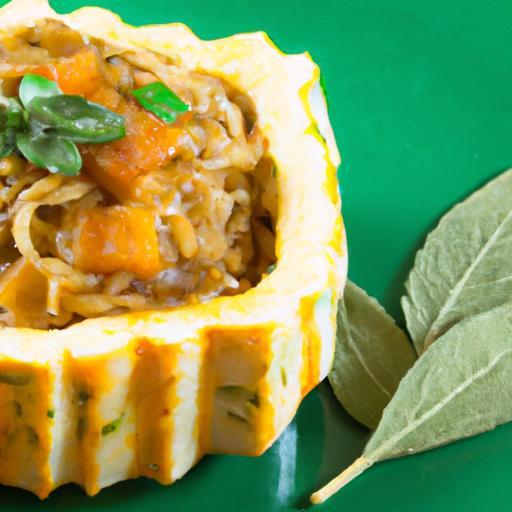
- Shred the squash: Remove the squash from the oven, let cool 5 minutes. Using a fork, gently scrape the flesh lengthwise; it will naturally separate into spaghetti-like strands.
- Transform the strands: In a large skillet, heat a drizzle of olive oil over medium heat. Add the minced garlic and sauté until fragrant, about 1 minute.
- Add spaghetti squash strands: Toss the strands with cherry tomatoes and cook for 3-4 minutes, stirring gently to warm through while allowing tomatoes to soften.
- Finish with fresh basil and nutritional yeast: Stir in chopped basil for brightness and sprinkle with nutritional yeast for a subtly cheesy flavor without dairy.
- Serve immediately: Garnish with extra basil leaves or toasted pine nuts for crunch.
Tips for Success
- For easy cutting, microwave the whole squash for 2 minutes before slicing; this softens the skin slightly.
- Don’t rush the roasting – well-roasted squash yields the best texture and naturally sweet flavor.
- If you prefer richer sauces, experiment with blending roasted pumpkin seeds or cashews for creamy, dairy-free dressings.
- Leftovers store beautifully in an airtight container in the fridge up to 4 days.
Serving Suggestions
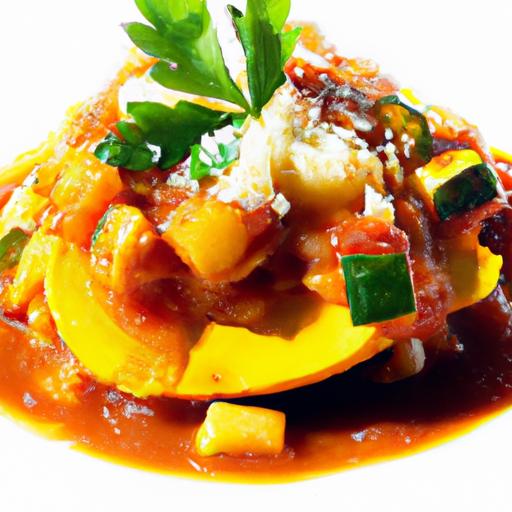
Serve this flavorful spaghetti squash as a gluten-free alternative to pasta, paired with vibrant tomato basil sauce or a smoky roasted red pepper sauce. Garnish with fresh herbs like parsley or oregano and a sprinkle of toasted seeds or nuts for added depth. It also shines tossed with sautéed mushrooms and kale for a nutrient-packed bowl or as a colorful side alongside grilled chicken or tofu. Picture a warm, golden bed of delicate strands, glowing with roasted cherry tomatoes and fresh basil-a feast for eye and palate alike.

| Nutrient | Per Serving |
|---|---|
| Calories | 120 kcal |
| protein | 3 g |
| Carbohydrates | 27 g |
| Fat | 4 g |
For more inspiration on vegetable-forward dishes, check out our in-depth guide to vegetable roasting techniques.To deepen your understanding of squash nutrition, visit The Nutrition Society.
Q&A
Q&A: Unlocking Flavor: The Ultimate Guide to Cooking Spaghetti Squash
Q1: What makes spaghetti squash such a unique vegetable to cook with?
A1: Spaghetti squash is a marvel of nature-when cooked,its flesh transforms into tender,noodle-like strands that mimic traditional pasta. This unique texture provides a low-carb, gluten-free alternative, making it a versatile canvas for countless flavorful dishes.
Q2: How do I choose the perfect spaghetti squash at the market?
A2: Look for a squash that feels heavy for its size with a firm, bright yellow skin free of soft spots or blemishes. The stem should be dry and intact, signaling freshness and longer shelf life. A well-chosen squash promises sweeter, more vibrant strands.
Q3: What’s the simplest way to cook spaghetti squash and retain its flavor?
A3: roasting is a top method to unlock natural sweetness and deepen flavor. Simply halve the squash, scoop out the seeds, drizzle with olive oil, season with salt and pepper, and place cut-side down on a baking sheet.Roast at 400°F (200°C) for 40-45 minutes until tender. The caramelization is the secret to rich,golden strands.
Q4: Can I cook spaghetti squash without an oven?
A4: Absolutely! Steaming or microwaving are excellent alternatives. Pierce the squash several times and microwave whole for 10-12 minutes, or cut it in half and steam for 20-25 minutes until fork-tender. Both methods preserve moisture and produce tender strands, perfect for a fast meal.
Q5: how do I easily separate the strands once my squash is cooked?
A5: Use a fork to gently rake through the flesh-start at the edges and work inward. The flesh naturally separates into spaghetti-like strands with minimal effort, ready to soak up whatever sauce or seasoning you choose.
Q6: What kind of flavors pair best with spaghetti squash?
A6: Spaghetti squash thrives with bright, fresh, and savory notes. Think garlic, fresh herbs like basil or thyme, zesty lemon, and warm spices such as smoked paprika or cumin. Combining these flavors with olive oil, toasted nuts, or tangy cheeses creates layers of delicious complexity.
Q7: Is spaghetti squash suitable for hearty meals?
A7: Definitely! While light and fresh, spaghetti squash also holds its own in robust dishes. Try it in vegetable-packed stir-fries, rich tomato sauces bursting with mushrooms and olives, or even layered in a vibrant ratatouille. it’s a satisfying base that marries beautifully with bold flavors.
Q8: How can I store leftover cooked spaghetti squash?
A8: After cooling, transfer the strands to an airtight container and refrigerate for up to 4 days. You can reheat gently on the stovetop or microwave. For longer storage, freeze cooked squash in portioned bags; thaw overnight in the fridge before reheating.
Q9: What tips do chefs swear by to maximize the texture of cooked spaghetti squash?
A9: Avoid overcooking-soft but slightly firm strands provide the best mouthfeel.Also, seasoning during cooking enhances flavor deep in the flesh. toss the strands gently after cooking to keep them fluffy and prevent mushiness.
Q10: Can spaghetti squash be enjoyed raw?
A10: While it’s typically cooked,thinly shaved raw spaghetti squash adds a delightful crunch to salads.Combine it with tangy vinaigrettes, crunchy veggies, and fresh herbs for a refreshing, nutritious bite that’s both texturally intriguing and pleasingly light.
Final Thoughts
As you close the lid on your spaghetti squash adventures, remember that this vibrant vegetable is more than just a low-carb alternative-it’s a canvas for creativity, a vessel for vibrant flavors waiting to be unlocked. With each forkful’s delicate strands, you’re not only nourishing your body but also inviting a world of possibilities into your kitchen. Whether roasted, steamed, or sautéed, spaghetti squash transforms humble meals into culinary stories worth sharing. So next time you face that golden orb at the market, don’t just see squash-see the gateway to a deliciously versatile journey. Happy cooking, and may your kitchen always be fragrant with the promise of bold, unforgettable flavors!