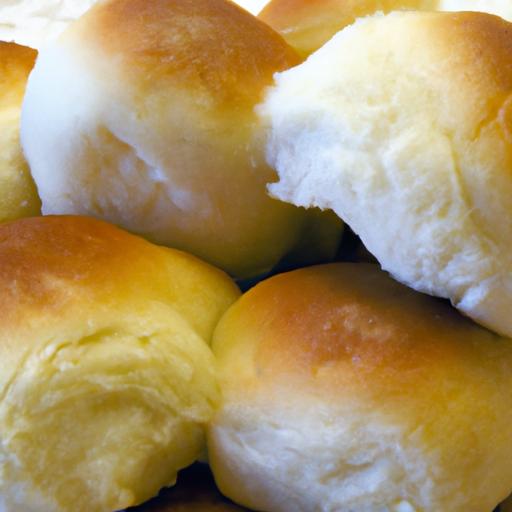

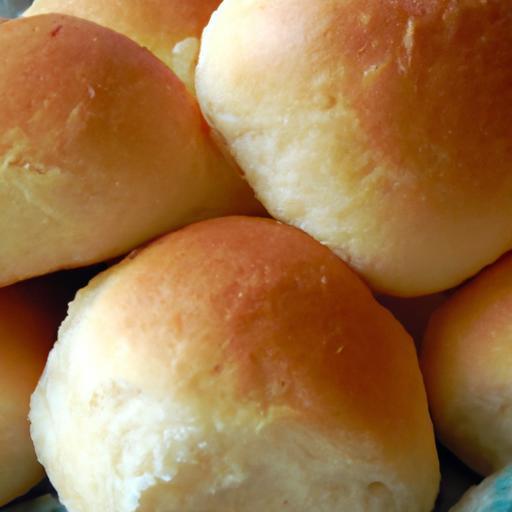
There’s something undeniably comforting about the scent of freshly baked dinner rolls wafting through the kitchen-warm, pillowy clouds of goodness that invite you to slow down and savor the moment. Fluffy homemade dinner rolls aren’t just a side dish; they’re an experience, a soft, golden embrace for butter, jam, or any filling you crave. In this article,we’ll explore the secrets behind crafting these irresistibly tender rolls from scratch,revealing simple techniques that transform basic ingredients into a batch of soft,warm delights sure to become the centerpiece of your next meal. Whether you’re a seasoned baker or a curious beginner, get ready to bring that bakery-fresh magic into your home with ease.
Fluffy homemade dinner rolls are the ultimate comfort food, effortlessly combining a tender, airy crumb with a warm, golden crust that invites you to tear off a piece and savor the soft, buttery interior. Rooted in customary baking techniques yet surprisingly simple to master, these rolls are perfect for every occasion-from holiday feasts to weeknight family dinners. What makes them truly irresistible lies in the thoughtful balance of secret ingredients, precise dough handling, and baking finesse that transform basic pantry staples into a bakery-worthy delight.
Prep and Cook Time
- Preparation: 20 minutes
- Frist rise: 1 hour 15 minutes
- Shaping and Second Rise: 40 minutes
- Baking: 18-22 minutes
- Total time: Approximately 3 hours
Yield
12 soft, fluffy dinner rolls
Difficulty Level
Medium – Ideal for home bakers ready to elevate their bread-making skills
Ingredients
- 3 ½ cups all-purpose flour, sifted
- 1 cup whole milk, warmed (about 110°F)
- ⅓ cup unsalted butter, melted plus extra for brushing
- ¼ cup granulated sugar
- 2 ¼ tsp active dry yeast (1 packet)
- 1 tsp fine sea salt
- 1 large egg, room temperature
- Optional: 1 tbsp honey for a subtle sweetness boost
Instructions
- Activate the yeast: Combine the warm milk, sugar, and yeast in a large mixing bowl. Stir gently and let it sit for 5-8 minutes until the mixture becomes frothy, signaling the yeast is alive and ready.
- Mix the dough: Add melted butter, egg, and salt to the yeast mixture. Gradually add flour, one cup at a time, stirring with a wooden spoon until a shaggy dough forms.
- Knead with confidence: Transfer dough onto a lightly floured surface. Knead vigorously for 8-10 minutes until the dough becomes smooth and elastic.Tip: Use the heel of your palm and fold the dough over itself, turning frequently to encourage gluten development for perfect fluffiness.
- First rise: Lightly oil a large bowl. Place the dough inside and cover with a clean kitchen towel or plastic wrap. Allow it to rise in a warm, draft-free spot for about 1 to 1.25 hours or until it doubles in size.
- Shape the rolls: Gently deflate the dough and divide it into 12 equal portions. Shape each piece into a smooth ball by tucking edges underneath and rolling on a clean surface.
- Second rise: Arrange rolls evenly on a parchment-lined baking sheet, leaving 1 to 1.5 inches between them to allow expansion. Cover loosely and let rise for 35-40 minutes until puffy.
- Bake to golden perfection: Preheat your oven to 375°F (190°C). Brush tops of rolls with melted butter to encourage browning and softness. Bake for 18-22 minutes or until the crust turns a visually appealing golden brown and rolls sound hollow when tapped.
- Final touch: Remove rolls from oven and instantly brush with more melted butter for a glossy, tender crust that beckons you to dig in.
Chef’s Notes: Tips for Success with Fluffy Homemade dinner Rolls
- Ingredient temperature matters: Use warm (not hot) milk and eggs at room temperature to encourage yeast activation and even mixing.
- Do not skip kneading: Developing gluten is the secret behind soft, airy dough. Knead enough to achieve elasticity but avoid overworking,which can make rolls tough.
- Control rising conditions: Let your dough rise in a warm, draft-free spot. An oven with just the light on or a slightly warmed microwave makes an excellent rising chamber.
- try bread flour for an even chewier, fluffier texture. Substitute half or all-purpose flour as per your preference.
- Make-ahead tip: After shaping, freeze rolls on the baking sheet. When ready, thaw, let rise, then bake as usual for fresh, next-day rolls.
Serving Suggestions to Elevate Fluffy Homemade Dinner Rolls
Serve these rolls straight from the oven with a generous spread of whipped herb butter infused with fresh rosemary or garlic. They pair beautifully with silky soups or hearty salads, transforming any meal into a special occasion.
For an elegant presentation, arrange the rolls in a rustic basket lined with a linen cloth and sprinkle fresh chopped parsley over the top for color and aroma. They also make an amazing base for sliders or mini sandwiches when sliced horizontally.
Drizzle a little honey butter glossed with a pinch of sea salt for a delightful sweet-savory bite that’s hard to resist.

| Nutrient | Per Roll (Approx.) |
|---|---|
| Calories | 150 |
| Protein | 4g |
| Carbohydrates | 22g |
| Fat | 5g |
For more inspiration on homemade breads, check out our Easy Homemade Bread Recipes post. to learn more about the science of yeast and dough, visit King Arthur Baking’s yeast guide.
Q&A
Fluffy Homemade Dinner Rolls: soft, Warm, and Irresistible – Q&A
Q1: What makes homemade dinner rolls fluffier than store-bought ones?
A1: The secret to fluffy dinner rolls lies in the perfect balance of yeast, flour, moisture, and kneading. Homemade rolls benefit from fresh yeast activation and proper proofing times, which create those delicate air pockets inside. Unlike mass-produced rolls, homemade versions aren’t packed with preservatives or dough conditioners-just simple ingredients and a loving touch.Q2: Can I make these rolls ahead of time and still enjoy them fresh?
A2: Absolutely! You can prepare the dough the night before and let it rise slowly in the fridge, which can actually enhance the flavour. When you’re ready, simply shape, proof, and bake. Alternatively, you can bake the rolls fully, then reheat them wrapped in foil in a warm oven or steamer just before serving to restore their softness and warmth.
Q3: what’s the best flour to use for super soft rolls?
A3: Bread flour is a star player because it contains higher protein content, which lends structure and chewiness without sacrificing softness. That said, all-purpose flour can also work beautifully if you’re aiming for a tender crumb. For an extra delicate texture, some bakers blend bread flour with a small portion of cake flour.
Q4: how vital is kneading in making fluffy dinner rolls?
A4: kneading is a vital step! It develops gluten, the stretchy network that traps gases from yeast fermentation. This gives the rolls their rise and chewiness. That said, you don’t have to become a dough expert overnight-kneading by hand for 8-10 minutes or using a stand mixer can do the trick. The dough should feel smooth and slightly tacky but not sticky.Q5: What’s the ideal proofing environment for the dough?
A5: Yeast loves warmth and humidity. A cozy spot around 75-80°F (24-27°C) with a lightly covered bowl to trap moisture encourages the dough to rise beautifully. If your kitchen is chilly, try placing the dough near a warm oven or inside a turned-off microwave with a cup of hot water to create a steamy environment.
Q6: How can I add extra flavor or texture to classic dinner rolls?
A6: You can infuse your dough with herbs like rosemary or thyme, fold in some finely grated cheese, or brush the tops with garlic butter before baking for a savory twist. For a touch of natural sweetness, a drizzle of honey or a sprinkle of cinnamon sugar post-bake works wonders.Q7: What’s the best way to store leftover dinner rolls?
A7: To keep them soft,store rolls in an airtight container or resealable bag at room temperature for up to 2 days.For longer storage, freeze them in a sealed bag. When ready to enjoy, thaw at room temperature and warm gently in the oven to revive that just-baked softness.
Q8: Can these rolls be made gluten-free without losing fluffiness?
A8: Gluten-free baking is a unique challenge, but yes, you can create fluffy rolls using a blend of gluten-free flours with xanthan gum or other binding agents. Using a mix that includes tapioca or potato starch helps mimic that stretchy texture. Keep in mind proofing times and hydration levels may vary, but with patience, you’ll have irresistibly soft rolls.
Q9: Why do my rolls sometimes turn out dense instead of fluffy?
A9: Dense rolls usually mean the dough didn’t rise enough or was over-kneaded. Underproofing doesn’t allow the yeast enough time to create air pockets,while over-kneading can cause the dough to tighten and collapse. Also, make sure your yeast is fresh and your liquids are at the right temperature-too hot kills the yeast; too cold slows it down.
Q10: Is there a foolproof finishing touch to make rolls irresistibly golden and shiny?
A10: Brushing the rolls with melted butter right after baking keeps their crust soft and adds a rich aroma. For a glossy effect, a light egg wash applied before baking creates a beautiful golden sheen that’s as visually appealing as it is tasty.
With these insights, your journey to making the fluffiest, softest homemade dinner rolls is well underway. Warm,buttery,and bursting with fresh-from-the-oven charm-your guests won’t beleive they’re homemade!
In summary
bringing the aroma of freshly baked bread into your home is more than just a simple pleasure-it’s an invitation to slow down,savor the moment,and share warmth with those around you. these fluffy homemade dinner rolls, with their tender crumb and golden crust, are not onyl a feast for the senses but also a testament to the joy of baking from scratch. Whether served alongside a comforting stew or enjoyed with a pat of melting butter, they promise to elevate any meal into an unforgettable experience. So next time you gather at the table,remember: the softest,warmest rolls are just a whisk and a rise away,ready to make every dinner a little more irresistible.