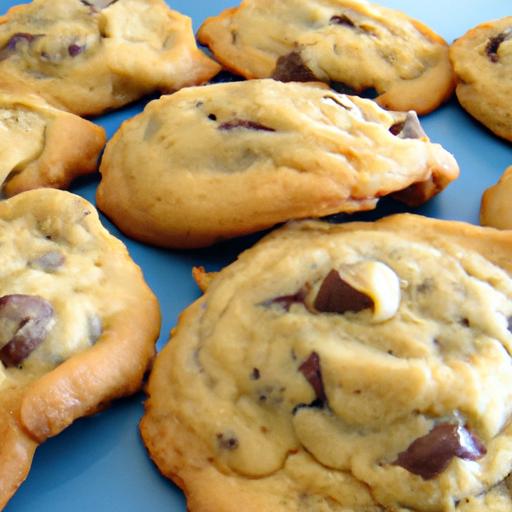

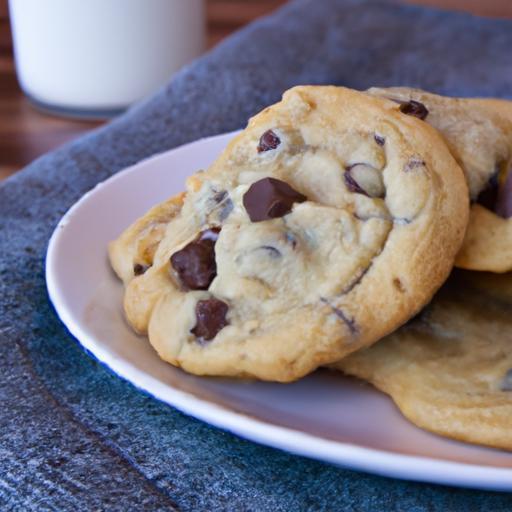
There’s an alchemy to the humble chocolate chip cookie-a simple blend of sugar, butter, flour, and chocolate that somehow transforms into pure comfort with every bite. But behind that golden, chewy exterior lies a fascinating dance of chemistry and physics, where precise measurements, ingredient temperatures, and baking times come together to create cookie perfection.In this article, we’ll unwrap the sweet science behind your favorite treat, revealing the hidden secrets that turn ordinary dough into an unusual cookie experience.Prepare to see chocolate chip cookies not just as dessert, but as a flavorful laboratory of flavour and texture.
The Sweet Science Behind Perfect Chocolate Chip cookies begins with a fascinating interplay of ingredients and baking technique that’s part art,part chemistry. Understanding how chocolate melds with dough, the purposeful roles of butter and sugar, the magic of precise baking temperatures, and the selection of ideal chocolate elevates a simple cookie into a sublime treat. Let’s dive into these intricate details that transform humble ingredients into irresistible cookies with tender centers, golden edges, and rich, luscious bite after bite.
Prep and Cook Time
- Readiness: 20 minutes
- Chilling (optional but recommended): 30-60 minutes
- Baking: 10-12 minutes
- Total: Approximately 1 hour 15 minutes
Yield
Approximately 24 classic-sized cookies
Difficulty Level
Medium – Ideal for home bakers aiming to master texture and flavor science
Ingredients
- 2 ¼ cups all-purpose flour,sifted
- ½ teaspoon baking soda
- 1 teaspoon fine sea salt
- ¾ cup unsalted butter,softened to room temperature
- 3/4 cup granulated sugar
- 3/4 cup packed light brown sugar
- 2 large eggs,at room temperature
- 2 teaspoons pure vanilla extract
- 2 cups high-quality bittersweet chocolate chips or chopped chunks
The Chemistry of Chocolate and Dough Interaction
The moment melted butter meets sugar,a delicate chemical dance begins,setting the stage for texture. Butter’s fat coats the flour proteins, reducing gluten growth for tenderness while sugar’s crystalline structure controls moisture and browning through caramelization and the maillard reaction. But it’s the interaction of chocolate that lends a final burst of complexity.
When baking chocolate chip cookies, chocolate undergoes partial melting and re-solidification, which these cookies’ ideal chewy centers and crisp edges rely on. Choosing chocolate with a cocoa percentage between 55-70% provides enough cocoa butter to soften and enrich the dough without overpowering sweetness. As the chocolate melts, it releases flavorful compounds enhanced by baking’s heat, anchoring those gooey pockets that contrast the cookie’s porous crumb.
Mastering the Role of Butter and Sugar for Ideal Texture
Butter temperature is crucial: using butter at room temperature allows it to trap air as you cream it with sugars. This step is what gives rise to a tender, airy crumb. The balance between granulated sugar and brown sugar is equally essential. granulated sugar encourages spreading and creates a crisp edge, while brown sugar’s molasses content adds moisture and chew. Together, they create cookies that are neither too cakey nor too flat.
unlocking the Secrets of Optimal baking temperature and Time
Baking anywhere between 350°F (175°C) and 375°F (190°C) produces different textures. higher temps produce a cookie with a crispier edge and a softer center, while lower temps yield a more uniform chewiness throughout. Watching bake time is critical-cookies pulled at 10 minutes will be soft and underdone, but over 12 minutes they risk becoming dry. Testing one cookie first can be the key to perfect timing.
Choosing the Right Chocolate for Maximum Flavor Impact
Opt for real chocolate over chocolate chips when possible – chopped bars melt unevenly, creating luscious pockets of melted indulgence. Incorporating bittersweet or semi-sweet chocolate strikes a perfect balance with sweet dough. For the adventurous, mixing in chunks of milk chocolate or even a touch of finely chopped dark chocolate with high cocoa content layers complexity and mouthfeel.
Instructions
- Preheat your oven to 350°F (175°C) and line two baking sheets with parchment paper.
- whisk together all-purpose flour, baking soda, and sea salt in a medium bowl; set aside.
- In a large bowl, cream the softened butter, granulated sugar, and brown sugar on medium speed until light and fluffy, about 3-4 minutes. This aeration is critical for texture.
- Add eggs one at a time, blending thoroughly after each addition. Stir in vanilla extract.
- gradually fold the dry ingredients into the wet mixture using a spatula or low-speed mixer. Avoid overmixing to prevent toughness.
- Incorporate the chocolate pieces gently yet thoroughly, ensuring an even distribution.
- Optional but recommended: chill the dough for 30-60 minutes to solidify fats and develop flavor depth. This prevents excess spreading during baking.
- Scoop dough (about 1.5 tablespoons per cookie) onto prepared sheets, spacing 2 inches apart.
- Bake for 10-12 minutes until edges are set and golden but centers still look slightly soft.
- Cool on baking sheets for 5 minutes before transferring to wire racks to finish cooling and set texture.
Chef’s Notes: Tips for Success
- Swapping unsalted butter for salted will require reducing added salt; flavor balance is key.
- For extra chew, replace 2 tablespoons of flour with cornstarch-this softens the cookie structure.
- Use a kitchen scale for precise measurements, especially for flour and chocolate, ensuring consistency.
- If cookies spread too much,chill the dough longer or use a higher protein flour for more gluten.
- Make-ahead: Dough can be frozen in portions for up to 2 weeks; bake directly from frozen-add 1-2 minutes to baking time.
Serving Suggestions
Present your cookies warm with a light dusting of flaky sea salt to enhance the chocolate’s richness and to provide a delightful contrast to sweetness. Pair with a glass of cold milk or a scoop of vanilla bean ice cream for a classic indulgence.For a gourmet twist, drizzle with melted dark chocolate or sprinkle with toasted nuts (like walnuts or pecans) for added texture complexity and visual appeal.

| Nutrient | Per Cookie |
|---|---|
| Calories | 190 |
| Protein | 2g |
| carbohydrates | 25g |
| fat | 9g |
For those eager to explore further, check out our detailed guide on how different flour types influence cookie texture.For an in-depth understanding of chocolate tempering and selection, this resource from the Culinary Institute of America is invaluable.
Q&A
Q&A: The Sweet Science Behind Perfect Chocolate Chip Cookies
Q1: Why do some chocolate chip cookies come out chewy while others are crisp?
A1: It all boils down to the balance of ingredients and baking time. More brown sugar and a higher moisture content create chewy cookies as brown sugar contains molasses, which retains moisture. White sugar, on the other hand, encourages crispiness by promoting spreading and creating a drier texture. Baking time also plays a role-longer baking evaporates more moisture, making cookies crisper.
Q2: How does butter impact the texture and flavor of chocolate chip cookies?
A2: Butter is the star player in cookie chemistry. When creamed with sugar, butter traps air, helping cookies rise and become tender.Its fat content adds richness and melts during baking, creating pockets of delightful softness. Additionally, butter browns slightly in the oven, developing complex, nutty flavors that elevate your cookie from good to irresistible.
Q3: Can chilling cookie dough really make a difference?
A3: Absolutely! Chilling dough solidifies the fat, which means cookies spread less and bake thicker. It also allows the flour to fully hydrate and the flavors to meld, resulting in a deeper, more harmonious taste. So while it might test your patience,waiting overnight or even just a few hours can transform your cookies.
Q4: What role do eggs play in the cookie’s structure?
A4: Eggs provide both moisture and structure through proteins that set as the cookies bake.They act as binders, holding the dough together, and also contribute to leavening by trapping air. The number of eggs can affect softness and cakiness; for chewier cookies, fewer eggs and more yolks are often preferred, as yolks add richness without extra liquid.
Q5: Why is the type of flour critically important in cookie baking?
A5: Flour’s protein content dictates how much gluten forms-gluten gives structure and chew.All-purpose flour strikes a balance for many recipes, but using bread flour (higher protein) yields denser, chewier cookies, whereas cake flour (lower protein) creates lighter, more tender results. The choice depends on your ideal cookie texture.
Q6: How does salt influence chocolate chip cookies?
A6: Salt is a flavor enhancer that brightens and balances sweetness. It doesn’t just make cookies taste “salted”; it accentuates the chocolate’s richness and brings out the buttery notes.A pinch of flaky sea salt sprinkled on top before baking can add a delightful contrast that elevates every bite.
Q7: Is it better to use melted butter or softened butter?
A7: Both have their merits! Softened butter, when creamed with sugar, incorporates air and creates a lighter, fluffier texture. Melted butter produces a denser, fudgier cookie because the sugar dissolves differently and the dough spreads more. Your choice depends on whether you crave cakey softness or chewy decadence.
Q8: Can the type of chocolate used affect the cookie?
A8: Definitely! Using high-quality chocolate with a higher cocoa content yields a richer, more intense flavor. Chunky chocolate pieces create gooey pockets, while chips retain their shape better, offering melty bursts. Mixing dark, milk, or even white chocolate lets you customize sweetness and texture.
Q9: How does baking temperature affect cookie outcome?
A9: Higher temperatures (around 375°F/190°C) cause cookies to set quickly, resulting in crisp edges with a soft center. Lower temperatures (325°F/165°C) encourage even baking, producing uniformly soft cookies. Adjusting bake times and temperatures can definitely help you fine-tune your cookie’s crunch-to-chew ratio.
Q10: Can I substitute ingredients without ruining my cookies?
A10: Some swaps work better than others! Replacing all-purpose flour with whole wheat adds nuttiness but can make cookies denser. Using brown butter rather of regular butter intensifies flavor but requires attention to fat temperature.Just remember that baking is a science, and tweaking ingredients might require adjusting proportions or techniques to maintain balance.
With these sweet science insights, your next batch of chocolate chip cookies will be perfectly tailored to your taste-whether you crave soft, chewy, or crisp delights!
in summary
As you embark on your next batch of chocolate chip cookies, remember that each bite is a harmonious dance of chemistry and craft.From the precise blend of ingredients to the careful control of temperature and time, the sweet science behind these beloved treats transforms simple dough into moments of pure joy. So, armed with a sprinkle of curiosity and a dash of experimentation, may your kitchen become a laboratory where perfect cookies are not just baked, but beautifully engineered.After all, in the world of chocolate chip cookies, deliciousness is as much about understanding the science as it is about savoring the result.