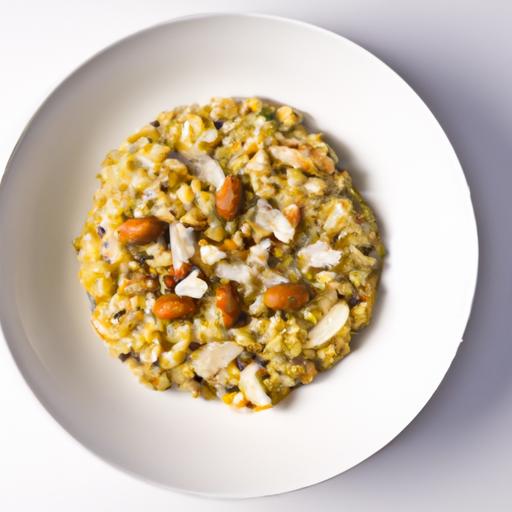

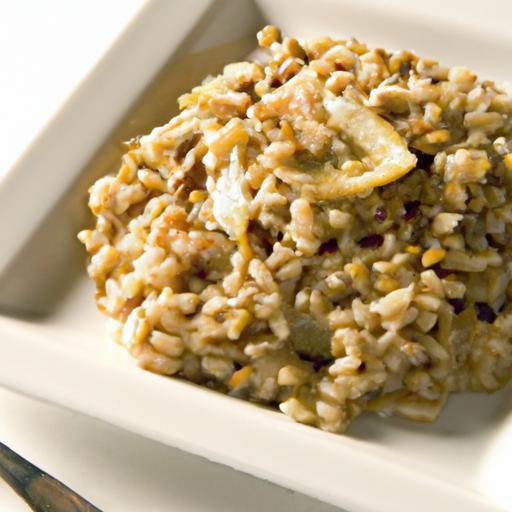
There’s something undeniably comforting about a creamy risotto-its delicate texture and rich flavors have long made it a beloved classic in kitchens around the world.But what if this timeless dish could be reinvented with a wholesome, nutty twist that adds both texture and nutrition? Enter barley risotto: a hearty, healthful alternative that transforms the conventional italian favorite into a rustic, grain-forward delight.In this article, we’ll explore how barley’s chewy bite and subtle earthiness breathe new life into risotto, offering a satisfying dish that’s as nourishing as it is delicious. Whether you’re a seasoned risotto lover or a curious cook seeking fresh inspiration,barley risotto invites you to savor comfort food with a wholesome,unexpected edge.
Exploring the Unique Texture and Flavor Profile of Barley in Risotto
Barley risotto offers a delightful departure from the traditional arborio-based classic, introducing a robust, nutty character and hearty texture that transforms a familiar comfort dish into a wholesome experience. The gentle chewiness of pearled barley, combined with its subtle earthiness, allows the flavors of fresh herbs, seasonal vegetables, and savory broths to shine through splendidly. This dish not only nourishes but also captivates with its rustic charm and creamy consistency,making it a perfect option for those seeking a nutritious twist without sacrificing indulgence.
Choosing the Perfect Barley Variety for a Nutty and Hearty Dish
When crafting barley risotto, the choice of barley is paramount to achieving that luscious, creamy texture coupled with a gentle bite.Pearled barley is the most accessible and commonly used variety – it has had the outer husk removed along with part of the bran, cooking faster and creating a tender yet slightly chewy texture that approximates traditional risotto rice. For a more pronounced nutty flavor and increased fiber, hulled barley offers a robust, chewy bite but requires longer cooking time.Opt for pearled barley if you prefer a quicker and creamier dish, but don’t hesitate to experiment with hulled barley for added nutritional depth and rustic authenticity.
Prep and Cook time
- Readiness Time: 15 minutes
- Cooking Time: 45 minutes
- Total Time: 1 hour
Yield
Serves 4 generous portions
Difficulty Level
Medium – Great for cooks comfortable with sautéing, stirring constantly, and patiently building layers of flavor.
Ingredients
- 1 cup pearled barley, rinsed and drained
- 4 cups vegetable broth, kept warm
- 2 tablespoons olive oil
- 1 small onion, finely diced
- 2 cloves garlic, minced
- 1 cup cremini mushrooms, sliced
- 1 medium carrot, peeled and finely chopped
- 1/2 cup grated Parmesan cheese or a plant-based alternative
- 2 tablespoons unsalted butter (or vegan butter)
- salt and freshly ground black pepper, to taste
- 1/4 cup chopped fresh parsley for garnish
- Optional: zest of 1 lemon for brightness
Step by Step guide to Crafting Creamy Barley Risotto at Home
- Heat the broth: Pour the vegetable broth into a saucepan and keep it warm over low heat throughout the cooking process for gentle absorption.
- Sauté aromatics: In a large skillet or wide saucepan, warm olive oil over medium heat. Add the diced onion and sauté until translucent, about 4 minutes. Stir in the garlic and cook for another 30 seconds until fragrant.
- Add vegetables: Toss in the mushrooms and carrot, cooking until the mushrooms release their moisture and soften, about 5 minutes. Season lightly with salt to enhance their natural flavors.
- Toast the barley: Stir in the rinsed barley,coating each grain with the oil and vegetables. Cook for 2 to 3 minutes, stirring frequently, until the barley is lightly toasted and slightly translucent at the edges – this step adds depth and nuttiness.
- Slowly add broth: Begin ladling warm broth into the barley mixture – about ½ cup at a time. Stir constantly until most of the liquid is absorbed before adding the next ladle. This gradual process encourages the barley to release its creamy starches, creating the signature risotto texture. Continue this step for 35-40 minutes, or until the barley is tender but still slightly chewy. You may not need all the broth.
- Finish with richness: Remove your skillet from heat. Stir in the butter and grated Parmesan cheese until melted and fully incorporated. Adjust seasoning with salt and pepper to taste.
- Garnish and serve: Transfer the barley risotto to warm plates. Sprinkle with fresh parsley and, if desired, a touch of lemon zest to brighten the dish for an elegant finish.
Tips for Success
- Patience is key: Stirring constantly may seem tedious, but it’s essential for coaxing the barley’s natural creaminess out. Use this time to engage with your cookery, savoring the aromas and textures developing.
- Customize your broth: Experiment with mushroom or herb-infused vegetable broths for additional umami layers to complement barley’s earthy profile.
- Make it vegan: Substitute butter for olive oil and cheese for nutritional yeast or vegan Parmesan alternatives without compromising on the creamy finish.
- Advance prep: Barley can be cooked in bulk ahead of time and gently reheated in broth, but the luscious creamy effect is best fresh.
- Texture check: The ideal barley risotto is tender with a slight toothsome chew – avoid overcooking to mush!
Pairing and Serving suggestions to elevate Your Barley Risotto Experience
Serve this barley risotto alongside a crisp, lightly dressed baby arugula salad or roasted seasonal vegetables for a balanced plate. its rich, nutty undertones harmonize beautifully with sharp, acidic components – think freshly squeezed lemon juice, a drizzle of high-quality extra virgin olive oil, or a scattering of toasted pine nuts for added crunch. For a heartier meal, top with roasted mushrooms or grilled marinated tofu. garnish generously with herbs like chives or thyme to inject fresh, vibrant notes.
| Nutrient | Per Serving |
|---|---|
| Calories | 350 kcal |
| Protein | 12 g |
| Carbohydrates | 58 g |
| Fat | 8 g |

Discover more wholesome grain recipes in our Healthy Grains Guide and learn about the nutritional benefits of barley at the World’s Healthiest Foods.
Q&A
Q&A: Barley Risotto – A nutty twist on a Classic Comfort Dish
Q: What makes barley risotto different from traditional risotto made with arborio rice?
A: Barley risotto swaps out arborio rice for pearl barley, lending the dish a pleasantly chewy texture and a rich, nutty flavor.Unlike the creamy smoothness of traditional risotto, barley offers a heartier bite and a more rustic, wholesome mouthfeel, making it a delightful twist on the classic.
Q: Is barley risotto as creamy as the traditional version?
A: While barley absorbs liquid differently than arborio rice, careful cooking and frequent stirring coax out a luscious creaminess. The starch content in barley is a bit lower, so the texture is subtly less velvety but equally comforting, with a robust grain character that balances the creaminess beautifully.Q: What are some ideal flavor pairings for barley risotto?
A: Because barley has a nutty base, it pairs wonderfully with earthy mushrooms, caramelized onions, roasted root vegetables, fresh herbs like thyme or sage, and tangy cheeses such as Parmesan or goat cheese.Adding toasted nuts or seeds can amplify the nutty appeal, while a drizzle of lemon zest or fresh herbs brightens the overall dish.
Q: Can barley risotto be made vegan or dairy-free?
A: Absolutely! Swap butter for olive oil or vegan margarine, and choose vegetable broth as your cooking liquid.To maintain creaminess, consider finishing with a splash of coconut cream, cashew cream, or mashed cooked celery root. Nutritional yeast is a great dairy-free way to add a cheesy depth without compromising the nutty twist.
Q: How do you prepare barley so it cooks well in a risotto?
A: Pearled barley is preferred because it cooks more quickly and is less fibrous than hulled barley. Rinse it well before use, toast it lightly in fat to bring out its nutty aroma, then gradually add hot broth, stirring frequently.This slow absorption technique encourages a creamy consistency while allowing the barley’s natural flavor to develop.
Q: Is barley risotto nutritious compared to rice risotto?
A: Yes! Barley is a nutritional powerhouse, packed with fiber, vitamins, and minerals. It boasts a lower glycemic index,which means it provides sustained energy and supports digestion. Incorporating barley into your risotto not only diversifies flavors but also enhances the dish’s health benefits.Q: Can barley risotto be prepared in advance?
A: While risotto is best enjoyed fresh for optimal creaminess, barley risotto holds up a bit better due to barley’s chewy texture. Cool leftovers rapidly and store them in an airtight container. Reheat gently with a splash of broth or water, stirring to restore moisture and softness.
Q: What are some creative twists to elevate barley risotto?
A: mix in roasted butternut squash or caramelized fennel for a sweet-savory interplay. Stir in fresh baby kale or spinach near the end for a pop of color and nutrients. For a Mediterranean flair, add sun-dried tomatoes and olives, or top with toasted pine nuts for crunch. The nutty barley base welcomes adventurous flavors that bring new life to a comfort classic.
Q: Is barley risotto suitable for all seasons?
A: Definitely! Its warming, hearty nature makes it perfect for chilly autumn and winter evenings, while incorporating seasonal vegetables-like spring peas or summer zucchini-keeps it fresh and vibrant year-round. The versatility of barley risotto allows it to adapt with the seasons, always offering a cozy yet lively meal.
Wrapping Up
Whether you’re seeking a wholesome spin on a timeless favorite or simply craving a dish that marries creamy comfort with a satisfying nutty crunch, barley risotto delivers on all fronts. This ancient grain not only brings a delightful texture and depth of flavor but also packs a nutritional punch that elevates the classic risotto experience. So next time you want to surprise your palate and nourish your body, give barley risotto a try-it’s comfort food reinvented, one hearty spoonful at a time.