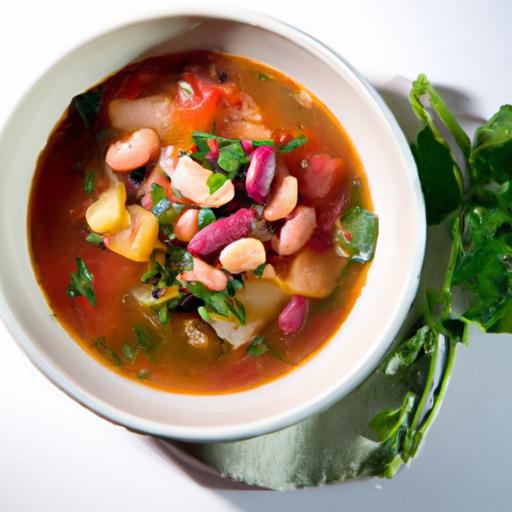

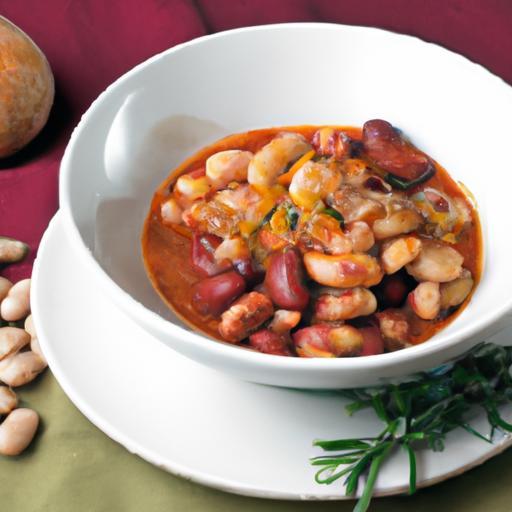
When it comes to crafting the perfect minestrone soup, every ingredient plays a starring role-from the vibrant medley of seasonal vegetables to the rich, savory broth that ties it all together. Among these, white beans hold a special place, offering creamy texture and hearty protein that elevate this classic Italian dish. Yet, a common culinary conundrum arises: should you drain the beans, or let them swim in their starchy liquid? This seemingly small decision can dramatically influence the soup’s consistency, flavor, and nutritional profile. Join us as we dive into the art and science behind handling white beans in minestrone, helping you unlock a bowl of soup that’s nothing short of perfection.
To Drain or Not: White Beans in Perfect Minestrone Soup is a question that often puzzles cooks aiming for that authentic Italian flavor and texture balance. White beans, a staple in classic minestrone, bring creamy richness and hearty body to the soup, but their preparation-especially whether to drain them or not-can make all the difference. Choosing the right variety and handling them thoughtfully ensures every spoonful bursts with comforting depth and velvety texture.
Prep and Cook Time
- Preparation: 15 minutes
- Cook Time: 40 minutes
- Total Time: 55 minutes
Yield
About 6 generous servings
Difficulty Level
Medium – Perfect for cooks ready to deepen their soup-crafting skills
Ingredients
- 2 cups dried cannellini beans (or 3 cans of quality organic white beans, drained or not as preferred)
- 3 tablespoons extra virgin olive oil
- 1 large onion, finely diced
- 2 cloves garlic, minced
- 2 medium carrots, peeled and diced
- 2 celery stalks, diced
- 1 zucchini, diced
- 1 cup green beans, trimmed and cut into 1-inch pieces
- 1 can (14 oz) diced tomatoes, with juices
- 6 cups vegetable broth, preferably homemade or low sodium
- 1 teaspoon fresh thyme leaves
- 1 bay leaf
- Salt and freshly ground black pepper, to taste
- 1 cup small pasta (ditalini or elbow macaroni)
- Fresh parsley, chopped for garnish
- Grated parmesan cheese or a vegan alternative (optional, for serving)
Choosing the Right White Beans for Authentic Minestrone
White beans vary not only in size but in starch levels and texture after cooking. Cannellini beans are the beloved choice for conventional minestrone: their creamy interiors withstand slow simmering without falling apart, unlike butter beans which tend to mash quickly. Great Northern beans offer a firmer bite but can feel less velvety. When you soak and cook your own dried beans,you control the texture best; canned beans offer convenience but always check for added salt and liquid.
The Impact of Draining on Texture and Flavor Profiles
Whether you drain or not drain canned white beans is pivotal. Undrained beans bring extra starch and can thicken the broth, adding body but sometimes clouding it or risking gumminess if overdone. Draining conserves broth clarity and allows you to fine-tune the soup’s liquid balance with your chosen vegetable broth. For a lighter minestrone, drain the beans and add them near the end to warm through gently, preserving their shape and a subtle bite. For a creamy, rustic version, add them with a little of their liquid to the pot early on, stirring occasionally to break some down and enrich the broth.
Balancing Broth Consistency to Achieve Soup Perfection
Creating the perfect minestrone broth is a dance between vegetable solids, beans, and liquid.Too much broth can dilute the comforting essence,while too little leaves the soup dry. Take care to consider the beans’ moisture content: beans canned without draining release starch as they heat, naturally thickening the broth. If you prefer a broth with clarity and sharpness, drain the beans and adjust liquid levels with vegetable broth accordingly. remember, add pasta last to prevent excessive thickening and maintain the soup’s tenderness.
Expert Tips for Enhancing Minestrone with White Beans
- Soak and rinse dried beans overnight for creamy, melt-in-your-mouth texture that canned beans can’t match.
- Reserve some bean cooking liquid when using dried beans; add a splash for natural richness.
- Add herbs like rosemary or thyme early,and fresh parsley at the end for vibrant aroma.
- Sauté vegetables in olive oil until translucent and just golden to unlock sweetness before adding liquids and beans.
- Control salt carefully: canned beans and broth can add unexpected saltiness.
- Consider pureeing a small portion of beans and vegetables off the side to stir back in for creaminess without heavy cream.
- Enhance umami by stirring in a splash of soy sauce or miso paste for a surprising depth without altering classic roots.

Instructions
- If using dried beans: Soak overnight in cold water. Drain, rinse, then simmer in fresh water for 45 minutes or until tender but not mushy. Reserve some cooking liquid.
- Heat olive oil in a large pot over medium heat. Add onion, carrot, and celery. Sauté until golden brown, about 7-8 minutes, stirring often to prevent sticking.
- Add garlic and zucchini; cook for 2 more minutes, stirring gently to soften without browning.
- Stir in green beans, diced tomatoes with juices, thyme, and bay leaf. Pour in the vegetable broth and reserved bean cooking liquid (if using dried beans). Season lightly with salt and pepper.
- Bring to a gentle boil,then reduce heat and simmer uncovered for 20 minutes.
- Add the beans: If canned, decide whether to drain depending on desired broth thickness. Add beans with or without liquid and stir slowly to combine. Simmer 5 minutes to warm beans through.
- pour in pasta and cook until tender, about 8 minutes. Taste and adjust seasoning with salt and pepper.
- Remove bay leaf. stir in chopped parsley just before serving.
Chef’s Notes
- Use dried beans when time permits for best texture; canned beans are ideal for speedy fixes.
- For a thicker minestrone, gently mash a spoonful of beans against the pot wall to release starch.
- To keep the soup fresh the next day, cook pasta separately and add freshly cooked noodles when reheating.
- Vegetarian and vegan versions shine with a sprinkle of nutritional yeast instead of Parmesan.
Serving Suggestions
Serve your minestra in deep bowls, drizzled with a touch of extra virgin olive oil and a sprinkle of fresh parsley or basil leaves. Pair with crusty whole-grain bread for dipping-its hearty crunch complements the creamy beans beautifully. Add a wedge of lemon on the side for those who love a bright, citrusy contrast. Finish the presentation with a light dusting of grated Parmesan or a dollop of pesto for a true taste of Italy.
| nutrient | Per Serving |
|---|---|
| Calories | 280 kcal |
| Protein | 14 g |
| Carbohydrates | 42 g |
| Fat | 6 g |
For more about mastering soup textures and beans, explore our complete guide to bean soups. To deepen your knowledge on regional Italian legumes, Great Italian Chefs offers authentic insight.
Q&A
Q&A: To Drain or Not: White Beans in Perfect Minestrone soup
Q1: Why are white beans a popular choice for minestrone soup?
A1: White beans like cannellini or Great Northern bring a creamy texture and mild, nutty flavor that complements the rich vegetable medley of minestrone.They also boost the soup’s protein and fiber content, making it hearty and nourishing.
Q2: Should you drain canned white beans before adding them to minestrone soup?
A2: It depends on your desired texture and flavor. Draining and rinsing canned beans removes excess sodium and the slightly starchy liquid, which can make the soup clearer and less thick.Leaving the beans with their liquid will add a silky body and deepen the stew-like consistency of your minestrone.
Q3: Does cooking dried white beans from scratch affect the decision to drain?
A3: When using home-cooked white beans, ther’s typically no need to drain. the cooking liquid often contains flavorful notes from the beans themselves and any aromatics added during simmering.Incorporating both beans and cooking broth enriches the soup’s depth and creaminess naturally.
Q4: How does draining or not draining beans impact the soup’s overall flavor balance?
A4: Keeping the bean liquid in the pot adds an earthy richness and slight thickness,subtly rounding out the acidity from tomatoes and brightness from fresh herbs.Draining, on the other hand, allows the clean flavors of the vegetables, herbs, and broth to stand on their own, creating a lighter, fresher profile.
Q5: Are there any textural considerations when deciding to drain white beans?
A5: yes. Not draining the beans can make the soup feel more luscious and velvety due to the starches in the bean broth. If you prefer distinct, firm beans that contrast with the vegetables, rinsing and draining help keep beans from blending into the soup’s body.
Q6: What’s a good rule of thumb for adding white beans to the soup?
A6: Add white beans in the final stages of cooking to heat through evenly without breaking apart. Whether you drain them or not, fold them gently into your minestrone just before serving to preserve their shape and creaminess.
Q7: Can using the bean liquid affect the soup’s seasoning needs?
A7: absolutely. Bean liquid can carry a subtle saltiness and earthiness, so taste your soup before adding extra salt or herbs. Starting with drained beans gives more control over seasoning, while undrained beans may require a lighter hand.
Q8: How does the choice to drain or not influence the classic comforting feel of minestrone?
A8: Minestrone is all about harmony between fresh vegetables and hearty legumes. Using the bean liquid ties the ingredients together in a warm,unified embrace-think of it as the difference between a light broth and a cozy stew. Trust your mood and palate: either way,white beans will enrich your minestrone’s soul.
Final Thoughts
As we’ve discovered, the humble decision to drain-or not to drain-white beans in your minestrone soup is more than a simple kitchen chore; it’s a subtle art that shapes the very soul of your stew. Choosing to rinse and drain can deliver a cleaner, lighter broth that lets vibrant vegetables and herbs shine through, while adding them straight from the can brings a velvety richness and those beloved bean-infused depths that comfort and satisfy. Whether you’re chasing clarity or creaminess, the perfect minestrone is ultimately yours to craft, one ladleful and white bean at a time. So next time you stand over the simmering pot, remember: to drain or not to drain is a delicious question worth savoring.