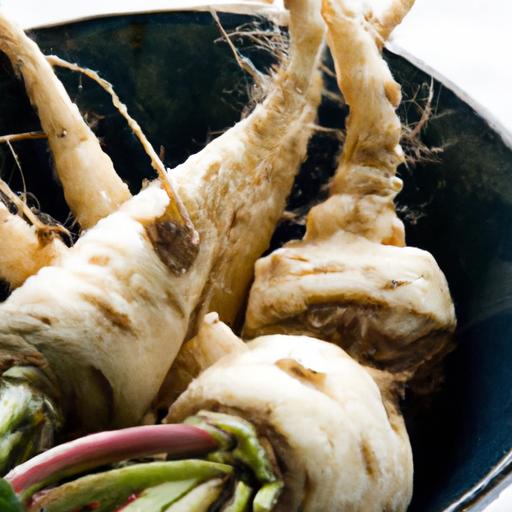

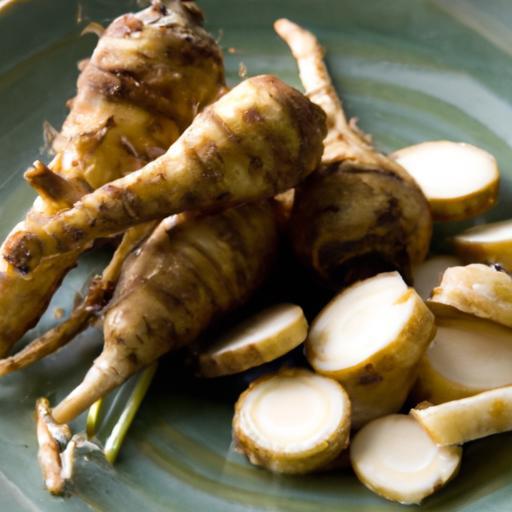
Beneath the earth’s surface lies a humble root, often overshadowed by its more celebrated cousins like carrots and potatoes-but the parsnip is quietly reclaiming its rightful place at the culinary table. With its sweet, nutty flavor and versatile texture, this unassuming vegetable invites home cooks and chefs alike to experiment beyond the ordinary. In “Root to Table: Creative Recipes Using Parsnips Today,” we’ll uncover inventive ways to transform this ancient root into modern masterpieces, proving that parsnips are far more than just a forgotten side dish-they are a canvas for culinary creativity waiting to be explored. Whether roasted, mashed, or pureed, parsnips are ready to surprise your palate and inspire your kitchen.
Root to table: Creative Recipes Using Parsnips Today begins with mastering the art of growing and selecting the ideal parsnip to unlock its rich, sweet, and earthy flavor potential. Parsnips, those elegant cream-colored root vegetables, have been beloved in Northern European kitchens for centuries, prized for their versatility and subtle depth. With the right cultivation and selection, you can elevate the humble parsnip into a centerpiece of your culinary creations.
Prep and Cook Time
- Preparation: 15 minutes
- Cooking: 40 minutes
- Total Time: 55 minutes
Yield
Makes 4 generous servings
Difficulty Level
Easy to Medium – Perfect for cooks looking to explore innovative parsnip preparations
Ingredients
- 1 ½ pounds fresh parsnips,peeled and cut into 2-inch chunks
- 3 tablespoons extra virgin olive oil
- 1 teaspoon sea salt
- ½ teaspoon freshly ground black pepper
- 1 tablespoon fresh thyme leaves,finely chopped
- 2 cloves garlic,minced
- 1 cup homemade vegetable broth (or low-sodium store-bought)
- 3 tablespoons unsalted butter
- ¼ cup whole milk or plant-based milk alternative
- 1 tablespoon freshly squeezed lemon juice
- 2 tablespoons toasted hazelnuts,chopped (optional garnish)
- fresh flat-leaf parsley,finely chopped (for garnish)
instructions
- Perfect Parsnip preparation: Begin by peeling the parsnips thoroughly to remove any bitterness often found in the skin.Cut into uniform 2-inch pieces to ensure even cooking.
- Roast to Concentrate Flavor: Preheat your oven to 400°F (200°C). Toss the parsnips in olive oil, sea salt, pepper, thyme, and minced garlic until well coated. Spread them evenly on a parchment-lined baking tray to avoid overcrowding.
- Roast the parsnips for 25-30 minutes, turning halfway through. The edges should caramelize to a golden amber hue,a sign of their developing sweet aroma.
- Simmer into a Silky Parsnip Puree: transfer roasted parsnips to a saucepan, add the vegetable broth, cover, and simmer over medium heat for 10 minutes until very tender.
- Puree and Enrich: Drain the parsnips, reserving the broth. Into a blender or using an immersion blender, combine parsnips, butter, milk, and lemon juice. Purée until smooth, adding reserved broth slowly to reach desired creaminess.
- Season and Adjust: Taste and adjust seasoning with additional salt, pepper, or lemon juice. Remember, a hint of luminous acidity beautifully balances the parsnip’s natural sweetness.
- Garnish and Serve: Spoon the luscious puree into warm bowls,sprinkle toasted hazelnuts and parsley for texture and freshness,and serve instantly.
Chef’s Notes
- For maximum flavor when selecting parsnips, look for firm, unblemished roots with a creamy white colour and minimal branching. Smaller to medium-sized parsnips tend to be sweeter and less woody.
- If fresh thyme isn’t available, rosemary or sage provide aromatic alternatives that complement the earthiness of parsnips.
- To make this dish vegan, substitute unsalted butter with a high-quality plant-based spread and use almond or oat milk instead of dairy milk.
- Parsnip puree can be made ahead and gently reheated over low heat with a splash of broth, stirring often to restore its creamy texture.
- For a playful twist,roast parsnips with a sprinkle of smoked paprika or curry powder before pureeing for a savory depth.
Serving Suggestions
This velvety parsnip puree is an exquisite accompaniment to roasted root vegetables or grilled mushrooms, helping create a beautifully balanced vegan main course. For a refined touch, drizzle with high-quality extra virgin olive oil and garnish with chopped fresh herbs and toasted nuts to add crunch and freshness.
Consider pairing parsnips with flavors like thyme, hazelnuts, lemon zest, and butter or plant-based alternatives to create comforting, rich plates that reward your palate with complex, layered tastes.

| Nutrient | Per Serving |
|---|---|
| Calories | 180 kcal |
| Protein | 3 g |
| Carbohydrates | 30 g |
| Fat | 6 g |
Unlock the full potential of parsnips and enjoy their understated elegance from roast to puree – a lovely way to celebrate seasonal produce and bring vibrant, creative flavors to your table. For more inspiration on root vegetables, see our creative recipes using carrots that also highlight seasonal versatility.
Q&A
Q&A: Root to Table – Creative Recipes Using Parsnips Today
Q1: What makes parsnips such a versatile root vegetable in cooking?
A1: Parsnips offer a unique blend of sweetness and earthiness that can adapt to both savory and sweet dishes. Their creamy texture when cooked makes them perfect for mashes and purees, while their firmness allows them to shine in roasting or frying. Plus, their subtle spice undertones-reminiscent of nutmeg and cinnamon-add depth to recipes, making them a creative superstar from root to plate.
Q2: How can I prepare parsnips to highlight their natural sweetness?
A2: Caramelizing parsnips by roasting them with a bit of olive oil and a sprinkle of fresh herbs like rosemary or thyme enhances their inherent sugars. For a sweeter twist, try glazing parsnips with a mixture of maple syrup and mustard, then roast until golden. This method provides a delicious balance between savory and sweet, perfect as a side or a starring ingredient.
Q3: Are parsnips suitable for raw preparations?
A3: Absolutely! Thinly sliced or grated raw parsnips add crunchy texture and mild sweetness to salads and slaws. Toss them with a zingy lemon dressing, chopped herbs, and toasted nuts for a refreshing dish that celebrates the root’s crispness and subtle spice without the need for cooking.
Q4: Can parsnips be incorporated into baked goods or desserts?
A4: Yes! Parsnips are a brilliant substitute or complement to carrots in cakes,muffins,and breads,lending moisture and a gentle sweetness. Try adding shredded parsnip to a spiced cake batter with cinnamon, ginger, and nutmeg for a twist on classic flavors. Parsnip puree can also enrich custards or puddings, adding complexity and creaminess.
Q5: What are some creative ways to use parsnip greens, or should they be discarded?
A5: Don’t toss those greens! Parsnip leaves can be used like other leafy greens such as kale or chard. They’re great sautéed with garlic and olive oil or blended into pesto for a peppery, fresh flavor. Incorporating the greens reduces waste and adds a nutrient-packed punch to your meals.
Q6: How do parsnips lend themselves to global cuisine interpretations?
A6: Parsnips’ flavor profile pairs beautifully with an array of spices and cooking styles. In Indian-inspired dishes, parsnip cubes sautéed with cumin, coriander, and turmeric make fantastic vegetable curries. Middle Eastern cuisine can highlight parsnips roasted with za’atar and served alongside tahini sauce. Their versatility invites experimentation across cultural palettes.
Q7: What tips help ensure parsnips cook evenly and retain their best texture?
A7: When roasting, cutting parsnips into uniform pieces ensures even caramelization and tenderness. Boiling or steaming until just tender prevents the vegetable from becoming mushy, ideal for mashes. For soups, pureeing after cooking gently maximizes smooth, silky texture while preserving nutrients.
Q8: Are there any nutritional benefits that parsnips provide?
A8: Parsnips are rich in dietary fiber, which supports digestion and fullness. They also offer a good dose of vitamins C and K, folate, and potassium. This nutrient combination supports immune health, bone strength, and cardiovascular function, making parsnips a smart and delicious addition to any diet.Q9: Can parsnips be a satisfying meat alternative in vegetarian dishes?
A9: Definitely! Their hearty texture and natural sweetness make parsnips a fantastic star in vegetarian recipes. Mashed with garlic and herbs,they can replace mashed potatoes with extra flavor complexity. Roasted parsnip steaks or thick slices pan-seared with spices can serve as a satisfying centerpiece in plant-based meals.
Q10: What kitchen tools or techniques enhance cooking with parsnips?
A10: A sharp knife and a sturdy peeler are essential for prepping parsnips smoothly. Using a mandoline can create perfect thin slices for chips or gratins.Slow roasting at moderate temperatures allows sugars to develop fully without burning, while blending cooked parsnips with a stick blender helps achieve luscious purees effortlessly. Experimenting with these tools elevates the humble parsnip into culinary artistry.
In Summary
From humble root to vibrant table centerpiece, the parsnip’s journey is a celebration of flavor and creativity. Whether roasted to caramelized perfection, blended into silky soups, or transformed into unexpected desserts, this versatile root invites us to reimagine what’s possible in our kitchens. Embracing parsnips not only enriches our meals but also connects us to the earth’s quiet abundance. So next time you’re at the market, don’t overlook this unassuming vegetable-let it inspire your culinary adventures and bring a touch of rustic elegance to your table today.