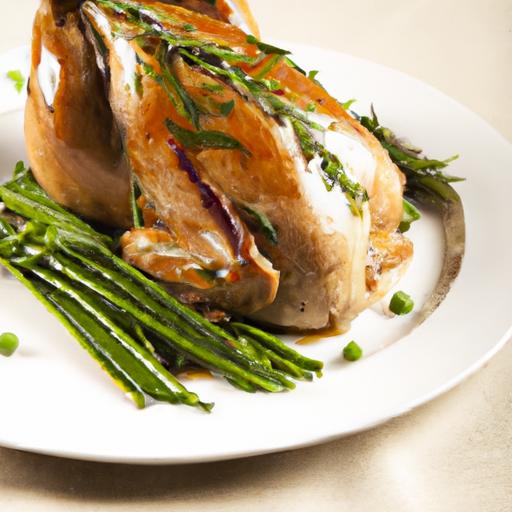

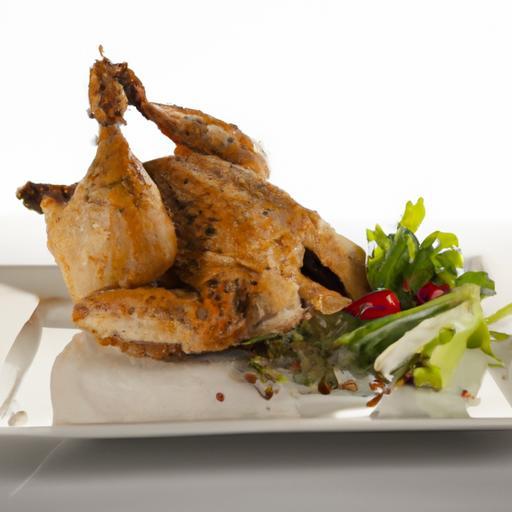
There’s something undeniably satisfying about a perfectly baked chicken-crispy golden skin giving way to juicy, tender meat that bursts with flavor in every bite. But achieving that harmonious balance is more than just following a recipe; it’s an intricate dance of technique, timing, and a deep understanding of how heat transforms ingredients. In this exploration of “Unlocking Flavor: The Art and science of Perfect Baked Chicken,” we’ll peel back the layers of culinary tradition and scientific insight to reveal the secrets behind roasting chicken to perfection.Whether you’re a seasoned home cook or a curious beginner, join us as we decode the alchemy that turns a simple bird into a masterpiece of taste and texture.
Unlocking Flavor: The Art and Science of Perfect Baked Chicken
Unlocking flavor in baked chicken begins with understanding how each element-from the cut you choose to the final temperature-works together to create juicy, tender bites bursting with taste. Having spent years exploring various techniques, I’ve learned that making baked chicken truly shine is less about complexity and more about respect for the ingredients and controlled precision in the kitchen.
Prep and Cook Time
- Preparation: 20 minutes
- Marinating/Brining: 2-6 hours (optional but recommended)
- Cooking: 35-45 minutes
Yield
Serves 4 generous portions
Difficulty Level
Medium – perfect for home cooks ready to elevate their chicken with a few culinary techniques.
Ingredients
- Chicken: 4 bone-in, skin-on chicken thighs (for juiciness and flavor)
- Brine: 4 cups cold water, 1/4 cup kosher salt, 2 tbsp brown sugar
- Marinade: 1/4 cup extra virgin olive oil, 3 cloves garlic (minced), 1 tbsp fresh lemon juice, 1 tbsp chopped fresh rosemary, 1 tsp smoked paprika, ½ tsp black pepper
- Seasoning: Sea salt, freshly ground black pepper, to taste
- Finishing: Zest of 1 lemon, chopped fresh parsley, 1 tbsp melted butter (optional)
Instructions
- Prepare the Brine: In a large bowl, dissolve kosher salt and brown sugar into cold water. Submerge chicken thighs fully and refrigerate for 2-6 hours. This step ensures maximum juiciness by allowing the meat to retain moisture during baking.
- rinse and Dry: Remove chicken from brine,rinse briefly under cold water,and pat wholly dry with paper towels. Dry skin promotes crisping in the oven.
- Mix Marinade: In a small bowl, whisk olive oil, garlic, lemon juice, rosemary, smoked paprika, and black pepper. Coat chicken thighs generously with the marinade. Allow to rest at room temperature for 20 minutes to meld flavors.
- Preheat Oven: set your oven to 425°F (220°C). High heat will encourage a golden,crispy skin while locking in moisture.
- Roast Chicken: Arrange thighs skin-side up on a wire rack set over a rimmed baking sheet (this allows air circulation and fat to drip away). Roast for 35-45 minutes, or until skin is crisp and the internal temperature reaches 165°F (74°C).
- Rest: Remove chicken from oven and let rest for 5-10 minutes. Resting redistributes juices, ensuring tender bites.
- Finish and Garnish: Brush with melted butter, sprinkle lemon zest and fresh parsley atop each piece.The finishing touches add brilliant aroma and fresh contrast to your plate.
Tips for Success
- Selecting the Right Cuts: Bone-in,skin-on thighs are ideal for maximum juiciness and flavor due to their fat content and structure.For a leaner option, breasts can be used but require careful timing to avoid dryness.
- Mastering Marinades and Brines: Brining is the secret to succulent meat-don’t skip it! For an extra depth of flavor, experiment with fresh herbs like thyme or sage in your brine or marinade.
- Temperature Techniques: using a meat thermometer is essential. Removing chicken immediately at the right temperature avoids dryness while ensuring safety.
- Presentation Tips: Patience is key-dry skin before roasting and resting after baking will profoundly improve texture and flavor.
- Make Ahead: Chicken can be brined and marinated the day before; store it tightly covered in the fridge and bring to room temperature before baking.
Serving Suggestions
Serve your perfectly baked chicken alongside roasted seasonal vegetables like carrots, Brussels sprouts, and fingerling potatoes tossed in olive oil and herbs. A crisp green salad with lemon vinaigrette will refresh the palate. Garnish with extra lemon wedges and a sprinkle of freshly chopped parsley for vibrancy and a pop of color-making your dish as visually delightful as it is indeed flavorful.

| Nutrient | per Serving |
|---|---|
| Calories | 320 kcal |
| Protein | 28 g |
| Carbohydrates | 2 g |
| Fat | 22 g |
Unlocking flavor is about combining technique with the right ingredients and timing. Don’t hesitate to explore [this detailed guide on roasting chicken cuts](https://www.seriouseats.com/how-to-roast-chicken-thighs) for deeper insights and to build on this foundation.
Q&A
Q&A: unlocking Flavor – The Art and science of Perfect Baked Chicken
Q1: why does baked chicken sometimes come out dry, and how can I avoid it?
A1: Dryness in baked chicken frequently enough results from overcooking or cooking at too high a temperature. Chicken breast, which is lean, is particularly prone to drying out. To avoid this, aim for an internal temperature of 165°F (74°C) using a meat thermometer, and consider baking at a moderate temperature, around 350°F (175°C). Brining or marinating the chicken beforehand helps retain moisture, while resting the meat after baking allows juices to redistribute evenly.
Q2: What role does seasoning play in unlocking the flavor of baked chicken?
A2: Seasoning is crucial-it’s the foundation of flavor. Salt not only enhances taste but also helps proteins retain moisture. Beyond salt, layering flavors with herbs like thyme, rosemary, or smoked paprika can create aromatic complexity. A balance of salty, sweet, acid, and umami notes awakens the palate and elevates the humble baked chicken to a memorable dish.Q3: How can I get crispy skin on baked chicken?
A3: Crisp skin is a sign of great texture contrast.To achieve it, pat the skin dry with paper towels before seasoning-moisture is the enemy of crispiness. Baking on a wire rack allows hot air to circulate underneath, preventing sogginess. Starting the oven hotter (around 425°F or 220°C) for the first 10-15 minutes helps render fat under the skin and creates that golden crunch before lowering the heat to finish cooking gently.
Q4: Is it better to bake chicken covered or uncovered?
A4: Both methods have their perks.Baking uncovered encourages browning and crispness, ideal for skin-on chicken. Covering with foil traps steam, keeping the meat tender but can lead to softer skin.For best results, start uncovered to develop color, then cover if the chicken risks drying out or the surface browns too quickly.
Q5: How does the thickness of the chicken pieces affect baking time and flavor?
A5: Thickness directly impacts cooking time; thicker pieces require longer baking,risking dryness if overcooked. For even cooking, consider pounding breasts to uniform thickness or using bone-in cuts that cook more evenly and stay juicy due to the bone’s heat retention.More uniform pieces ensure consistent flavor and texture throughout.
Q6: Can baking techniques influence the flavor beyond basic roasting?
A6: Absolutely! Techniques like basting with herb-infused butter during baking add layers of richness. Using dry brining-salting the chicken and letting it rest uncovered in the fridge-develops deeper savory flavors and better skin texture. Incorporating aromatics like garlic, lemon zest, or shallots in the baking pan infuses the meat subtly with bright, savory notes as it cooks.
Q7: What science is behind marinating chicken to maximize flavor?
A7: Marinating works through osmosis and enzymatic action. Salt in the marinade draws flavors and moisture into the meat, while acids (like lemon juice or yogurt) gently break down proteins, making the chicken tender and flavorful. Though, acidic marinades should be timed carefully-too long can make the texture mushy, so 30 minutes to a few hours is usually ideal.
Q8: How can I ensure the baked chicken stays juicy without using heavy sauces?
A8: Moisture retention starts before baking: brining,marinating,and choosing cuts with skin and bone.Cooking at a steady, moderate temperature prevents the exterior from drying too quickly. After removing from the oven, tent the chicken loosely with foil and rest for 5-10 minutes-this step allows natural juices to redistribute rather than running out when sliced.
Q9: Is it necessary to let the chicken come to room temperature before baking?
A9: Yes, allowing chicken to rest at room temperature for about 20 minutes before baking helps it cook more evenly. Cold meat straight from the fridge can result in uneven cooking – overdone edges and an undercooked centre. This simple step is a professional secret to perfect texture.
Q10: What creative herb and spice combinations work well for baked chicken?
A10: The possibilities are endless! Classic Mediterranean blends include garlic, rosemary, lemon zest, and oregano. For something vibrant, try smoked paprika, cumin, coriander, and a hint of chili powder. Even butter and sage complement baked chicken exquisitely. Experimenting with dried versus fresh herbs and balancing warm spices with bright citrus creates signature flavors tailored to your taste.
Unlocking the full flavor potential of baked chicken is both an art and a science-understanding your ingredients, the chemistry of cooking, and layering flavors can transform this everyday protein into a dish bursting with depth and delight.
Final Thoughts
As we close the oven door on our exploration of perfect baked chicken, it’s clear that this beloved dish is much more than just a meal-it’s a harmonious blend of art and science. From the careful selection of spices to mastering temperature and timing,each step unlocks layers of flavor and texture that delight the senses. Whether you’re a curious novice or a seasoned cook,embracing these techniques transforms simple chicken into a culinary masterpiece. So next time you prepare baked chicken, remember: it’s not just cooking-it’s a flavorful experiment waiting to be discovered. Here’s to savoring every juicy, golden bite!