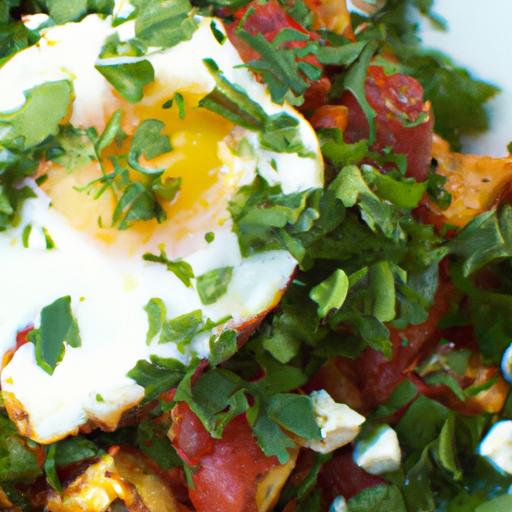

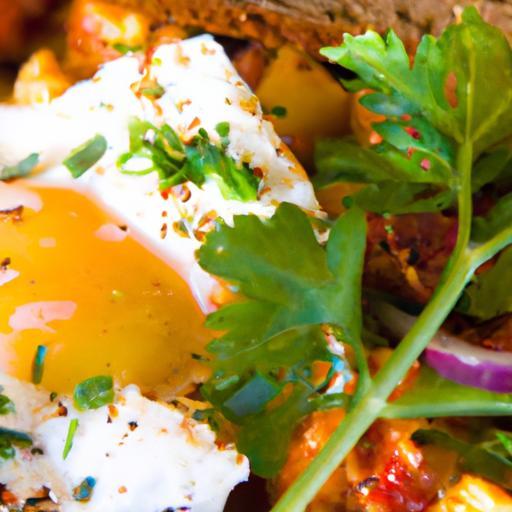
There’s something undeniably magnetic about shakshuka-the hearty, spiced tomato stew that has warmed countless breakfasts and brunch tables across the globe. Yet, as beloved as this North African and Middle Eastern classic is, it’s the art of subtle reinvention that keeps it vibrant and inviting. Enter savory shakshuka,where crumbled feta and a fragrant medley of fresh herbs step onto the stage,elevating tradition to new heights. this deliciously layered take not only honors the stew’s rustic roots but also awakens the palate with tangy creaminess and shining, herbal notes. Join us as we explore how these simple additions transform shakshuka from familiar comfort to unforgettable culinary experience.
The Essence of Shakshuka Tradition and Its Flavorful Roots
Savory Shakshuka: Feta and Fresh Herbs Elevate Tradition is more than just a dish; it’s a vibrant festivity of centuries-old culinary culture rooted in North African and Middle Eastern kitchens. Originating as a humble, hearty breakfast staple, shakshuka translates to “a mixture” – a perfect description for the luscious blend of ripe, simmered tomatoes, fragrant spices, and silky poached eggs that come together like a symphony on your plate. Each region adds its own twist, but the heart of shakshuka remains the same: uncomplicated, soul-warming, and utterly crave-worthy.
What makes this dish stand out even further is the dynamic addition of crumbled feta cheese and freshly chopped herbs. These flavors enhance the bright,tangy tomato base and enrich the texture,creating a contrast that makes every bite an unforgettable experience. Invoking the warmth of a bustling kitchen and the welcoming embrace of home cooking, this version of shakshuka invites you to master a recipe that is as approachable as it is sensational.
Prep and Cook Time
- Prep Time: 15 minutes
- Cook Time: 25 minutes
- Total Time: 40 minutes
Yield
Serves 4 generously
difficulty Level
Easy to Medium – perfect for both new cooks and seasoned food lovers eager to explore bold flavors.
Ingredients
- 2 tbsp extra virgin olive oil
- 1 medium onion, finely chopped
- 3 cloves garlic, minced
- 1 red bell pepper, diced
- 1 yellow bell pepper, diced
- 1 tsp ground cumin
- 1 tsp smoked paprika
- ½ tsp cayenne pepper (optional for heat)
- 1 can (28 oz) crushed tomatoes
- Salt and freshly ground black pepper, to taste
- 4 large free-range eggs
- ½ cup crumbled feta cheese, room temperature
- ¼ cup fresh parsley, chopped
- 2 tbsp fresh cilantro, chopped
- Fresh mint leaves, a small handful (optional)
- Warm crusty bread or pita, for serving
Instructions
- Heat olive oil in a large, deep skillet over medium heat. Add the onions and sauté until translucent, about 5 minutes, stirring occasionally to prevent sticking.
- Add the garlic and both bell peppers, cooking until the peppers soften, approximately 7 minutes. Stir often to distribute flavors evenly.
- Sprinkle cumin, smoked paprika, and cayenne into the skillet.Toast the spices for 1 minute to release their aroma before adding the tomatoes.
- Pour in the crushed tomatoes and season with salt and pepper. Simmer gently, uncovered, stirring occasionally for 10-12 minutes until the sauce thickens and melds beautifully.
- Using the back of a spoon, create 4 shallow wells in the bubbling sauce. carefully crack one egg into each well.
- Cover the skillet and cook on low heat for 6-8 minutes until the eggs are just set but the yolks remain soft and silky. Adjust timing for preferred doneness.
- Sprinkle the entire pan with crumbled feta cheese and scatter the fresh parsley, cilantro, and optional mint leaves on top for a burst of color and fragrance.
- Remove from heat and serve immediately with warm crusty bread, perfect for scooping up the luscious sauce and runny yolks.
Tips for Success
- Spice balance: Adjust cayenne according to your heat preference.For a smokier depth, add a pinch of smoked paprika near the end of cooking too.
- Cheese choice: Use high-quality feta at room temperature to ensure it melts slightly into the warm sauce, imparting creamy tang without overpowering the tomatoes.
- Egg poaching: Keep the heat low when cooking eggs to avoid tough whites and overcooked yolks. Covering helps trap steam and ensures evenly cooked eggs.
- Make-ahead: Prepare the tomato base a day ahead; reheat gently and add eggs just before serving for a rapid,fresh meal.
- Herb variations: Fresh dill or oregano can be added to tailor the aromatic profile to your liking.
Serving Suggestions
this savory shakshuka shines when paired with warm pita bread or a crispy baguette. For a brunch or light dinner setting, serve with a refreshing cucumber salad dressed in lemon juice and olive oil. Garnish generously with extra chopped herbs and a drizzle of good-quality olive oil for a glossy finish that invites the eye and palate alike.
| Nutrient | Per Serving |
|---|---|
| Calories | 280 kcal |
| Protein | 14 g |
| Carbohydrates | 18 g |
| Fat | 18 g |
Discover more Middle Eastern breakfast inspirations and deepen your culinary journey with flavors that celebrate tradition and freshness.
For authentic spice tips and additional techniques,visit the authoritative Serious Eats shakshuka guide.

Q&A
Q&A: Savory Shakshuka – Feta and Fresh Herbs Elevate Tradition
Q1: What is shakshuka, and why has it become a beloved dish around the world?
A: Shakshuka is a vibrant, comforting dish featuring eggs poached in a rich, spiced tomato sauce. Originating from North African and Middle Eastern kitchens, its bold flavors and simplicity have captured hearts globally. It’s a one-pan wonder perfect for any meal, celebrated for its warming spices and rustic charm.
Q2: How does adding feta cheese transform traditional shakshuka?
A: Feta introduces a delightful tang and creamy saltiness that beautifully balances the acidity and sweetness of the tomato sauce. Its crumbly texture adds depth, creating a multilayered taste experience that elevates the dish from simple to sublime.Feta’s Mediterranean origins also complement shakshuka’s heritage, making them a perfect pair.
Q3: Which fresh herbs best complement shakshuka, and what do they bring to the table?
A: Fresh herbs like parsley, cilantro, and mint bring bursts of brightness and freshness to the warm, spiced stew. parsley offers a clean, slightly peppery note; cilantro adds citrusy vibrancy and a touch of earthiness; while mint delivers a cool contrast, cutting through the richness. Together, they turn each bite into a fragrant celebration of flavors.
Q4: Can shakshuka be adapted for different dietary preferences without losing its essence?
A: Absolutely! Shakshuka is wonderfully versatile. For a vegan twist, the eggs can be replaced with firm tofu cubes or chickpeas, while keeping the spicy tomato base intact. For dairy-free options, skip the feta or use plant-based cheese alternatives. The key is preserving that balance of spices, acidity, and freshness that defines shakshuka.
Q5: what techniques ensure perfectly poached eggs in shakshuka?
A: Patience is essential! After simmering the tomato sauce to concentrate flavors,create little wells and gently crack eggs into them. Cover the pan and cook over low heat to steam the eggs until the whites are set but yolks remain luxuriously soft. Avoid high heat to prevent overcooking and ensure a velvety finish.
Q6: How can shakshuka be served for an extraordinary yet easy meal?
A: Serve shakshuka straight from the skillet, garnished with crumbled feta and fresh herbs for vibrant color and flavor. Pair it with warm, crusty bread or pita to scoop up every last drop of sauce. A side of roasted vegetables or a crisp salad complements the dish beautifully, making for a colorful, satisfying feast.
Q7: What inspires the fusion of feta and fresh herbs in this shakshuka variation?
A: This fusion draws on the shared culinary threads across Mediterranean and Middle Eastern cuisines. Incorporating feta nods to greek influences,while the fresh herbs highlight the region’s love for bright,natural flavors. Together, they honor tradition while inviting a contemporary, refreshing twist.
Q8: Are there any tips for selecting the best ingredients for shakshuka?
A: Choose ripe, flavorful tomatoes or high-quality canned tomatoes for a rich sauce. Look for fresh eggs and creamy, authentic feta to maximize texture and taste. When selecting herbs, opt for vibrant, unblemished leaves to ensure freshness and aromatic intensity that will elevate your dish.
This Q&A brings to life how feta and fresh herbs can truly transform shakshuka, spotlighting tradition while celebrating creative culinary expression.
To Wrap It Up
As the rich aroma of tomatoes mingles with the tangy crumble of feta and the vibrant burst of fresh herbs, shakshuka transforms from a humble breakfast staple into a culinary celebration. this savory twist not only honors the dish’s traditional roots but also invites a new wave of flavor and texture that awakens the senses. Whether enjoyed at dawn or dinner, the fusion of classic and fresh elements in shakshuka reminds us that sometimes, the simplest meals hold the greatest potential for reinvention. So next time you crave a dish that is both comforting and inspired, let feta and herbs elevate your shakshuka experience-proving that tradition can always make room for a little delicious creativity.