
In a world brimming with store-bought options, the art of crafting homemade salad dressings remains a vibrant and rewarding way to elevate fresh greens into culinary masterpieces. Imagine drizzling your favorite greens with a burst of tangy lemon, a hint of aromatic herbs, or a subtle kick of spicy mustard-all made from wholesome, simple ingredients you trust. “Fresh & Flavorful: Crafting Healthy Homemade Salad Dressings” invites you to rediscover the beauty of natural flavors, showing how easy it is to blend nutrition and taste into every drop. Say goodbye to preservatives and hello to vibrant, healthful creations that transform every salad into a festivity of freshness.
Choosing the Right Ingredients for Vibrant and Nutritious Dressings
Fresh & Flavorful: Crafting Healthy Homemade Salad Dressings begins with selecting ingredients that awaken the palate and nourish the body. The secret lies in using whole,vibrant components-think freshly squeezed citrus,robust extra virgin olive oil,and a careful blend of acidic and creamy elements. each choice shapes the dressing’s flavor profile and elevates the salad from simple to spectacular.
Start by opting for cold-pressed oils like avocado or walnut oil, which offer a silky texture and healthy fats. Shining acids like apple cider vinegar or freshly squeezed lemon juice provide that essential tang, balancing richness with zest. Don’t overlook natural sweeteners such as honey or maple syrup-they mellow sharpness while adding depth and complexity.
Mastering the Art of Balancing Flavors and Textures
When crafting your dressing, the magic is in the balance. A perfect harmony of acid,fat,sweetness,and seasoning ensures your dressing dances on the tongue. Think of the process as a culinary seesaw-each component must counterpoint the others.
- Acid: Brightens and lifts flavors; examples include citrus, vinegar varieties, or pomegranate molasses.
- Fat: Provides richness and mouthfeel; typically oils or creamy bases like tahini or avocado.
- Sweetness: Rounds out acidity; use raw honey, agave nectar, or dates.
- Seasoning: Elevates with freshness-sea salt, freshly ground pepper, and umami boosts like mustard or nutritional yeast.
Textures play their part too – a drizzle of smooth oil combined with the occasional crunch of toasted seeds or finely minced shallots adds intrigue. Whisking ingredients slowly emulsifies the dressing, giving it a luscious consistency that clings beautifully to greens.
Incorporating Superfoods and Herbs to Boost Health Benefits
Adding superfoods and fresh herbs transforms basic dressings into nutritional powerhouses. A handful of fresh basil, cilantro, or dill adds vibrant color and a burst of phytonutrients. for antioxidant and anti-inflammatory boosts, try powdered turmeric or ground flaxseeds.
Consider these powerhouse ingredients to enhance both flavor and wellness:
- Chia seeds: For natural thickening and omega-3s.
- Fresh ginger and garlic: Energizing and immune-supportive.
- Hemp hearts or spirulina powder: Protein and detoxifying qualities.
- Green tea matcha powder: A subtle earthy tone with metabolism benefits.
These additions are effortless to blend in and visually invigorate your salad dressings, making each bite an explosion of health and taste.
tips for Storing and Serving Your Homemade Salad Dressings
Freshness is key to keeping your dressings at their peak flavor and nutrition. Store your homemade creations in airtight glass jars or bottles, ideally with a tight-fitting lid. Refrigerate promptly and shake well before each use, as natural separation is normal.
Most dressings stay vibrant and safe for up to 5-7 days-beyond this, the fresh herbs and citrus may lose their brightness. For best results, make small batches tailored to your week’s salads.
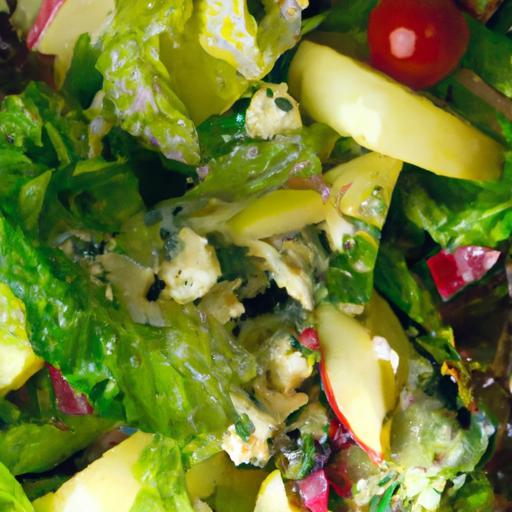
When serving, drizzle just before plating to maintain crisp textures. Garnish with freshly chopped herbs or a sprinkle of toasted nuts or seeds to boost flavor and create beautiful visual appeal. if you’re looking for inspiration, pair a creamy avocado-tahini dressing with crunchy kale or a tangy lemon-mustard vinaigrette with tender butter lettuce.
Prep and Cook Time
- Planning: 10 minutes
- Cook Time: 0 minutes (no cooking required)
Yield
Makes approximately 1 cup (240 ml) of dressing – perfect for 4-6 servings of salad.
Difficulty Level
Easy: Ready in minutes with no special equipment required.
Ingredients
- 1/4 cup extra virgin olive oil, cold-pressed for best flavor
- 2 tbsp fresh lemon juice, strained for clarity
- 1 tbsp apple cider vinegar, organic and unfiltered
- 1 tsp Dijon mustard, smooth and tangy
- 1 tsp raw honey, or pure maple syrup (adjust to taste)
- 1 small garlic clove, finely minced or grated
- 1 tbsp fresh chopped basil, or substitute cilantro
- Salt and freshly cracked black pepper, to taste
- Optional superfood add-ins: 1 tsp chia seeds, 1/2 tsp turmeric powder, or 1 tsp hemp hearts
instructions
- Combine the lemon juice, apple cider vinegar, dijon mustard, and honey in a medium bowl. Whisk vigorously until the honey dissolves,creating a smooth and uniform base.
- Slowly drizzle in the olive oil while continuously whisking to emulsify the dressing. This will yield a silky, well-blended texture that clings beautifully to salad greens.
- Add the minced garlic and fresh chopped basil. Stir gently to incorporate their freshness without bruising the herbs.
- Season with salt and freshly cracked black pepper to taste, tasting as you go to maintain balance.
- Optional step: Stir in your chosen superfoods (chia seeds, turmeric, or hemp hearts) to enrich the dressing’s nutritional profile.
- Transfer the dressing into an airtight glass container and refrigerate for at least 30 minutes to allow flavors to meld.
- Before serving, shake the container well or whisk again to re-emulsify any separated ingredients.
Chef’s Notes
- Variations: Swap lemon juice with balsamic vinegar for a sweeter dressing or add a splash of freshly grated ginger for zing.
- Substitutions: Use avocado oil rather of olive oil for a milder flavor and higher smoke point.
- Make-ahead tips: Dressings can be made up to 5 days in advance and stored in the refrigerator. Always stir or shake well before use.
- emulsification: Using a small blender or food processor can create an even creamier dressing with a lighter texture.
- Common pitfalls: Too much acidity can overpower – always start with less lemon/vinegar and adjust after tasting.
Serving Suggestions
Drizzle this luscious dressing over a bed of mixed greens, crisp heirloom tomatoes, and crunchy cucumber for a refreshing summer salad. Garnish with toasted sunflower seeds and shaved radishes for contrast. It’s equally sublime with hearty kale salads or roasted vegetable bowls, where the dressing adds a vibrant, healthful punch.
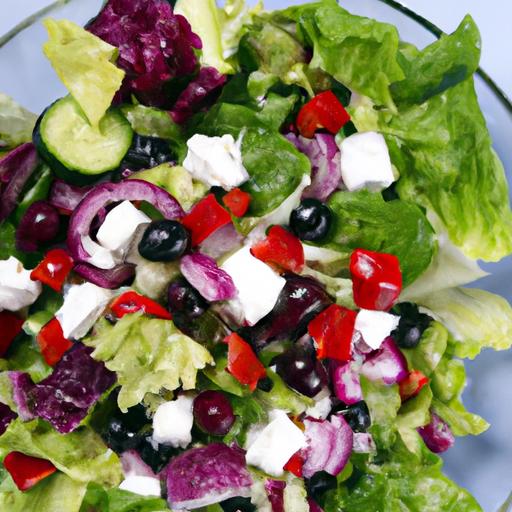
For a bright Mediterranean twist, add crumbled feta and olives, letting the dressing work its magic as a zesty binder.

| Nutrient | Per 2 tbsp Serving |
|---|---|
| Calories | 120 kcal |
| Protein | 0.3 g |
| Carbohydrates | 3 g |
| Fat | 11 g |
For more inspiration on dressing up your greens, explore our guide on Nutritious Veggie Salad Recipes. For a deep dive into the benefits of superfoods referenced here, visit Healthline’s Superfoods Overview.
Q&A
Q&A: fresh & Flavorful – Crafting Healthy Homemade Salad Dressings
Q1: Why should I consider making my own salad dressings instead of buying them pre-made?
A1: Homemade salad dressings allow you to control exactly what goes into your food-no hidden sugars, preservatives, or artificial flavors. Plus, crafting your own is a fun and creative way to tailor flavors to your mood and ingredients on hand.Fresh dressings often pack a brighter, livelier punch compared to store-bought versions.Q2: What are the basic components of a healthy homemade salad dressing?
A2: A well-balanced dressing typically includes three building blocks: an acid (like vinegar or citrus juice), a fat (such as olive oil or avocado oil), and an optional sweetener (think honey, maple syrup, or a splash of fruit juice). spices, fresh herbs, and aromatic ingredients like garlic or mustard round out the flavor profile.
Q3: How can I ensure my homemade dressing is both tasty and nutritious?
A3: Use high-quality, minimally processed ingredients. Opt for cold-pressed oils rich in healthy fats, fresh herbs bursting with antioxidants, and natural sweeteners instead of refined sugar. Also, adjusting acidity and sweetness to your personal taste can make the dressing more satisfying without added salt or excess sugar.
Q4: What are some creative acid options to brighten my salad dressings?
A4: Beyond classic balsamic or apple cider vinegar, try experimenting with fresh lemon or lime juice for zesty brightness, pomegranate molasses for a sweet-tart kick, or even a splash of tamarind paste for an exotic tang. These options can transform simple salads into flavor adventures.
Q5: Can I make a creamy dressing without using mayonnaise or dairy?
A5: Absolutely! Blending silken tofu, ripe avocado, or soaked cashews creates luscious, creamy bases that are both dairy-free and packed with nutrients. Adding a touch of mustard or miso can deepen the flavor, keeping it vibrant and velvety without relying on traditional dairy.
Q6: How long do homemade salad dressings last, and how should I store them?
A6: Most homemade dressings stay fresh in the refrigerator for about 5 to 7 days. Keep them in a tightly sealed glass jar and shake well before each use, as separation naturally occurs without emulsifiers.For dressings with fresh herbs or garlic, aim to consume sooner to enjoy peak freshness and reduce spoilage risk.
Q7: What are some clever ways to tweak dressings for different salad styles?
A7: For a Mediterranean salad, blend olive oil with lemon juice, oregano, and garlic. Asian-inspired salads benefit from sesame oil, rice vinegar, ginger, and a dash of soy sauce or tamari. For a tropical twist, whisk lime juice with coconut oil and a hint of fresh chili. The possibilities are endless when you match dressings to the salad’s origin or ingredient palette.
Q8: How can I make my dressings lower in calories without sacrificing flavor?
A8: Reduce the oil slightly and boost flavor with umami-rich ingredients like mustard, vinegar varieties, or citrus zest. Fresh herbs and spices add punch without calories, while a small amount of natural sweetener can balance acidity without contributing excess sugar. Remember, the goal is intensity of flavor, not volume of fat.
Q9: are there any handy tips for emulsifying homemade dressings for a smooth texture?
A9: Yes! Slowly whisking oil into acid (vinegar or citrus) helps create a stable emulsion. Alternatively, blending ingredients in a high-speed blender or shaking vigorously in a jar can achieve a creamy consistency. Adding a teaspoon of mustard or a small amount of nut butter can also act as natural emulsifiers.
Q10: How can I personalize my salad dressings to keep them exciting week after week?
A10: Keep a rotating stash of fresh herbs, experiment with different vinegars and citrus fruits, and try unique add-ins like grated ginger, minced shallots, or even a splash of brewed tea. Keeping a flavor journal can help you track what combinations sparkle most on your palate-transforming your salads from routine to remarkable.
To Wrap It Up
as you embark on your journey to craft fresh and flavorful salad dressings at home,remember that these vibrant blends are more than just toppings-they’re a celebration of wholesome ingredients and personal creativity. By embracing simple, natural components and experimenting with herbs, acids, and oils, you not only nourish your body but also elevate every bite to a new level of delight. So next time you reach for that bottle on the shelf,pause and consider mixing up your own masterpiece-because the healthiest dressings aren’t just made in kitchens,they’re made with love and a dash of culinary adventure.