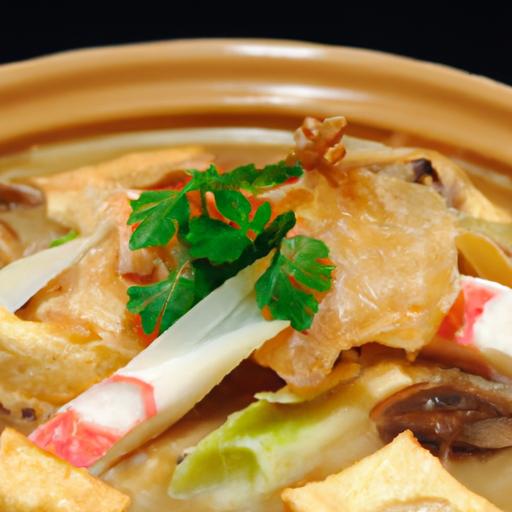

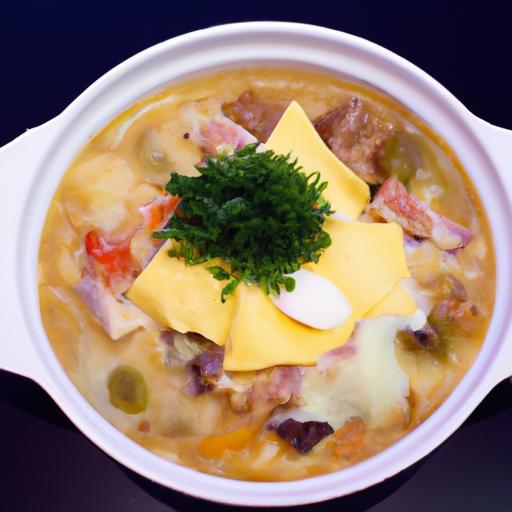
imagine a hot pot experience that unfolds like a delicate pastry-layer upon layer of vibrant flavors and textures, each bite revealing a new surprise. enter Mille Feuille Nabe, teh Japanese hot pot that artfully mimics the intricate layers of the classic French dessert, Mille Feuille. this culinary masterpiece stacks thinly sliced napa cabbage and succulent pork in a lovely, towering arrangement, simmered gently to create a comforting, umami-rich broth that warms both body and soul. Whether you’re a hot pot enthusiast or a curious foodie seeking a novel taste adventure, mille Feuille Nabe promises a feast that’s as visually stunning as it is delicious. Let’s dive into the secrets of this layered hot pot you must try today.
Mille Feuille Nabe is a culinary masterpiece that elegantly layers thinly sliced napa cabbage and tender meat, simmered together in a delicate yet flavorful broth. This Japanese hot pot dish showcases the art of layering-each sheet of cabbage interwoven with meat slices-to capture maximum flavor with every bite. Originating as a comforting winter staple, Mille Feuille Nabe dazzles both in visual appeal and harmonious taste, inviting you to experience a truly immersive cooking and dining journey.
Prep and Cook Time
- Planning: 20 minutes
- Cooking: 30 minutes
- Total Time: 50 minutes
Yield
Serves 4 generously
Difficulty Level
Medium – requires careful layering but very rewarding
Ingredients
- 500g thinly sliced beef (ribeye or sirloin),</b chilled for easy handling
- 1 large napa cabbage,</b leaves carefully separated and rinsed
- 6 cups dashi broth,</b preferably homemade or high-quality store-bought
- 2 tbsp soy sauce
- 1 tbsp mirin
- 1 tsp grated ginger
- 200g shiitake mushrooms,</b stems removed and caps halved
- 100g enoki mushrooms,</b ends trimmed
- 1 block (300g) firm tofu,</b cut into bite-sized cubes
- 2 green onions,</b finely sliced for garnish
- Fresh yuzu or lemon zest,</b optional garnish for brightness
- Sesame oil,</b for drizzling
instructions
- Prepare your ingredients: Begin by carefully separating each napa cabbage leaf whole. Pat them dry to avoid excess water diluting the broth.
- layering the nabe: Lay one napa cabbage leaf flat, then place a thin slice of beef on top. Repeat, alternating cabbage and beef, building a neat stack about 8-10 layers high. Roll this stack tightly like a Swiss roll.
- Slice the roll: Cut the cabbage-beef roll crosswise into 3 cm thick slices, each revealing beautiful alternating layers resembling the mille feuille pastry.
- Arrange in pot: Stand each slice upright in a large,shallow hot pot or wide saucepan,fitting them snugly side by side like a floral bouquet. This ensures even cooking and maximum infusion of flavors.
- Add broth and seasoning: Pour the warm dashi broth gently over the arranged slices, just enough to cover halfway. Stir in soy sauce, mirin, and grated ginger for a balanced umami and subtle sweetness.
- Add mushrooms and tofu: Nestle shiitake mushrooms, enoki mushrooms, and tofu cubes in the gaps between the rolls. These ingredients absorb the layered essence of cabbage and beef beautifully.
- Simmer gently: Cover and bring to a gentle simmer over medium-low heat. Cook for 20-25 minutes until the cabbage is tender and beef slices are cooked through without drying out.
- Serve with style: ladle hot broth and layered slices into individual bowls. Garnish with sliced green onions,a delicate drizzle of sesame oil,and a sprinkle of fresh yuzu or lemon zest for a fragrant finish.
Tips for Success
- Keep the beef cold and thinly sliced: This is essential for effortless layering and delicate texture.
- Use a sharp knife: When slicing the rolled stack, a sharp blade ensures neat layers without crushing.
- Layer evenly: Consistent cabbage and beef thickness creates the classic striped mille feuille effect and balances flavor.
- Customize your broth: For an extra depth, add a splash of kelp-infused stock or grated daikon to your dashi.
- Make-ahead tip: assemble the rolls and slice them in advance, storing in an airtight container in the refrigerator until ready to cook.
- Vegetarian version: Substitute beef with thick slices of king oyster mushrooms and use kombu dashi broth to retain umami richness.
Pairing and Serving Suggestions
Present Mille Feuille Nabe alongside steamed jasmine or sticky rice to soak up the luscious broth. Pair with crisp, light Japanese beers or green tea to cleanse the palate between layers of flavors.
For texture contrast, serve with a side of pickled cucumber salad or a simple ponzu dipping sauce infused with grated daikon and chili flakes. Garnishes like thinly sliced shiso leaves or fresh mitsuba add an herbal brightness that complements the heartiness of the dish.
This elegant hot pot also pairs beautifully with a refreshing citrus salad or a delicate starter of chilled edamame lightly salted.

| Nutrition (Per Serving) | Calories | Protein | Carbs | Fat |
|---|---|---|---|---|
| Mille Feuille Nabe | 320 kcal | 28 g | 12 g | 15 g |
For more exciting Japanese hot pot inspirations, explore our collection of Japanese hot pot recipes. To deepen your understanding of dashi broth essentials, visit Serious Eats for a complete guide.
Q&A
Q&A: Mille Feuille Nabe – The Layered Hot Pot You Must Try Today
Q1: What exactly is Mille Feuille nabe?
A1: Mille Feuille Nabe is a visually stunning and deliciously comforting Japanese hot pot dish characterized by its signature layered presentation. The name “mille Feuille” means “a thousand leaves” in French, referring to the meticulously stacked layers of ingredients-traditionally napa cabbage and thinly sliced chicken-arranged like a mille-feuille pastry. When cooked, these layers meld together, creating a harmonious medley of textures and flavors.
Q2: How did Mille Feuille Nabe become popular?
A2: Mille Feuille Nabe first made waves on the culinary scene thanks to its elegant look and approachable cooking style. The dish cleverly combines the simplicity of hot pot with a refined, Instagram-worthy presentation. It’s beloved not onyl for its taste but also for its creativity, offering a fresh take on winter warming meals in Japanese cuisine.
Q3: What are the essential ingredients for crafting Mille Feuille Nabe?
A3: While recipes vary, the heart of Mille Feuille Nabe revolves around thinly sliced napa cabbage leaves and tender chicken breast or thigh, layered meticulously in a pot. Accompanied by scallions or green onions, kombu (seaweed) broth, and seasonal mushrooms like shiitake or enoki, these components come together to deliver a dish that’s light yet deeply flavorful. You can also add tofu or mochi for extra texture.
Q4: How is Mille Feuille Nabe typically cooked and served?
A4: Preparation involves layering napa cabbage and chicken alternately in a pot, usually a donabe (Japanese ceramic pot), until the pot is filled with beautiful, neat stacks. Pour in a simple dashi or kombu-based broth and gently simmer. As the dish cooks, steam and broth soften the layers, blending their flavors. Mille Feuille Nabe is served right from the pot, letting diners scoop out the tender, juicy layers as they enjoy. It’s perfect for sharing and savoring during colder months.
Q5: Can Mille Feuille Nabe be customized for different tastes or dietary preferences?
A5: Absolutely! The beauty of Mille Feuille Nabe lies in its adaptability. Vegetarians can substitute chicken with firm tofu, shiitake mushrooms, or even layered root vegetables like daikon radish. for added zest, enhancing the broth with miso or a touch of yuzu citrus brightens the dish. It’s a canvas waiting for your culinary creativity while maintaining its classic charm.
Q6: What makes Mille Feuille Nabe stand out from other hot pot dishes?
A6: Unlike many hot pots where ingredients are tossed together, Mille Feuille Nabe’s standout feature is its meticulous layering technique. This method isn’t just for aesthetics-it ensures each bite offers a perfect balance of layered flavors and a delicate texture contrast. It’s almost like folding a story into every spoonful,elevating a humble hot pot into an elegant dining experience.Q7: Is Mille Feuille Nabe challenging to prepare at home?
A7: Not at all! While it looks impressively intricate, the preparation is straightforward. The key is patience and neat stacking rather than intricate cooking skills. With basic Japanese ingredients and a bit of time, home cooks can craft a Mille Feuille Nabe that delights both the eyes and palate. Plus,it’s a fun way to engage family or friends in a shared cooking experience.
Q8: When is the best time to enjoy Mille Feuille Nabe?
A8: mille Feuille Nabe truly shines during chillier seasons when warmth and comfort food are most welcomed. It’s perfect for cozy dinners, winter gatherings, or whenever you crave a soothing yet light meal. Plus, its communal nature makes it ideal for celebrations or intimate nights in.
Q9: Where can one try Mille Feuille Nabe outside Japan?
A9: Many Japanese restaurants around the world have embraced Mille Feuille Nabe due to its growing popularity. Specialty Japanese hot pot or izakaya-style eateries often feature it on their seasonal menus. Additionally,some online Japanese specialty stores offer ingredient kits for adventurous home chefs wanting to try this layered treasure in their own kitchen.
Q10: Any tips for first-timers making Mille Feuille Nabe?
A10: Start with fresh, thinly sliced napa cabbage and high-quality chicken for the best texture. Arrange your layers firmly but gently, and use a gentle simmer to avoid breaking down the cabbage leaves to quickly. Don’t rush the cooking; letting flavors meld gradually is key.prepare a simple dipping sauce-like ponzu or a citrus soy sauce-to heighten the flavors as you enjoy each savory bite.
Final Thoughts
As the savory aromas of Mille Feuille Nabe linger in the air and the final tender bite melts on your tongue, it’s clear that this layered hot pot isn’t just a meal-it’s an experience. Combining simplicity with depth, tradition with innovation, Mille Feuille Nabe invites you to savor the art of layering flavor and warmth, one delicate leaf and slice at a time. Whether you’re seeking comfort on a chilly evening or craving a culinary adventure that delights both eye and palate, this layered masterpiece deserves a spot at your dining table. So go ahead-gather your ingredients,embrace the communal spirit,and dive into the irresistible depths of Mille Feuille Nabe today. Your taste buds will thank you.