
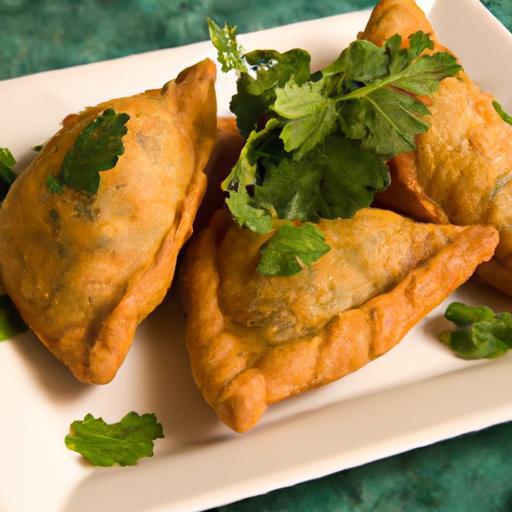
Golden triangles of pure joy, crispy vegetable samosas have long been a beloved treasure in Indian cuisine. These delightful pastries, bursting with spiced potatoes, peas, and sometimes a medley of other vegetables, offer a perfect harmony of textures and flavors that dance on the palate. whether enjoyed as a street-side snack or a festive appetizer, samosas capture the essence of India’s rich culinary heritage-where tradition meets taste in every crunchy bite. In this article, we’ll explore the origins, ingredients, and secrets behind crafting these irresistible crispy vegetable samosas, inviting you to savor a flavorful Indian delight that transcends borders and generations.
Crispy Vegetable Samosas: A Flavorful Indian Delight
Crispy Vegetable Samosas are an irresistible Indian classic, loved for their golden, flaky exterior and the vibrant medley of spiced vegetables tucked inside. Originating from the bustling streets of India, these savory pastries have a rich history as festive snacks and comfort food. From my first bite at a family gathering to mastering the perfect fold in my own kitchen, this dish connects tradition with the joy of creating something truly flavorful and crispy at home.
Prep and Cook Time
- Preparation: 30 minutes
- Cooking: 20 minutes
- Total Time: 50 minutes
Yield
Makes approximately 18 medium-sized samosas
Difficulty Level
Medium – Perfect for adventurous home cooks ready to hone their folding and frying skills.
Ingredients
- For the Dough:
- 2 cups all-purpose flour, sifted
- 4 tbsp oil or melted ghee
- 1/2 tsp salt
- About 3/4 cup water, warm
- For the Filling:
- 2 medium potatoes, boiled and diced
- 1 cup finely chopped green beans, blanched
- 1/2 cup grated carrot
- 1/2 cup peas, fresh or frozen
- 1 small onion, finely chopped
- 2 green chilies, finely chopped (adjust to taste)
- 1 tsp cumin seeds
- 1 tsp mustard seeds
- 1/2 tsp turmeric powder
- 1 tsp garam masala
- 1 tsp coriander powder
- 1 tbsp fresh cilantro, chopped
- Salt to taste
- 2 tbsp oil for sautéing
- For Frying:
- Vegetable oil (enough for deep frying)
Choosing the Perfect Vegetables for the Ultimate Crispy Texture
When aiming for the ideal crispy vegetable samosas, the selection of vegetables plays a pivotal role. Starchy potatoes form a hearty base that lends structure and balance.Adding crisp green beans and grated carrots contributes contrasting textures without excess moisture, which can compromise crispiness during frying. Peas introduce pops of sweetness and freshness, while finely chopped onions and green chilies inject savory heat and depth.Ensure vegetables are well-drained and chopped uniformly for even cooking and a satisfying bite.
Mastering the Art of Wrapping Samosas for Flawless Crispiness
Wrapping samosas is an art that directly impacts their crunch factor. Roll the dough thin, about 1/16 inch, to achieve a delicate yet robust shell. Cut into even strips, then form tight cones that hold their shape without overstuffing. Using a simple water-and-flour paste as glue ensures a strong seal that prevents oil from seeping into the filling, preserving crispness. Practice gentle yet firm folds – the sharper the edges, the more inviting the final golden crunch.
Spices and Seasonings that Elevate Your Vegetable Filling
A thoughtfully spiced filling awakens the senses beyond texture. The earthy warmth of cumin and mustard seeds temper the vegetables’ sweetness,while turmeric adds golden hue and subtle bitterness. Garam masala, with its complex blend of cinnamon, cloves, and cardamom, imparts a fragrant finish. Fresh cilantro lifts the profile with bright herbal notes. Don’t rush sautéing spices; blooming them in hot oil until aromatic unlocks layers of flavor in every bite of your crispy vegetable samosas.
Expert Tips for Frying Samosas to Golden Perfection
Achieving that perfect golden exterior requires careful temperature control. Heat vegetable oil to approximately 350°F (175°C) before adding samosas; too hot and they darken outside but remain uncooked inside, too cool and they turn oily and soggy. Fry in small batches to maintain consistent oil temperature. Use a slotted spoon to gently turn each samosa, allowing for even browning over 4-6 minutes. Drain on paper towels immediately to absorb excess oil, preserving the delightful crunch that defines these Indian treats.
Instructions
- Prepare the Dough: In a large bowl, combine all-purpose flour, salt, and oil. Mix well. Gradually add warm water, kneading gently to form a smooth, firm dough. Cover with a damp cloth and let rest for 30 minutes.
- Make the Filling: Heat 2 tbsp oil in a pan over medium heat. Add cumin seeds and mustard seeds. When they begin to pop, add onions and green chilies; sauté until soft.
- Add turmeric powder, coriander powder, and stir for 30 seconds. Then add potatoes, green beans, carrots, peas, and salt. Cook for 5 minutes, stirring occasionally, allowing flavors to meld and excess moisture to evaporate.
- Finish with garam masala and fresh cilantro; mix thoroughly and remove from heat. Let cool completely.
- Roll and Shape: Divide dough into golf-ball-sized portions. Roll each into thin oval discs. cut each disc into halves.
- Form cones by folding the straight edge of a half-disc into a triangle shape, sealing the edge with water-flour paste.
- Fill each cone with 1-2 tablespoons of vegetable filling, then seal the open edges tightly, again using the paste. Ensure no gaps for a crispy shell.
- Fry: Heat oil in a deep, heavy-bottomed pan to 350°F (175°C). Fry samosas in small batches, turning gently, until golden and crisp (about 5 minutes).
- Transfer to paper towels to drain oil. Serve warm.
Chef’s Notes
- Make Ahead: Prepare filling and dough a day in advance.Store separately refrigerated. Assemble just before frying for best texture.
- Vegetable Variations: Swap green beans with finely chopped cauliflower or bell peppers for seasonal twists.
- Oil temperature: use a thermometer for accuracy. Maintaining 350°F is vital for perfect crispy vegetable samosas.
- Gluten-Free Option: Try chickpea flour (besan) dough with additional binding agents like xanthan gum for similar texture.
- Air Fryer Tip: Spray samosas lightly with oil; cook at 375°F for 12-15 minutes, flipping halfway for healthier crispy treats.
Serving Suggestions
Present your samosas on a vibrant platter garnished with fresh cilantro leaves and thin lemon wedges. Accompany with conventional tamarind-date chutney for tangy sweetness and cool mint-coriander chutney to brighten each bite. Pair with a cup of masala chai for an iconic Indian snack experience.For festive occasions, add a sprinkle of chaat masala on top for an added zing that tempts every palate.

Nutrition Information
| Nutrient | Per Samosa (approx.) |
|---|---|
| Calories | 150 |
| Protein | 3g |
| Carbohydrates | 21g |
| Fat | 6g |
Explore more appetizing Indian snacks like our Paneer Tikka recipe and dive deeper into the world of spices with the Spices Inc official guide.
Q&A
Q&A: crispy Vegetable Samosas – A Flavorful Indian Delight
Q1: What exactly are vegetable samosas?
A1: Vegetable samosas are savory pastries originating from Indian cuisine,filled with a spiced mixture of vegetables like potatoes,peas,carrots,and sometimes lentils.Wrapped in a thin dough and deep-fried, they emerge as golden, crispy pockets bursting with flavorful warmth and texture.
Q2: what makes samosas so crispy and delicious?
A2: The crispiness comes from the careful preparation of the dough, which is typically made with flour, a bit of oil or ghee, and water, rolled out thin and sealed tightly around the filling.Deep frying at the right temperature creates that signature crunchy exterior while keeping the filling soft and aromatic.
Q3: Are vegetable samosas healthy?
A3: When made with fresh vegetables and moderate oil, vegetable samosas can be a wholesome snack packed with fiber, vitamins, and protein. Choosing baking or air-frying as alternative cooking methods can reduce oil content, making them a lighter option without sacrificing taste.
Q4: Can samosas be customized beyond the traditional filling?
A4: Absolutely! While the classic potato and pea mix is beloved, samosas lend themselves beautifully to experimentation. You can try fillings like spiced spinach and paneer, mixed vegetables with herbs, or even sweet versions with coconut and jaggery for dessert samosas.
Q5: What spices are typically used in vegetable samosas?
A5: A symphony of Indian spices brings samosas to life-cumin seeds, coriander powder, garam masala, turmeric, and sometimes amchur (dried mango powder) for tanginess. These spices blend perfectly to create the distinctive warmth and complexity inside every bite.
Q6: How are samosas traditionally served?
A6: Samosas are most commonly enjoyed hot and fresh, often accompanied by vibrant chutneys like tangy tamarind, cooling mint-coriander, or spicy tomato. These sauces enhance the flavor by adding a burst of contrast to the crispy, savory pastry.
Q7: Is making samosas at home complicated?
A7: While samosas can be a bit labor-intensive due to rolling and folding, the process is rewarding and fun! With some practice, you can easily master the art of wrapping perfect samosas and impress family and friends with homemade Indian street food.
Q8: What occasions are samosas perfect for?
A8: Samosas are a versatile treat, suitable for festive celebrations, afternoon tea, parties, or simply as a comforting snack. Their portability and satisfying crunch make them ideal for gatherings big and small.
Q9: Can samosas be made gluten-free or vegan?
A9: Yes! The filling is naturally vegan, and by using gluten-free flour blends for the dough, samosas can be adapted for gluten-free diets without losing flavor. Experimenting with different flours and plant-based fats helps keep these delights inclusive for all food preferences.
Q10: Why do samosas hold such a special place in Indian cuisine?
A10: Samosas encapsulate the essence of Indian cooking-rich textures, bold spices, and comforting flavors wrapped in a simple, elegant form. They connect cultures and generations, offering a delicious gateway into the vibrant world of Indian culinary tradition.
Future Outlook
In the world of Indian cuisine, crispy vegetable samosas stand out as a perfect harmony of texture and taste-a golden, crunchy shell embracing a vibrant, spiced vegetable filling. Whether enjoyed as a rapid snack, a festive appetizer, or a comforting treat, these delightful pastries offer more than just flavor; they carry a rich cultural heritage that has traveled through centuries and across continents. So next time you bite into a samosa, remember you’re not just tasting a snack-you’re savoring a story of tradition, warmth, and the timeless joy of sharing food.