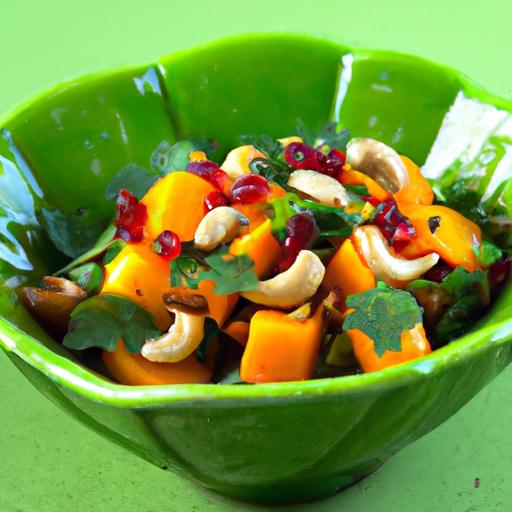

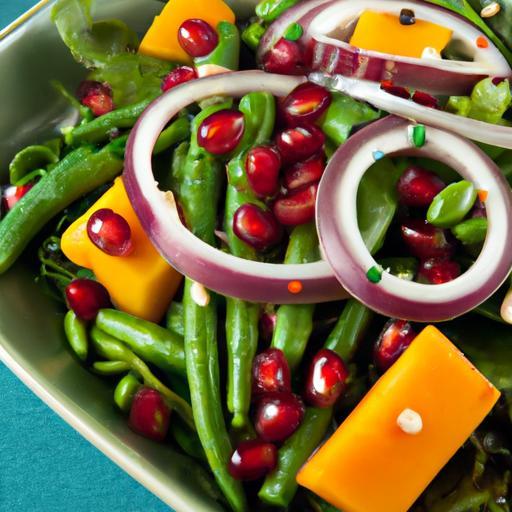
As the seasons shift and the air turns crisper, our bodies crave nourishment that not only delights the palate but also fortifies our defenses. Boosting immunity isn’t just about supplements and rest-it begins on the plate. Imagine vibrant, wholesome dishes bursting with nature’s freshest offerings, each bite a colorful celebration of wellness. In this article, we’ll explore a curated collection of flavorful seasonal recipes designed to strengthen your immune system naturally.From antioxidant-rich fruits to nutrient-packed vegetables and aromatic herbs, discover how eating with the season can transform your health and keep you thriving all year long. Let’s embark on a flavorful journey to stay well, energized, and resilient-one scrumptious recipe at a time.
Boost Your Immunity is more than just a goal-it’s a delicious journey through nature’s seasonal bounty, crafted to nourish your body and excite your palate. Harnessing the vibrant colors and flavors of fresh produce available year-round, this approach to cooking transforms ordinary meals into powerful nutrient-packed delights, specifically designed to support your immune system. From the zingy brightness of citrus in winter to the earthy richness of root vegetables in autumn, selecting ingredients with targeted health benefits helps you thrive through every season.
Prep and Cook Time
- prep Time: 15 minutes
- Cook Time: 25 minutes
- Total Time: 40 minutes
Yield
Serves 4
difficulty Level
Easy
Ingredients
- 2 cups fresh kale, washed and chopped
- 1 medium carrot, peeled and julienned
- 1 cup butternut squash, diced
- 1 red bell pepper, sliced thinly
- 1 small red onion, thinly sliced
- 3 cloves garlic, minced
- 1 tablespoon fresh ginger, grated
- 1 tablespoon extra virgin olive oil
- 1 teaspoon turmeric powder
- Juice of 1 lemon
- 1/4 cup cooked quinoa (optional, for added protein)
- Salt and freshly ground black pepper to taste
- 2 tablespoons chopped fresh parsley for garnish
Instructions
- Heat the olive oil in a large skillet over medium heat. add the minced garlic and grated ginger, sautéing until fragrant-about 1 minute. Be careful not to burn them.
- Add the diced butternut squash and cook for 8 minutes, stirring occasionally, until tender and slightly caramelized.
- Sprinkle turmeric powder over the squash and stir well to coat, allowing its warm, earthy aroma to bloom.
- Add the sliced onion, red bell pepper, and shredded carrot to the skillet. Sauté for another 5 minutes until vegetables are just tender but still crisp, stirring to combine flavors evenly.
- Stir in the chopped kale and cook until wilted, about 3 minutes, while seasoning the mixture with salt and freshly ground black pepper to your preference.
- Remove from heat and drizzle the lemon juice over the skillet contents to brighten flavors and enhance vitamin C availability for immune support.
- Fold in the cooked quinoa if using, warming it through gently for 2 minutes to integrate the grains.
- Serve instantly, garnished with freshly chopped parsley to add a burst of color and herbaceous note.
Tips for Success
- Freshness is key: Choose vibrant, crisp vegetables with no blemishes to maximize nutrient density and flavor.
- Turmeric activation: Adding a pinch of black pepper enhances curcumin absorption, so don’t skip seasoning generously.
- Make-ahead prep: Chop vegetables and cook quinoa up to a day in advance to reduce hands-on time after work.
- Substitutions: Swap kale for swiss chard or spinach depending on seasonal availability, maintaining similar nutrient profiles.
- Boost umami: For an extra savory depth, sprinkle toasted sesame seeds or drizzle a tablespoon of toasted sesame oil just before serving.
Serving Suggestions
Enjoy this vibrant medley as a standalone light meal or pair it with grilled chicken or baked fish for added protein. Spoon over a bed of creamy mashed sweet potatoes or fresh whole grain bread to create a balanced plate. Garnish with a lemon wedge and a sprinkle of chili flakes if you like a gentle heat that complements the earthy turmeric. For a refreshing contrast, serve alongside a chilled cucumber mint salad that cleanses the palate beautifully.

| Nutrition Per Serving | Calories | Protein | Carbs | Fat |
|---|---|---|---|---|
| Seasonal Veggie Medley with quinoa | 210 kcal | 7 g | 30 g | 6 g |
Why This Recipe Supports Immunity
The combination of kale,butternut squash,and red bell pepper delivers a powerhouse of vitamins A and C,critical to boosting white blood cell production and protecting against oxidative damage. Ginger and garlic contribute potent anti-inflammatory and antimicrobial compounds,while turmeric offers curcumin – an immune-enhancing phytonutrient.Cooking lightly preserves thes benefits,and the lemon juice adds a final vitamin C boost that your body can readily absorb.
For more insights on harnessing seasonal produce in your kitchen,explore our detailed guide on How to Cook Seasonally for Ultimate Wellness. to deepen your understanding of immune-supportive nutrients, check the latest research from the national Institutes of health Immunology Resources.
Q&A
Q&A: Boost Your Immunity with Delicious Seasonal Recipes
Q1: Why is it crucial to focus on seasonal ingredients to boost immunity?
A1: Seasonal ingredients are packed with peak nutrients as they’re harvested at the right time,ensuring maximum freshness and flavor. This means your body gets a powerful dose of vitamins, antioxidants, and minerals that support your immune system naturally.Plus, choosing local and seasonal produce helps you connect with your surroundings and encourages sustainable eating habits.
Q2: Which seasonal fruits are best for enhancing immunity during colder months?
A2: Citrus fruits like oranges,grapefruits,and mandarins shine in winter,delivering an abundant source of vitamin C,a superstar nutrient for immune defense. Additionally, kiwis, pomegranates, and persimmons offer unique antioxidant blends that combat oxidative stress and keep your immune cells energized.
Q3: What types of vegetables should I include in my meals to stay well year-round?
A3: Leafy greens such as kale, spinach, and Swiss chard are loaded with vitamins A, C, and K, plus folate and fiber. Root vegetables like sweet potatoes and carrots provide beta-carotene, which converts to vitamin A and plays a vital role in maintaining mucous membranes, the body’s first line of defense against pathogens.
Q4: Can herbs and spices really improve immune health? Which ones are best to use in cooking?
A4: Absolutely! Herbs and spices are tiny nutrition powerhouses with potent anti-inflammatory and antimicrobial properties. Garlic and ginger are classics known for their immune-boosting effects. Turmeric’s active compound, curcumin, supports immune modulation, while fresh rosemary and thyme can add antioxidant-rich flair to your dishes.
Q5: How can I prepare meals that are both delicious and supportive of my immune system?
A5: Think colorful plates bursting with a variety of textures and flavors-roasted veggies caramelized to perfection, vibrant fruit salads sprinkled with nuts and seeds, cozy soups brimming with garlic, herbs, and seasonal greens.Use simple cooking techniques like steaming or light roasting to preserve nutrients and enhance natural tastes.
Q6: Are there any easy snack ideas to help keep immunity strong throughout the day?
A6: Yes! trail mixes with raw nuts, pumpkin seeds, and dried berries offer a crunchy, nutrient-dense boost.Sliced apples or pears with almond butter provide fiber and healthy fats, while warm golden milk made with turmeric and plant-based milk is a comforting immune tonic before bedtime.
Q7: How does hydration play a role in immune health during seasonal changes?
A7: Staying well-hydrated helps your body flush out toxins and supports the flow of lymph, which carries immune cells. Herbal teas made from echinacea, elderberry, or chamomile not only keep you hydrated but also deliver immune-enhancing phytochemicals, creating a delicious and nourishing habit.
Q8: Can I boost immunity through plant-based proteins? What are some seasonal options?
A8: Plant proteins are fantastic for immune health as they provide essential amino acids and micronutrients without inflammatory baggage. Lentils, chickpeas, and quinoa are versatile staples, and seasonal favorites like hearty squash seeds or chestnuts add variety and richness to your meals.
Q9: What mindset should I bring when cooking to truly support my wellbeing?
A9: Cooking with intention transforms meal prep into self-care. Embrace the process as a joyful ritual-a chance to nourish your body, celebrate seasonal abundance, and connect with your senses. This positive mindset boosts digestion, absorption, and overall satisfaction, making your immune-boosting journey both effective and delightful.
The Way Forward
As the seasons change, so do our bodies’ needs-and nourishing yourself with vibrant, immune-boosting ingredients is one of the most delicious ways to stay resilient and energized. By embracing these flavorful seasonal recipes,you’re not just crafting meals; you’re cultivating wellness from the inside out. So, let your kitchen be a sanctuary of health where every bite supports your body’s natural defenses. Here’s to savoring the tastes of the season while giving your immunity the tasty boost it deserves-as staying well never tasted so good.