
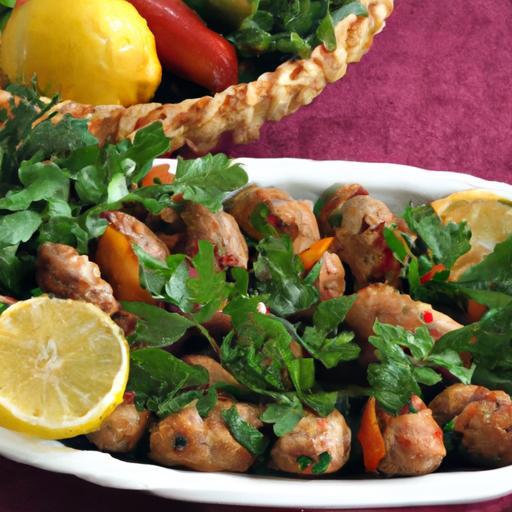
As the sun dips below the horizon and the call to Maghrib prayer echoes, families around the world prepare to break their fast with a meal that is both nourishing and celebratory. Ramadan, a month of reflection and devotion, is also a time to gather around the table and enjoy a feast that delights the senses and fuels the spirit. Central to this evening ritual are the iftar main courses-hearty, flavorful dishes that transform the simple act of breaking fast into a cherished tradition. From fragrant rice and tender meats to vibrant vegetarian specialties, these delicious iftar main courses invite you to savor every bite while honoring the rich cultural tapestry of ramadan. Join us as we explore some of the most beloved and mouthwatering dishes that make iftar a truly unforgettable experience.
Exploring Traditional Flavors That Define Ramadan Iftar
Delicious Iftar Main Courses to Savor This Ramadan bring together the rich tapestry of regional spices, wholesome ingredients, and heartwarming aromas that transform the iftar table into a feast of heritage and nourishment. These dishes not only replenish yoru energy after a day of fasting but also offer a sensory journey through traditions cherished for centuries.
One iconic example that beautifully encapsulates these traditional flavors is Mansaf,the festive Jordanian lamb and yogurt rice dish known for its comforting richness and communal spirit. With tender lamb simmered to perfection in a saffron-infused broth, layered atop fragrant rice and adorned with crunchy pine nuts, it’s a dish that invites both reflection and party. Embarking on these recipes reconnects us to the essence of Ramadan-sharing,gratitude,and family.
Prep and Cook Time
- Preparation Time: 30 minutes
- Cooking Time: 1 hour 15 minutes
Yield
serves 6 generous portions
Difficulty Level
Medium – Ideal for cooks familiar with layering flavors and tenderizing meat.
Ingredients
- 2 lbs lamb shoulder, bone-in, cut into large chunks
- 4 cups plain full-fat yogurt, well-stirred
- 3 cups basmati rice, rinsed and soaked for 30 minutes
- 6 cups water or lamb broth
- 2 teaspoons ground turmeric
- 1 teaspoon ground allspice
- 1 large onion, finely chopped
- 4 cloves garlic, minced
- 1/4 cup olive oil
- 1/2 cup pine nuts, toasted
- 1/2 cup slivered almonds, toasted
- Salt and freshly ground black pepper, to taste
- Fresh flat-leaf parsley, chopped for garnish
- Large Arabic flatbread (optional), for serving
Instructions
- Prepare the lamb broth: In a large heavy-bottomed pot, heat olive oil over medium heat. Add chopped onion and sauté until translucent and aromatic, about 7 minutes.
- Add minced garlic and stir for 1 minute more to release fragrance.
- Brown the lamb pieces: Season lamb chunks with salt, pepper, turmeric, and allspice. Add to the pot and brown on all sides, about 8-10 minutes, stirring occasionally.
- Pour in water or lamb broth, enough to cover the meat entirely. Bring to a boil, then reduce heat to low, cover, and simmer gently for 1 hour to tenderize the meat thoroughly.
- While the lamb cooks, rinse basmati rice under cold water until water runs clear, then soak for 30 minutes. Drain when ready.
- In a separate pot, bring 6 cups of water to a boil. Add the soaked rice along with a pinch of salt and 1 tablespoon olive oil. Cook the rice until just tender but still firm (al dente), about 8-10 minutes. Drain thoroughly.
- Prepare the yogurt sauce: In a medium bowl, whisk the yogurt until smooth. Temper by adding a few tablespoons of the hot lamb broth slowly to avoid curdling.
- Transfer the tempered yogurt to a large saucepan and heat gently over low heat,stirring constantly until warm but not boiling-about 5-7 minutes.
- Drain the lamb, reserving broth. Return lamb to the pot with a ladle of broth for moisture.
- Assemble the dish: In a large serving platter, place a thin layer of Arabic flatbread (if using). Spread the cooked rice evenly over the bread or directly on the plate. spoon warm yogurt sauce generously over the rice, then layer the tender lamb pieces on top.
- Sprinkle toasted pine nuts and slivered almonds for an irresistible crunch and nutty aroma.
- Garnish with fresh chopped parsley to add a vibrant green contrast and fresh herbaceous brightness.
- Serve immediately with chilled cucumber and tomato salad or pickled vegetables to balance the richness.
tips for Success
- Yogurt Tempering: Always temper yogurt with warm broth to prevent curdling and achieve a silky sauce.
- Rice Texture: Par-cooking rice helps maintain a fluffy texture that won’t become mushy when combined with yogurt and meat.
- make-Ahead Option: You can prepare the lamb and broth a day earlier; gently reheat and assemble just before serving to intensify flavors.
- Substitutions: For a lighter version, swap lamb with bone-in chicken thighs and reduce simmering time accordingly.
- Toast Nuts Carefully: Watch toasted nuts closely; they can burn quickly but add essential texture and aroma.
Serving Suggestions
Present the dish on a large communal platter to invite sharing, true to Ramadan’s spirit. Garnish with extra fresh parsley sprigs and scatter a few edible rose petals for an elegant touch. Complement with a side of fresh mint tea or a sparkling chilled pomegranate juice to refresh the palate after the richness of lamb and yogurt.

| Nutritional Info (per serving) | calories | Protein | Carbs | Fat |
|---|---|---|---|---|
| mansaf (Lamb & yogurt Rice) | 680 kcal | 45 g | 55 g | 28 g |
For a deeper dive into aromatic Middle Eastern spices ideal for Ramadan, you may enjoy our Guide to Arab Spices for Ramadan.additionally,the Encyclopedia britannica on Iftar customs offers rich cultural insight on Ramadan traditions worldwide.
Q&A
Q&A: Delicious Iftar Main Courses to Savor This Ramadan
Q1: What makes an ideal main course for Iftar during Ramadan?
A: An ideal Iftar main course strikes the perfect balance between nourishment and flavor. After a day of fasting, the body craves something wholesome yet not too heavy-a dish rich in protein, fiber, and essential nutrients that replenishes energy without causing sluggishness. additionally, vibrant spices and fresh ingredients awaken the palate, making the meal both satisfying and invigorating.
Q2: Which cuisines offer flavorful and traditional main dishes suitable for Iftar?
A: Middle Eastern, South asian, North African, and Mediterranean cuisines are treasure troves of Iftar-kind main courses.Think of aromatic Moroccan tagines, fragrant Indian biryanis, hearty Lebanese stuffed vegetables, or savory Turkish kebabs-all designed to deliver bold flavors while respecting dietary traditions.
Q3: Can you suggest some protein-rich main courses that are both nutritious and delicious?
A: Absolutely! Grilled chicken marinated in turmeric and sumac, slow-cooked lamb stews with apricots and almonds, chickpea and spinach curry simmered to perfection, and baked fish with za’atar and lemon are excellent protein-packed options.These dishes foster satiety and provide vital nutrients to rejuvenate the body after fasting.
Q4: How critically important is incorporating vegetables into Iftar main dishes?
A: Vegetables play a vital role in Iftar meals by adding fiber, vitamins, and refreshing flavors that complement the proteins. Roasted eggplants stuffed with rice and herbs, sautéed greens with garlic and lemon, and mixed vegetable stews help balance the meal and promote digestion, which is essential after a long fast.
Q5: What are some creative ways to prepare rice for an unforgettable Iftar main?
A: Rice can be transformed beyond the ordinary by infusing it with fragrant spices like cinnamon, cardamom, and cloves, then cooking it with nuts, dried fruits, or roasted vegetables. Dishes like saffron-infused biryani with tender meat or vegetable pilaf studded with pomegranate seeds add a burst of color and flavor, making the meal festive and inviting.
Q6: how can I make a vegetarian main course that feels hearty and satisfying for Iftar?
A: To create a hearty vegetarian main, combine legumes, grains, and vegetables in a single dish. Lentil and pumpkin stew, stuffed bell peppers with quinoa and walnuts, or a rich eggplant and chickpea tagine offer textures and tastes that fill and comfort, proving that meat-free meals can be just as indulgent.
Q7: what role do spices play in crafting memorable Iftar main courses?
A: Spices are the soul of Ramadan cuisine. They elevate simple ingredients into vibrant dishes, weaving warmth and depth into each bite.Cumin, coriander, turmeric, cinnamon, and sumac, among others, awaken the senses, encourage digestion, and honor centuries of culinary tradition that celebrate Ramadan’s spirit of community and gratitude.
Q8: Can I prepare Iftar mains ahead of time without sacrificing freshness or taste?
A: Yes! Many Iftar mains like stews, casseroles, and marinades develop richer flavors when prepared in advance. slow-cooked dishes, in particular, often taste even better after resting. Just store them properly and reheat gently to maintain texture and vibrancy, so you can focus more on gathering with loved ones rather of last-minute cooking.
Q9: Any tips for balancing indulgence and health in Iftar main courses?
A: Moderation is key. Choose dishes that feel indulgent through fresh, natural ingredients rather than heavy creams or excessive oil. Pair rich mains with fresh salads or light soups to support digestion. Listening to your body’s post-fast needs ensures you enjoy delicious meals that nourish without overwhelming.
Q10: How can I incorporate tradition without sacrificing creativity when preparing Iftar mains?
A: Honor the essence of traditional recipes while experimenting with new ingredients, cooking techniques, or presentation styles. Swap a familiar protein for a novel vegetable, add unexpected spice blends, or serve dishes family-style with fresh dips and breads. This approach keeps the spirit of Ramadan alive while delighting adventurous taste buds.
This Q&A offers insights into crafting delicious and wholesome main courses for Iftar, blending tradition, nutrition, and creativity for a truly memorable Ramadan feast.
Concluding Remarks
as the sun dips below the horizon and the call to iftar beckons, these delicious main courses offer more than just nourishment-they bring warmth, tradition, and a moment of shared joy to your Ramadan table. Whether you prefer rich, aromatic stews or vibrant, spice-kissed grills, these dishes are sure to transform your evening meal into a celebration of flavor and faith. Embrace the spirit of ramadan by savoring each bite, knowing that every dish carries stories of heritage, togetherness, and gratitude. So,gather your loved ones,set the table,and let these mouthwatering mains be the heart of a truly unforgettable iftar.