
In today’s fast-paced world, finding time to prepare nutritious meals can feel like a superpower reserved for the organized few. Enter batch cooking-the culinary secret weapon that transforms your kitchen hustle into a streamlined, time-saving art form. Imagine having a fridge full of ready-to-go, wholesome dishes that fuel your body and delight your taste buds all week long. Whether you’re a busy professional, a health-conscious parent, or simply someone craving more ease in mealtime routines, this guide will unlock the simple strategies and savvy tips to make batch cooking not just doable, but downright enjoyable. Get ready to reclaim your evenings and embrace a healthier, happier way to eat!
Planning your Week of Nourishing Meals with simple Batch Cooking Strategies
Batch Cooking Made Easy: Your Guide to Healthy Meals Weekly opens the door to efficient meal prep that nourishes both body and soul. Imagine dedicating just a few hours once or twice per week to create wholesome, flavorful dishes that keep you energized from Monday through sunday. This transformative approach not only saves precious time but also reduces stress and food waste, making your kitchen a hub of creativity and vitality. Whether you’re balancing work, family, or personal goals, mastering batch cooking empowers you to savor nutritious meals every day without the last-minute scramble.
Prep and Cook Time
Preparation: 20 minutes
Cooking: 40 minutes
Total Time: 1 hour
Yield
Serves 4-6 generously
Difficulty Level
Easy to medium
Essential Tools and Ingredients to Streamline Your Meal Prep Experience
Streamlining your batch cooking adventure starts with assembling the right tools and pantry staples. Equip your kitchen with a set of quality glass or BPA-free plastic airtight containers of varying sizes for versatile storage. A large non-stick skillet works wonders for swift sautéing, while a sturdy sheet pan is perfect for roasting vibrant vegetables and proteins simultaneously.
Stock your pantry with quinoa, brown rice, and canned beans for hearty bases, alongside a variety of fresh and frozen vegetables such as bell peppers, spinach, and carrots. Keep your spice rack lively with essentials like smoked paprika, cumin, and garlic powder, which deliver robust flavor with minimal effort.
Step by step Guide to crafting Balanced and Flavorful Batch-Cooked Dishes
- Plan with purpose. Before you begin, map out your meals for the week. Choose recipes with overlapping ingredients to reduce waste and maximize freshness.
- Prep smartly. Wash and chop vegetables in bulk. Pre-measure spices and sauces to streamline the cooking process.
- Cook grains and legumes simultaneously. Use a large pot or rice cooker to prepare your quinoa or brown rice while simmering beans separately. This parallel approach saves valuable time.
- Sauté aromatics for a flavor foundation. Onion, garlic, and fresh herbs sautéed in olive oil will deepen the flavor of any dish you’re preparing.
- Layer your proteins and vegetables. Opt for lean chicken breast, chickpeas, or firm tofu. Roast or sauté them with your prepped veggies, seasoning well to create rich, complex taste profiles.
- Assemble your meals. Combine grains, proteins, and vegetables into containers. For added texture and freshness, leave room for optional garnishes like chopped nuts or fresh herbs.
Smart Storage Tips to Keep Your Meals Fresh and Ready to Enjoy Throughout the Week
Preserving freshness is pivotal to sustaining flavor and nutrition in your batch-cooked dishes. Cool cooked foods at room temperature for no more than an hour before refrigerating to prevent condensation that might cause sogginess.Use airtight containers with vented lids that allow steam to escape if reheating in the microwave.
Label your containers with meal names and dates using masking tape or chalk markers to keep track easily. Freeze portions that won’t be consumed within four days to maintain peak freshness. When reheating, sprinkle a few drops of water over grains or roasted veggies to rejuvenate moisture and avoid dryness.
Incorporate a rapid fresh element by adding chopped herbs, a squeeze of lemon, or a drizzle of high-quality olive oil just before serving to elevate your meal from prepared to plated.
Ingredients for a Nourishing Batch-Cooked Grain Bowl
- 1 ½ cups quinoa, rinsed and drained
- 3 cups low-sodium vegetable broth
- 2 tbsp olive oil, divided
- 1 large red onion, diced
- 3 cloves garlic, minced
- 2 medium carrots, peeled and sliced into half-moons
- 1 red bell pepper, diced
- 1 cup frozen corn
- 1 can (15 oz) chickpeas, drained and rinsed
- 1 tsp smoked paprika
- 1 tsp ground cumin
- Salt and freshly ground black pepper, to taste
- ½ cup fresh parsley, chopped
- Juice of 1 lemon
- Optional: ¼ cup toasted pumpkin seeds for garnish
Instructions
- Cook the quinoa: In a medium saucepan, bring the vegetable broth to a boil. Stir in quinoa, reduce heat to low, cover, and simmer for 15 minutes. Remove from heat and let it sit covered for 5 minutes before fluffing with a fork.
- While quinoa cooks, heat 1 tablespoon of olive oil in a large skillet over medium heat. Add diced onion and sauté until translucent, about 4 minutes.
- Add minced garlic, carrots, and red bell pepper to the skillet.Cook until vegetables are tender-crisp, about 6 minutes, stirring occasionally.
- Stir in frozen corn and chickpeas. Sprinkle smoked paprika,cumin,salt,and pepper. Cook for another 5 minutes until heated through and fragrant.
- Transfer cooked vegetables and legumes into a large mixing bowl. Add the fluffed quinoa, remaining tablespoon of olive oil, fresh parsley, and lemon juice. Toss gently to combine all flavors evenly.
- Divide the mixture into airtight containers. Allow to cool entirely before sealing.
- store in the refrigerator for up to 4 days or freeze individual portions for longer storage.
Chef’s Notes & Tips for Success
- Customize your protein: Swap chickpeas for cooked lentils or cubed firm tofu for a plant-based or vegetarian option.
- veggie swap: Include seasonal vegetables like zucchini or leafy kale for variety and nutrients.
- Flavor booster: Add a spoonful of harissa or tahini sauce during serving to enhance depth and richness.
- Batch prep hack: Cook quinoa and veggies on separate pans simultaneously if you have limited stovetop space.
- Reheat tip: Warm your meal in a skillet instead of a microwave to preserve texture and flavor.
Serving Suggestions
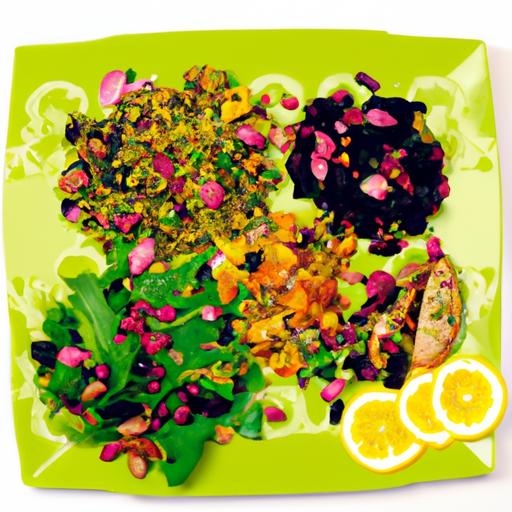
Serve your nourishing grain bowl warm or at room temperature. Garnish with a sprinkle of toasted pumpkin seeds for crunch and a wedge of lemon to squeeze on top just before eating. A side of fresh mixed greens dressed lightly with a vinaigrette complements this dish beautifully,bringing crispness and brightness to every bite.

| Nutrient | Per Serving |
|---|---|
| Calories | 350 kcal |
| Protein | 12 g |
| Carbohydrates | 50 g |
| Fat | 8 g |
Discover more creative batch cooking methods in our Healthy Vegetarian Batch Cooking Ideas article.
For detailed nutritional guidance, consult the Academy of Nutrition and Dietetics official website.
Q&A
Batch Cooking Made easy: Your Guide to Healthy Meals Weekly
Q&A
Q1: What exactly is batch cooking, and why should I consider it?
A1: Batch cooking is the art of preparing large quantities of meals or meal components in one cooking session, then storing them for easy, healthy eats throughout the week. It’s like creating your personal food library-always ready, always nutritious, and a total time-saver on busy days. Think of it as investing a few hours upfront to reclaim hours later while boosting your wellness game.
Q2: How can I start batch cooking without feeling overwhelmed?
A2: Start small and simple! Choose two or three recipes that share some ingredients to minimize shopping and prep. Begin with staples like grains, roasted veggies, and lean proteins that store well. Equip your kitchen with good-quality storage containers and label everything clearly. Remember, planning is your best friend: map out your week before you dive in.
Q3: Which ingredients work best for batch cooking healthy meals?
A3: Versatility is key! think hearty grains like quinoa,brown rice,or farro; vibrant veggies such as sweet potatoes,bell peppers,and kale; and lean proteins like chicken,lentils,chickpeas,or tofu. These ingredients hold up well in the fridge or freezer and can transform into salads, bowls, or wraps with a splash of your favorite sauce.
Q4: How do I keep batch-cooked meals fresh and tasty throughout the week?
A4: Proper storage is the secret sauce. Use airtight containers, cool your food before sealing, and refrigerate or freeze promptly. For freshness, keep dressings and crunchy toppings separate until serving time. Rotate meals within 3-4 days from the fridge, or freeze portions to extend shelf life. Reheating with a pinch of herbs or a squeeze of lemon revitalizes flavors beautifully.
Q5: Can batch cooking accommodate special diets or preferences?
A5: Absolutely! Batch cooking is incredibly adaptable. Whether you’re plant-based, gluten-free, or focused on low-carb, you can tailor your ingredient list and recipes accordingly. Swap proteins,experiment with diffrent veggies,and customize spices to keep your meals exciting and aligned with your lifestyle.
Q6: What are some fun ways to reinvent batch-cooked meals so I don’t get bored?
A6: Sprinkle on new dressings, add contrasting textures like nuts or seeds, or blend cooked veggies into a warming soup. Use leftovers as fillings for wraps, mix into grain bowls with fresh herbs, or turn proteins into hearty salads. Your batch-cooked base is like a blank canvas-keep painting with fresh flavors each day!
Q7: How much time does batch cooking typically take, and is it worth it?
A7: Depending on the number of recipes, batch cooking sessions usually take 1-3 hours. This might seem like a chunk of time upfront, but it more than pays off as you avoid daily meal stress, impulsive eating, and extra trips to the grocery store. Once you find your rhythm, it feels less like multitasking and more like an enjoyable cooking ritual.
Q8: What kitchen tools make batch cooking easier and more efficient?
A8: A sharp chef’s knife,sturdy cutting boards,quality storage containers,and a reliable slow cooker or Instant Pot can revolutionize your batch cooking.Sheet pans for roasting veggies en masse and a food processor for chopping or blending can speed things up, letting you do more in less time!
Embark on your batch cooking journey with confidence-healthy, homemade meals are just a prep day away!
Future Outlook
As you embark on your batch cooking journey, remember that the key to success lies in preparation, creativity, and a dash of patience. by dedicating a few hours each week to crafting wholesome meals in advance, you’re not just saving time-you’re nurturing your health and reclaiming your evenings. Let this guide be your trusted companion, transforming the way you approach mealtime and turning the chaos of daily cooking into a seamless, satisfying ritual. Here’s to a week full of vibrant flavors,balanced nutrition,and the freedom to savor every bite without the rush. Happy cooking!