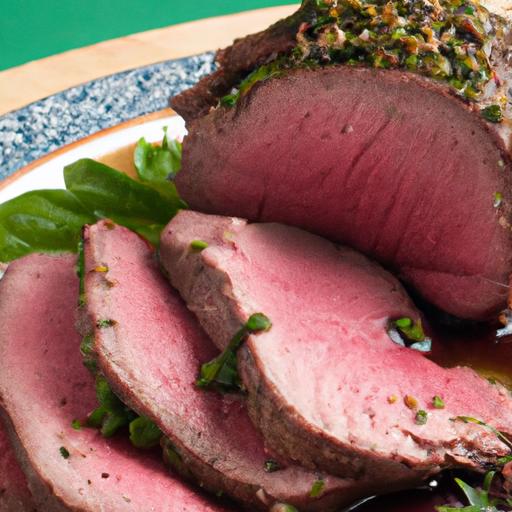

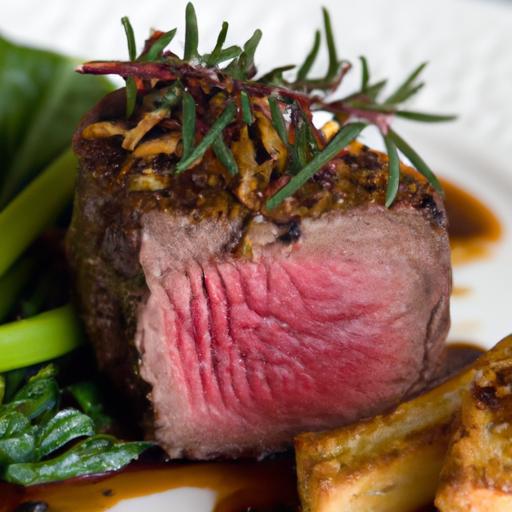
There’s something undeniably majestic about a beef tenderloin roast-the centerpiece that turns any meal into an occasion. But elevating this already prized cut from simply appetizing to absolutely unforgettable requires more than just a good sear and the right temperature. Enter the savory herb crust: a fragrant, flavorful armor that locks in juiciness while adding layers of aromatic complexity. In this article, we’ll unravel the secrets to perfecting your beef tenderloin roast with a herbaceous crust that sings with every bite, transforming your dinner into a culinary masterpiece worthy of celebration.
Perfecting Beef Tenderloin Roast with a Savory Herb Crust
Perfecting beef tenderloin roast with a savory herb crust is the ultimate way to celebrate a special meal with a centerpiece that exudes elegance, flavor, and melt-in-your-mouth tenderness.This cut-prized for its buttery texture and subtle, beefy flavor-transforms into a culinary masterpiece when enveloped in an aromatic herb crust and roasted to juicy perfection. Whether it’s a holiday feast or an intimate dinner, mastering this dish unlocks the secret to a flawless roast that truly impresses.
Choosing the Ideal Beef Tenderloin for Maximum Flavor and Tenderness
When aiming for the perfect beef tenderloin roast with a savory herb crust, starting with the right cut is essential. Opt for a center-cut beef tenderloin, also known as the filet mignon section, which offers consistent thickness and tenderness. Look for a piece approximately 2 to 3 pounds with a fine grain, firm texture, and a light marbling of fat to maximize flavor while preserving that signature tenderness. Ideally, choose USDA Choice or Prime grades for superior taste and juiciness.
Before cooking, allow the tenderloin to come to room temperature-this ensures even cooking throughout. Pat it dry with paper towels to achieve a beautifully caramelized crust when seared. The key is not just the cut, but respectful preparation that enhances its natural qualities.
Prep and Cook Time
- Preparation: 20 minutes
- Roasting: 30-40 minutes
- Resting: 15 minutes
- Total Time: Approximately 1 hour 15 minutes
Yield
Serves 6 to 8 guests generously
Difficulty Level
Medium – Great for home chefs eager to refine roasting techniques
Ingredients
- 1 whole beef tenderloin (about 2.5 to 3 lbs), trimmed
- 3 tbsp olive oil, divided
- 4 cloves garlic, minced
- 2 tbsp fresh rosemary, finely chopped
- 2 tbsp fresh thyme, finely chopped
- 1 tbsp fresh parsley, finely chopped
- 1 tsp coarse sea salt
- 1/2 tsp freshly ground black pepper
- 2 tbsp Dijon mustard
- 1 cup panko breadcrumbs
- 1/4 cup grated Parmesan cheese
Instructions
- Prepare the herb crust: In a medium bowl, combine the minced garlic, rosemary, thyme, parsley, panko breadcrumbs, Parmesan, 1 tablespoon of olive oil, salt, and pepper. Stir until well blended.
- Sear the tenderloin: Preheat a large oven-safe skillet over medium-high heat. Rub the tenderloin with the remaining 2 tablespoons of olive oil. When hot, sear the tenderloin on all sides until a deep golden-brown crust forms, approximately 2-3 minutes per side. This locks in juices and intensifies flavor.
- Apply Dijon mustard: Remove the tenderloin from heat and brush all over with Dijon mustard. This will act as a glue for the herb crust and add subtle tanginess.
- Press on the herb crust: Evenly coat the tenderloin surface with the herb and breadcrumb mixture, firmly pressing it in to adhere. Don’t skimp on the crust-it’s the flavor crown of the roast.
- Roast to perfection: Preheat your oven to 425°F (220°C). Place the skillet with the tenderloin into the oven. Roast until the internal temperature reaches 130°F (54°C) for medium-rare, about 30-40 minutes depending on thickness. Use a meat thermometer for accuracy.
- Rest the meat: Transfer the tenderloin to a cutting board tented loosely with foil. Rest for at least 15 minutes to allow juices to redistribute, ensuring every slice is juicy and tender.
- Carve and serve: Slice into 1-inch thick medallions, showcasing the perfect rosy interior contrasted by the crunchy, savory herb crust.
Tips for Success
- Use a digital meat thermometer: To avoid overcooking, rely on a thermometer rather than guesswork-medium-rare is the sweet spot for beef tenderloin.
- Herb variations: Feel free to swap out italian parsley for tarragon or add a bit of lemon zest to brighten the herb crust.
- Make-ahead: You can prepare the herb crust mixture and trim the tenderloin up to a day in advance.Keep the crust refrigerated in an airtight container for freshness.
- Resting is crucial: Skipping the resting time will cause the juices to run out when slicing,resulting in a dryer roast.
Serving Suggestions
Serve your beef tenderloin roast atop a bed of creamy garlic mashed potatoes or alongside roasted root vegetables for a harmonious balance of flavors and textures. Garnish the plate with sprigs of fresh rosemary or thyme to echo the aromatic crust. A side of sautéed green beans tossed in toasted almonds and a drizzle of extra-virgin olive oil adds a crisp, vibrant finish. For a touch of indulgence, accompany your roast with a silky pan jus or a rich mushroom sauce (recipe linked here).
| Nutrient | Per Serving |
|---|---|
| Calories | 420 kcal |
| Protein | 38 g |
| Carbohydrates | 6 g |
| Fat | 27 g |

For additional in-depth guidance on roasting techniques and flavor profiles,visit the Serious eats guide to beef tenderloin.
Q&A
Q&A: Perfecting Beef Tenderloin Roast with a Savory Herb Crust
Q1: What makes beef tenderloin the ideal cut for a roast?
A1: Beef tenderloin is prized for its tenderness and delicate flavor. This muscle does very little work, resulting in a melt-in-your-mouth texture that stands out when roasted.Its uniform shape also allows for even cooking, making it the perfect canvas for a flavorful herb crust.Q2: How do I prepare the herb crust for the beef tenderloin?
A2: A savory herb crust typically combines fresh herbs like rosemary, thyme, and parsley with garlic, coarse salt, black pepper, and olive oil. The key is to finely chop the herbs and garlic so they adhere well to the meat and create a fragrant,flavorful layer that crisps up beautifully in the oven.
Q3: Shoudl the beef tenderloin be seared before roasting?
A3: Yes! searing the beef tenderloin on high heat before roasting locks in juices and creates a rich, caramelized crust. This step adds depth to the final dish and ensures the herb crust bakes onto a beautifully browned surface.
Q4: What’s the best way to ensure the beef tenderloin cooks evenly?
A4: First, bring the beef tenderloin to room temperature before cooking. Use a meat thermometer to monitor doneness and roast at moderate heat-around 375°F (190°C)-to allow the heat to penetrate evenly without drying out the exterior. Resting the meat after roasting is equally critically important to redistribute juices.
Q5: How long should the beef rest for after roasting, and why?
A5: Let the tenderloin rest for at least 15-20 minutes loosely covered with foil. This resting period allows the muscle fibers to relax and redistribute thier juices, resulting in a moist, flavorful roast when sliced.
Q6: Can I customize the herb crust to suit different flavor profiles?
A6: Absolutely! While classic herbs like rosemary and thyme give a traditional savory note, you can experiment with other fresh herbs such as oregano, sage, or tarragon. Adding a zest of lemon or a touch of Dijon mustard also brightens and adds complexity to the crust.
Q7: What side dishes complement beef tenderloin with an herb crust?
A7: Roasted root vegetables,creamy mashed potatoes,or a crisp green salad make perfect companions. Earthy mushrooms or a buttered asparagus tip set off the rich beef flavors without overpowering the herbaceous crust.
Q8: How important is seasoning the beef before applying the herb crust?
A8: Seasoning is crucial. A generous sprinkle of salt and freshly ground black pepper before applying the herb crust enhances the natural beef flavor and ensures every bite is well-seasoned from the inside out.
Q9: Can I prepare the herb crust ahead of time?
A9: You can combine the herb mixture a day in advance and keep it refrigerated to let the flavors meld. However, apply the crust just before roasting to maintain its vibrant texture and aroma.
Q10: What if I prefer my beef tenderloin cooked medium instead of rare?
A10: Adjust the roasting time accordingly and use a reliable meat thermometer. Aim for an internal temperature of about 135°F (57°C) for medium.Remember to remove the roast from the oven a few degrees shy of your target, as residual heat will finish the cooking during resting.
concluding Remarks
Mastering the art of a beef tenderloin roast crowned with a savory herb crust transforms any meal into a memorable celebration of flavors and textures.With each tender slice, you unlock the perfect harmony of juicy, succulent meat and fragrant, crispy herbs-a dish that speaks to both elegance and comfort. Whether it’s a special occasion or a well-deserved indulgence, this recipe invites you to savor the timeless magic of classic roasting, elevated by fresh, vibrant herbs. So, gather your ingredients, trust the process, and let your kitchen fill with the irresistible aroma of perfection-as great cooking is all about those moments that turn simple ingredients into unforgettable experiences.