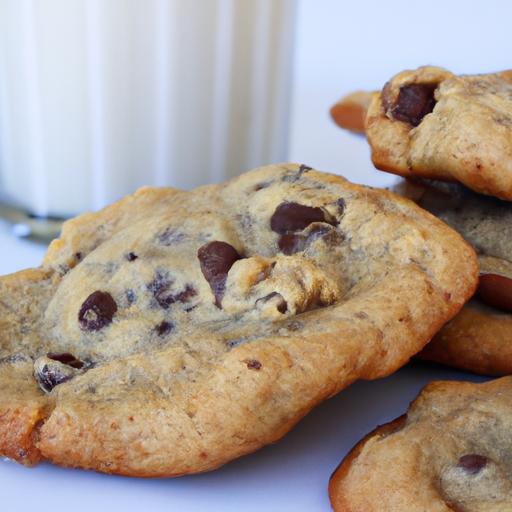

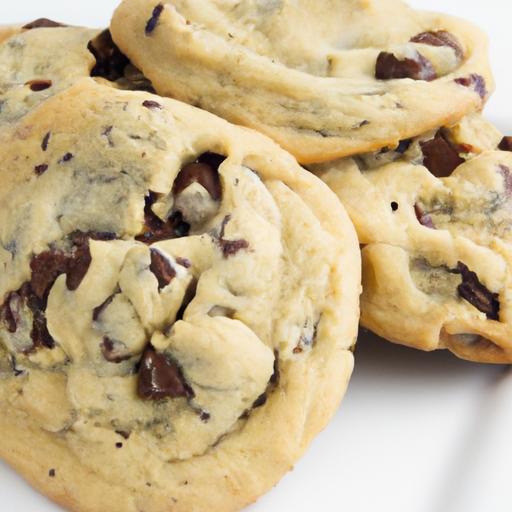
There’s a certain kind of magic that happens when you bite into a warm chocolate chip cookie-the way the edges are perfectly crisp, the center tender and gooey, and those pockets of melted chocolate sending little bursts of sweetness to your taste buds. But behind this beloved treat’s irresistible charm lies a fascinating blend of chemistry,physics,and a sprinkle of culinary artistry. Welcome to the sweet science behind chocolate chip cookies’ magic, where ingredients transform and molecules dance to create that perfect harmony of texture and flavor we all crave.whether you’re a baker, a curious foodie, or simply someone who’s ever wondered why this cookie bakes so perfectly, get ready to dive into the tasty world where science meets dessert.
The Sweet Science Behind Chocolate Chip Cookies’ Magic starts with understanding how simple ingredients and precise techniques coalesce to create the perfect bite-crispy edges,tender centers,and melted pockets of chocolate. This classic treat is more than just comfort food; it’s a delightful chemistry experiment where flour, fats, sugars, and leavening agents dance under heat to reveal a crispy yet chewy masterpiece.
Prep and Cook Time
- Prep Time: 15 minutes
- Chill Time: 30 minutes (optional but recommended)
- Cook Time: 10-12 minutes
Yield
Approximately 24 standard-sized cookies
Difficulty Level
Easy – perfect for bakers of all levels looking to master this beloved recipe
Ingredients
- 1 cup (226g) unsalted butter, softened to room temperature
- ¾ cup (150g) granulated sugar
- ¾ cup (165g) packed light brown sugar, for moisture and caramel notes
- 2 large eggs, room temperature
- 2 teaspoons pure vanilla extract
- 2 ¼ cups (280g) all-purpose flour, sifted for lightness
- 1 teaspoon baking soda, for gentle leavening
- ½ teaspoon fine sea salt, to balance sweetness
- 2 cups (340g) semi-sweet chocolate chips, high-quality for rich melt
Instructions
- Preheat your oven to 350°F (175°C) and line two baking sheets with parchment paper to ensure even cooking and easy cleanup.
- In a large bowl, cream the butter, granulated sugar, and brown sugar together using a hand or stand mixer on medium speed until the mixture is light, fluffy, and pale-approximately 3-4 minutes.
- Add the eggs one at a time, mixing well after each addition, than stir in the vanilla extract. This builds the base for rich flavor and structure.
- In a separate bowl, whisk together the sifted all-purpose flour, baking soda, and salt. Gradually add this dry mix to the wet ingredients on low speed, stopping once just combined.
- Fold in the chocolate chips gently with a spatula, ensuring they are evenly distributed but preserving the dough’s aeration.
- For optimal texture, chill the dough for 30 minutes to firm up the fats, which helps control spread and enhances flavor depth.
- Using a cookie scoop or tablespoon, drop rounded mounds of dough spaced about 2 inches apart on the prepared baking sheets.
- Bake for 10-12 minutes, rotating the pans halfway through, until edges are golden and centers still appear slightly soft. Remember, cookies will continue to cook slightly as they cool.
- Allow cookies to cool on the baking sheet for 5 minutes before transferring to a wire rack. This prevents breaking and helps the textures set perfectly.
Tips for success
- Butter temperature matters: Use softened, not melted butter to trap air during creaming, contributing to lighter cookies with tender crumb.
- experiment with sugars: More brown sugar adds chewiness and a deeper caramel flavor, while white sugar aids crisp edges.
- Don’t overmix: Once flour is added, mix just until combined to avoid tough cookies.
- Chilling dough: Chilling solidifies fats, slowing spread in the oven and intensifying flavor-ideal for true texture control.
- Use quality chocolate: Select chocolate chips with a high cocoa percentage for rich flavor and satisfying melting pockets.
- Storage: Store cookies in an airtight container at room temperature up to 5 days or freeze dough balls for baking later.
Serving Suggestions
Serve these warm, fragrant chocolate chip cookies alongside a cold glass of milk or a creamy scoop of vanilla bean ice cream for indulgent contrasts. Garnish plates with a sprinkle of flaky sea salt atop cookies to accentuate sweetness or offer warm homemade caramel drizzles for a luxe twist. Present on rustic wooden boards dusted lightly with powdered sugar for charming visual appeal.

| Nutritional Info (per cookie) | calories | Protein | Carbs | Fat |
|---|---|---|---|---|
| Chocolate Chip Cookie | 180 kcal | 2 g | 24 g | 9 g |
For an insightful deep dive into the chemistry behind baking, check out the King Arthur Baking Science Hub. And if you’re inspired to broaden your repertoire, visit our Cookie Variations and Flavor Twists article for innovative ideas.
Q&A
Q&A: The Sweet Science Behind Chocolate Chip Cookies’ Magic
Q1: What makes chocolate chip cookies so irresistibly delightful?
A1: The magic lies in the perfect harmony of chemistry and texture. When butter melts and sugars caramelize, they create a rich, golden base. The Maillard reaction-where amino acids and sugars dance under heat-gives each cookie it’s complex, toasted flavor and inviting aroma. Simultaneously occurring, the melting chocolate chips offer gooey bursts of sweetness, balancing the slight crunch of the edges with a chewy center.
Q2: How does the type of sugar influence a cookie’s texture?
A2: Sugar isn’t just for sweetness-it’s a master of moisture and texture. White granulated sugar helps cookies spread thin and crisp, while brown sugar, packed with molasses, adds moisture and chewiness. The combination of both sugars provides that beloved chewy yet crisp contrast, giving chocolate chip cookies their signature bite.
Q3: Why is butter preferred over other fats in chocolate chip cookies?
A3: Butter brings more than fat; it carries water and solids that contribute to texture and flavor. The water content creates steam during baking,helping cookies rise and develop air pockets-resulting in a light,tender crumb. Its natural milk solids enhance browning and deepen the flavor, making the cookie richer and more complex than if made with neutral oils.
Q4: What role does chilling the dough play in the cookie-making process?
A4: Patience is a baker’s secret weapon. Chilling the dough solidifies the fat, slowing down spreading so cookies maintain their shape and thickness. It also allows time for flour to hydrate fully and the flavors to meld, resulting in a more pronounced taste and better texture. The outcome is a cookie that’s perfectly chewy inside with just the right crispy edge.
Q5: How do chocolate chips maintain their texture during baking?
A5: Chocolate chips are engineered to retain their shape under heat. They usually contain stabilizers and are formulated to melt just enough to become soft and luscious without fully liquefying. This careful balance ensures each bite delivers those iconic little pockets of molten chocolate, essential to the cookie’s magic.
Q6: can the choice of flour impact the final cookie?
A6: Absolutely! The protein content in flour dictates gluten formation, which affects texture. All-purpose flour strikes a balance-offering enough gluten for structure without making cookies tough. Using cake flour yields a softer,more tender cookie,while bread flour can create a chewier,more elastic bite. The flour choice is a subtle but crucial brushstroke in the cookie’s flavor and feel.
Q7: What’s the science behind the “spread” of a cookie during baking?
A7: Cookie spreading is a dance between fat melting, sugar dissolving, and gluten setting. As butter melts, the dough loosens and flows outward. High sugar content lowers the melting point, encouraging spread. Conversely, eggs and flour build structure to hold the dough in place. balancing these factors determines whether your cookie stays thick and cakey or spreads thin and crispy.
Q8: How does salt enhance a chocolate chip cookie’s flavor?
A8: Salt is the unsung hero in sweet treats. Just a pinch amplifies the sweetness and deepens the overall flavor profile. It balances the sugar’s richness and accentuates the cocoa notes in chocolate chips. Without salt,cookies taste flat and one-dimensional-salt breathes life into every crumb.
Q9: Why does baking temperature matter so much?
A9: Temperature controls the speed of chemical reactions inside the cookie. Higher temperatures cause rapid browning and can crisp edges quickly,while the middle remains soft. Lower temperatures bake cookies more evenly but can limit that caramelized depth. Finding the sweet spot ensures a cookie that’s both visually appealing and texturally perfect.
Q10: Can altering chocolate type change the cookie’s character?
A10: Definitely. Using bittersweet or dark chocolate adds a more robust, slightly bitter note, providing contrast to the sweet dough. Milk chocolate offers creaminess and mellow sweetness, while white chocolate introduces a vanilla-rich softness. Each type shifts the flavor balance, allowing bakers to customize their cookie’s personality without changing the science behind the structure.
Insights and Conclusions
As the final crumbs settle and the lingering aroma fades, it’s clear that chocolate chip cookies are more than just a beloved treat-they’re a delicious dance of chemistry and craft. From the precise balance of sugars to the joyful alchemy of butter and flour, each cookie carries a story of science baked into every bite. So next time you savor that perfect morsel, remember: behind its warm, gooey magic lies a world of sweet science working quietly to delight your senses. In understanding the art and chemistry of these cookies, we not only satisfy our cravings but also deepen our thankfulness for the marvels hidden in the simplest pleasures.