

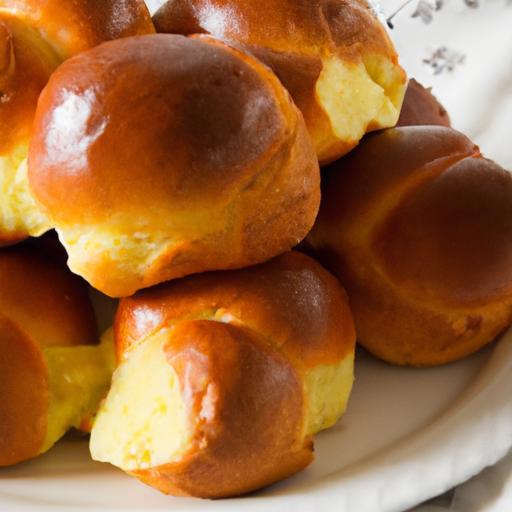
There’s a certain magic woven into the delicate layers of a brioche roll-a golden,buttery embrace that melts effortlessly in your mouth. More than just a bread, brioche is a culinary marvel that balances richness with a tender crumb, inviting both bakers and food lovers to explore its luxurious texture and subtle sweetness. In this article, we peel back the layers of brioche rolls to uncover the secrets behind their irresistibly soft, buttery delight, tracing their origins, ingredients, and the artful techniques that transform simple dough into an indulgent masterpiece. whether you’re a seasoned baker or a curious foodie, get ready to embark on a tasty journey through one of the most beloved bread treasures of French cuisine.
Brioche rolls are the epitome of soft, buttery bread delight, cherished for their tender crumb and lusciously rich flavor. Originating from the northern regions of France, these golden rolls marry a delicate balance of enriched dough and gentle fermentation to create an irresistibly fluffy texture. My passion for crafting perfectly fluffy brioche rolls stems from years of experimenting with dough hydration, butter incorporation, and kneading techniques, each step coaxing the bread closer toward bakery-quality perfection right in your kitchen.
Prep and Cook Time
- Preparation: 30 minutes (including mixing and kneading)
- Proofing: 1 hour 45 minutes (two rises)
- Baking: 15-18 minutes
- total Time: Approximately 2 hours 30 minutes
Yield
12 soft,buttery brioche rolls
Difficulty Level
Medium – ideal for bakers with some experience incorporating enriched doughs and yeast fermentation processes
Ingredients
- 4 cups (500g) all-purpose flour,sifted
- 1/3 cup (65g) granulated sugar
- 2 tsp active dry yeast
- 1 tsp fine sea salt
- 4 large eggs,room temperature
- 1/2 cup (120ml) whole milk,warmed to about 100°F
- 1 cup (225g) unsalted butter,softened and cut into small cubes
- 1 egg yolk + 1 tbsp milk (for egg wash)
Instructions
- Activate the yeast: in a small bowl,combine the warm milk and yeast with a teaspoon of sugar. Let it sit for 5-7 minutes untill frothy to confirm yeast activity.
- Mix dry ingredients: in a large mixing bowl,whisk together the sifted flour,remaining sugar,and salt.
- Add eggs and yeast mixture: Create a well in the center of the flour mixture, then pour in the yeast mixture and crack the eggs inside.Use a wooden spoon or dough hook to begin combining into a sticky dough.
- Knead the dough: Transfer dough to a stand mixer fitted with a dough hook. Knead on medium speed for about 5 minutes until the dough is elastic but slightly sticky.
- Incorporate butter gradually: Add softened butter cubes a few pieces at a time, allowing each addition to fully absorb before adding more. This process can take 10-15 minutes. The dough will be glossy and smooth when ready.
- First proof: Cover the dough with plastic wrap and let it rise in a warm place for about 1 hour, or until doubled in size.
- Shape brioche rolls: Gently deflate the dough and divide it into 12 equal portions. Shape each into a tight ball to promote even rising and a smooth finish.
- Second proof: Place shaped rolls on a parchment-lined baking tray, cover loosely with a clean kitchen towel, and let rise for 45 minutes until puffy.
- Prepare egg wash & bake: Preheat the oven to 375°F (190°C). Brush each roll gently with egg yolk mixed with milk for that unmistakable sheen and golden color. Bake for 15-18 minutes, rotating the tray halfway, until rolls are golden brown and sound hollow when tapped.
- Cool: Transfer rolls to a wire rack and cool for at least 15 minutes before serving to allow the crumb to set.
Tips for Success: Mastering Soft, Buttery Bread Delight
- Use room temperature ingredients: This helps the butter emulsify evenly and yeast to activate reliably.
- Don’t rush butter incorporation: Adding butter slowly ensures the dough remains supple and creates that signature brioche crumb.
- Keep dough slightly sticky: Avoid adding too much flour during kneading – a tacky dough yields a softer final texture.
- Proof in a warm, draft-free environment: Ideal temperatures are around 75-80°F (24-27°C) to maximize yeast activity without overproofing.
- Brush with egg wash carefully: Use a light hand to prevent the dough surface from becoming soggy.
- Make ahead tip: Shaped rolls can be refrigerated overnight after the first proof-just bring them to room temperature and proof again before baking.
Creative Serving Suggestions to Elevate Your Brioche Roll Experience
These soft, buttery brioche rolls are far more than a deli side – their slightly sweet, rich flavor invites creativity. Serve warm alongside Classic French Onion Soup for a comforting meal, using the rolls as vessels to savor luxurious broth and melted cheese. For breakfast, slice horizontally and toast gently, then layer with creamy ricotta and fresh berries or a drizzle of honey and toasted almonds for a light, elegant start.
To elevate your savory offerings, slice brioche rolls and use as the base for gourmet sliders filled with roasted turkey, caramelized onions, and a smear of grainy mustard. Garnish rolls with a sprinkle of aromatic sea salt or sesame seeds before baking for added texture and visual appeal. When serving, a small bowl of whipped herb butter or homemade strawberry preserves complements the bread’s richness beautifully, enhancing your soft, buttery bread delight experience.

| Nutritional Information (per roll) | Amount |
|---|---|
| Calories | 220 kcal |
| Protein | 6 g |
| Carbs | 28 g |
| Fat | 9 g |
For an authoritative deep dive into yeast breads and dough techniques, visit the King Arthur Baking Guide.
Q&A
Brioche Rolls Uncovered: Soft, Buttery Bread Delight – Q&A
Q1: What makes brioche rolls so irresistibly soft and buttery?
A1: The secret lies in the high butter and egg content. Unlike ordinary breads, brioche dough is enriched with generous amounts of butter and eggs, creating a tender crumb and a luscious, melt-in-your-mouth texture. This richness also contributes to the golden, shiny crust that’s as inviting as the inside.
Q2: How long does it typically take to make brioche rolls from scratch?
A2: Making brioche is a labor of love! Expect about 3 to 4 hours from mixing to baking, mostly as the dough needs time to rise twice. Patience is key – this slow fermentation develops flavor and gives the dough its airy lightness.
Q3: Are brioche rolls suitable for savory dishes or just sweet treats?
A3: Brioche rolls are wonderfully versatile! Their buttery flavor pairs beautifully with savory fillings like roasted vegetables, grilled chicken, or tangy cheeses. They also shine in sweet settings, perfectly complementing jams, custards, or fresh berries.
Q4: Can I make brioche rolls without a stand mixer?
A4: Absolutely! While a stand mixer with a dough hook makes the process easier, you can mix brioche by hand. It just requires some elbow grease to knead the sticky dough until it’s smooth and elastic,but the effort rewards you with a rich,homemade touch.
Q5: What’s the best way to store brioche rolls to keep them fresh?
A5: Brioche rolls are best enjoyed fresh but can be kept soft by storing them in an airtight container at room temperature for up to two days. For longer storage,freeze them wrapped tightly; when ready to eat,thaw and warm briefly for that just-baked softness.
Q6: Can brioche rolls be made gluten-free?
A6: Making gluten-free brioche rolls is a delightful challenge! It requires carefully selected gluten-free flours and sometimes additional binding agents like xanthan gum. While the texture may differ slightly,you can still achieve that buttery richness with some experimentation.
Q7: What’s a unique twist to add to classic brioche rolls?
A7: Try infusing your brioche with a hint of citrus zest, such as orange or lemon. The shining notes cut through the richness and add a fresh, aromatic dimension. Another idea: sprinkle coarse sugar or fragrant spices like cinnamon on top before baking for a sweet crunch.
Q8: How do brioche rolls differ from other enriched breads?
A8: Brioche’s hallmark is its exceptionally high butter-to-flour ratio, often up to 50% butter by weight, which is more than most enriched breads.Combined with eggs and a longer proofing time, this creates a buttery richness and delicate crumb that’s uniquely soft yet structured.
Q9: Why does brioche dough feel so sticky compared to other breads?
A9: The high fat and egg content make brioche dough almost cake-like in consistency, resulting in a notably sticky and soft texture. This is normal and means you’re on the right track – handling with lightly floured hands and patience ensures a stunning final result.
Q10: What occasions are perfect for serving brioche rolls?
A10: Brioche rolls elevate any meal, from casual brunches to elegant dinners. They make a luxurious companion to morning coffee or tea, a rich base for gourmet sandwiches, or a delightful side for festive gatherings where buttery, soft bread always steals the spotlight.
The Conclusion
from their golden crust to the tender, buttery crumb within, brioche rolls embody the art of indulgence in every bite. Whether enjoyed fresh from the oven, as a sumptuous sandwich base, or a sweet companion to morning jam, these soft delights invite us to savor the simple pleasures of artisanal bread-making. Uncovering the secrets of brioche rolls is more than just a culinary exploration-it’s a journey into a timeless tradition where rich ingredients and careful technique transform humble dough into a bread that’s truly extraordinary. So next time you crave something both comforting and elegant, remember: the soft, buttery bliss of a brioche roll is never far away.