
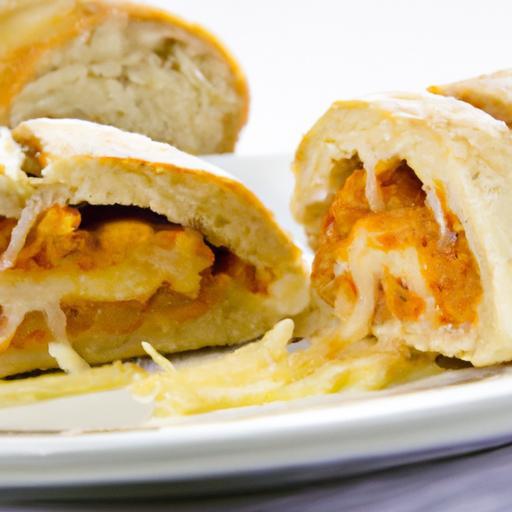
Golden, crispy, and unmistakably irresistible, churros have long been a beloved treat that transcends borders and generations. These twisted sticks of fried dough, dusted generously with cinnamon sugar, offer more than just a sweet indulgence-they carry with them a rich tapestry of history and culture. In “Churros Unwrapped: Sweet History and crispy Delight,” we embark on a flavorful journey to uncover the origins of this iconic pastry,explore it’s evolution,and celebrate the simple joy that a perfectly cooked churro brings to taste buds around the world. Whether enjoyed as a humble street snack or a decadent dessert, churros remain a symbol of shared heritage and culinary delight.
Origins of Churros and Their Cultural Journey
Churros Unwrapped reveal an intriguing tale that stretches from rustic Iberian roots to the bustling streets of Latin America and beyond. legend credits Portuguese shepherds with creating an easy-to-make fried dough pastry, designed to resemble the curly horns of the churro sheep, offering a satisfying snack during long pasture hours. From there, these golden delights sailed across the Atlantic with Spanish explorers, embedding themselves into the culinary traditions of Mexico, the philippines, and various parts of the Americas. Over centuries, churros transformed from a humble shepherd’s treat to a festive indulgence, loved worldwide for their crispy crust and tender interior.
What makes churros especially captivating is their simplicity paired with endless versatility. Whether enjoyed dipped in silky hot chocolate in Madrid or dusted with aromatic cinnamon sugar from a street cart in Mexico city, churros carry a narrative of cultural exchange and communal joy that is as rich as their flavor.
The Art of Perfecting the Crispy Texture
Achieving the perfect churro means balancing a delicate dance of textures: a crisp, golden exterior embracing a moist, tender core. The secret lies in the dough, wich is a straightforward blend of water, flour, a pinch of salt, and a splash of oil or butter. When piped into hot oil, the water evaporates rapidly, creating that signature crunch. Maintaining the oil temperature between 350°F to 375°F (175°C to 190°C) is crucial; to hot, and the outside burns before the inside cooks; too cool, and the churros absorb excess oil, ending up greasy instead of crispy.
Patience during frying is key-turning the churros occasionally ensures even browning. The shape matters, too; the use of a star-shaped nozzle gives churros their ridges, which caramelize beautifully and also help hold the coating of cinnamon sugar or other toppings.
Exploring Classic and Innovative Churro flavors
While customary churros are best known for their cinnamon-sugar dusting and dipping in thick Spanish-style chocolate, the world of churro flavors is delightfully expansive. The classic is timeless: just a sprinkle of cinnamon sugar blends warmth with sweet crunch. In Mexico, you might find churros filled with luscious cajeta (goat milk caramel) or fruity jams, adding surprising layers.
For those wishing to experiment in the kitchen, consider infusing the dough with zest from oranges or lemons to add a citrus brightness. Dipping sauces can range from rich Nutella, creamy dulce de leche, or even a refreshing raspberry coulis that cuts through the sweetness. vegan or gluten-free churros are also achievable by adapting flour blends and fat sources, opening the door to inclusive indulgence without sacrificing crispness.
Top Tips for Making Authentic Churros at Home
Embracing the art of churro-making at home is both satisfying and surprisingly approachable. Start with the freshest ingredients-especially yoru flour and oil. Use a quality, neutral oil with a high smoke point, such as sunflower or canola, to get that consistent fry without imparting unwanted flavors. Preheat your oil and use a candy thermometer to keep it steady,as this is the cornerstone of perfect texture.
When piping the dough, don’t rush. Use a sturdy piping bag with a classic star tip, applying even pressure to create uniform lengths. Slice with scissors or a knife to avoid stretching the dough unevenly. Drain the fried churros on paper towels to remove excess oil, then immediately toss them in cinnamon sugar for the coating to adhere while still warm.
Practise will refine your timing and temperature control, and soon you’ll develop an intuitive feel for when the churros are perfectly golden and irresistibly crunchy.
Churros Recipe
Ingredients
- 1 cup water
- 2 tablespoons granulated sugar
- 1/2 teaspoon fine salt
- 2 tablespoons vegetable oil, plus more for frying
- 1 cup all-purpose flour, sifted
- 1/2 cup granulated sugar (for coating)
- 1 teaspoon ground cinnamon (for coating)
Instructions
- Prepare the churro coating: In a shallow bowl, combine 1/2 cup granulated sugar and 1 teaspoon cinnamon. Set aside.
- Heat the dough base: In a medium saucepan over medium heat, bring water, 2 tablespoons sugar, salt, and 2 tablespoons vegetable oil to a rolling boil.
- Add the flour: Once boiling, remove from heat and quickly stir in the sifted flour until the mixture forms a smooth ball. Return to low heat and cook, stirring constantly, for 1-2 minutes to dry the dough slightly.
- Preheat oil: Heat roughly 2 inches of vegetable oil in a heavy-bottomed pot or deep fryer to 375°F (190°C). Use a candy thermometer for accuracy.
- Pipe the churros: Transfer the dough to a large piping bag fitted with a star-shaped tip. Carefully pipe 4-6 inch lengths directly into the hot oil, cutting the dough with scissors or a knife as you go. Do not overcrowd the pot.
- Fry to golden perfection: Fry churros for about 2-4 minutes, turning occasionally, until crisp and golden brown. Remove with a slotted spoon and drain on paper towels.
- coat while warm: Immediately toss churros in the cinnamon-sugar mixture until evenly coated. Serve warm for best texture and flavor.
Chef’s Notes
- Oil Temperature: Keeping oil temperature steady is crucial. If it drops, churros become greasy; if too hot, they burn quickly. Adjust heat as needed.
- Dough Consistency: If the dough is too wet and messy, add a tablespoon more flour. if it’s too dry to pipe smoothly, add a teaspoon of warm water.
- Make-Ahead Tip: Dough can be made in advance and refrigerated wrapped tightly for up to 24 hours. Bring back to room temperature and stir before piping.
- Flavors: Try adding a pinch of ground nutmeg or vanilla extract for subtle warmth, or mix matcha powder into the coating for an unexpected twist.
serving Suggestions
Serve your churros alongside a small ramekin of rich hot chocolate or thick caramel sauce for dipping.Garnish with a sprinkle of powdered sugar or a handful of fresh berries to balance the sweetness. For a festive touch, plate churros on a rustic wooden board dusted lightly with extra cinnamon sugar and add edible flowers or fresh mint leaves to brighten the presentation.
Pair with a café con leche at breakfast or evening as a delightful dessert to share with family and friends.

| Nutrient | Amount per serving |
|---|---|
| Calories | 220 kcal |
| Protein | 3 g |
| Carbohydrates | 30 g |
| Fat | 9 g |
For an in-depth look at fried dough delights from around the world, check out our guide to global fried sweets. To explore the historic origins of Spanish desserts further, visit Britannica’s churro entry.
Q&A
Q&A: Churros Unwrapped: Sweet History and Crispy Delight
Q1: What exactly is a churro?
A1: A churro is a golden,crispy-fried dough pastry,typically rolled with a ridged pattern and dusted generously with sugar or cinnamon. Its light, crunchy exterior gives way to a soft and airy interior-making it an irresistible treat enjoyed worldwide.
Q2: Where did churros originate?
A2: while churros are often associated with Spain and Portugal, their exact origins are a delightful blend of history and legend. Some say spanish shepherds created churros as a simple, portable snack, while others trace their roots to a delightful fusion of Iberian and Moorish culinary traditions.
Q3: How are churros traditionally made?
A3: The classic churro dough is a mixture of water, flour, a pinch of salt, and sometimes a touch of oil or butter. After the dough is piped through a star-shaped nozzle into hot oil, it fries until golden and crisp. it’s rolled in sugar-often with a sprinkle of cinnamon-to add that signature sweet crunch.
Q4: Are churros always served plain?
A4: While a plain sugar-coated churro is a timeless favorite, these treats are often paired with luscious dipping sauces. Traditional spanish churros are commonly dunked in thick, velvety hot chocolate, but nowadays you can find churros alongside caramel, fruit compotes, or even creamy vanilla custard.
Q5: What makes churros so universally loved?
A5: The magic of churros lies in their perfect balance of textures and tastes-the crispy exterior contrasts with the soft, warm dough inside, all wrapped up with a dusting of sweet cinnamon sugar. This delightful harmony satisfies a basic human craving for comfort food,making churros beloved across cultures.
Q6: Can churros be made at home easily?
A6: Absolutely! With just a few simple ingredients-flour, water, sugar, and oil-home cooks can whip up churros in their own kitchens. The main challenge is frying them at the right temperature to achieve crispy exteriors without greasiness. Pair them with your favorite sauce, and you’ve got a homemade fiesta of flavor.
Q7: Are there savory versions of churros?
A7: While sweet churros are the star, savory takes do exist! Some creative cooks experiment by adding herbs or cheese to the dough, or serving churros with spicy dips. However, the classic sweet cinnamon-coated variety remains the most iconic and beloved worldwide.
Q8: Why do churros frequently enough have a star-shaped cross-section?
A8: The star shape comes from the traditional piping nozzle used to extrude the dough. This ridged design increases crispiness by creating more surface area, letting more oil fry the dough evenly. Plus,the shape catches sugar and sauces beautifully for every appetizing bite.
Q9: How do modern variations of churros differ from the traditional ones?
A9: Modern churro innovations include twists like filled churros bursting with chocolate, dulce de leche, or fruit jams. Some shops even serve churro bites, churro ice cream sandwiches, or churro-flavored pastries, pushing this age-old treat into contemporary culinary creativity.
Q10: What cultural role do churros play beyond being just a snack?
A10: Churros are more than food; they’re tradition. In many countries, churro stands gather friends and family during festivals, markets, and chilly mornings. They evoke nostalgia and community spirit,symbolizing comfort,togetherness,and timeless delight across generations.
The Way Forward
As the golden strands of churros continue to weave their way through kitchens and cafés around the world, their story remains as rich and layered as their crispy, sugary coating. From humble beginnings to global obsession, churros embody more than just a sweet treat-they’re a delicious link to culture, tradition, and simple joy. So, next time you savor that warm, cinnamon-sprinkled bite, remember you’re tasting centuries of history unwrapped in every crispy delight.