

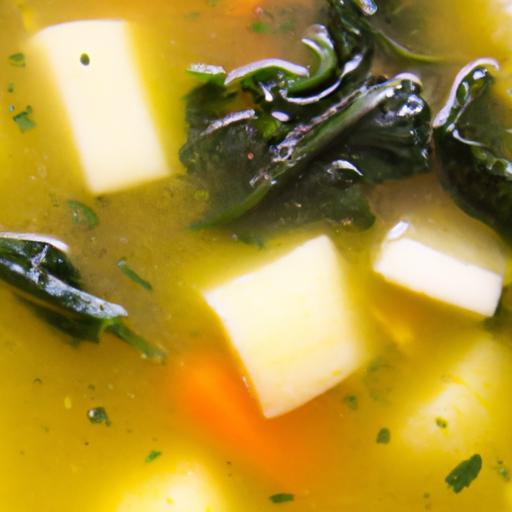
In a world where sustainability meets culinary creativity, the humble kitchen scrap is emerging as an unexpected hero. What once might have been tossed into the compost can now be transformed into a rich, flavorful elixir that elevates every dish it touches. welcome to the art of crafting homemade veggie broth-an age-old tradition reinvented for todayS mindful cook. From carrot tops to onion peels,these often-overlooked bits hold the secret to turning leftovers into golden,nourishing broth that not only reduces waste but also deepens the soul of your cooking. Let’s dive into how you can turn scraps into gold, one simmer at a time.
The Art of Selecting Perfect Vegetable Scraps for Broth
Turning Scrap Into Gold: Crafting Homemade Veggie Broth begins with the mindful selection of vegetable scraps that transform simple kitchen leftovers into a vibrant foundation brimming with layered flavors. Embracing this lasting practice not only reduces waste but also unlocks a richness unachievable to achieve with store-bought broth.
Ideal scraps include the hearty ends of carrots, celery stalks, onion skins, and garlic peels. These aromatic building blocks hold the secret to a deep, complex broth. Avoid bitter elements like broccoli stems or wilted leafy greens, which can overpower the broth’s subtlety. Rather,focus on scraps with a balance of sweetness,earthiness,and pungency to impart depth.
Unlocking Deep Flavors Through Slow Simmering Techniques
The magic lies in patience. Once your carefully curated veggie scraps collide in a pot, cover them with cold water and bring gently to a simmer.Skimming foam as it rises encourages clarity, while a low simmer over 1.5 to 2 hours coaxes the vegetables’ essence out without bitterness. Avoid boiling, which can roughen flavors and cloud the broth.
Adding a splash of acid like apple cider vinegar early in the cooking process helps extract minerals and brightens the final taste. When the broth is done, straining through a fine mesh or cheesecloth ensures a crystal-clear, velvety liquid ready for your next culinary adventure.
Enhancing Your Broth with Herbs and Spices for Unique tastes
Customizing your broth is an art form. Toss in fresh herbs such as thyme, parsley stems, or bay leaves to introduce aromatic complexity. For a subtle warmth, peppercorns offer a gentle kick, while star anise or a cinnamon stick can hint at exotic undertones.
Experimentation is encouraged: a few slices of ginger and lemongrass can give an Asian flair, or a handful of dried porcini mushrooms adds umami richness. Just remember, layering flavors gradually during simmering creates a balanced and nuanced broth rather than an overpowering punch.
Creative Uses for Homemade Veggie Broth Beyond Soups
Beyond the comforting bowl of soup, your homemade veggie broth shines in countless ways – think vibrant risottos, aromatic grain bowls, and even as a poaching liquid for delicate vegetables or fish. Use it to replace water when cooking rice or quinoa to infuse subtle layers of flavor, or deglaze a pan after sautéing for a perfectly savory base sauce.
Freeze broth in ice cube trays for easy portions that elevate sauces and sautés instantly. This golden elixir is your kitchen’s unsung hero, transforming everyday dishes with whispering hints of nature’s bounty.
Prep and Cook Time
- Preparation: 10 minutes
- Simmering: 1 hour 45 minutes
- Total Time: 1 hour 55 minutes
Yield
Approximately 8 cups (about 2 liters) of nutrient-packed veggie broth
difficulty Level
Easy - Perfect for home cooks and zero-waste enthusiasts alike
Ingredients
- 5 cups assorted vegetable scraps (carrot ends, celery stalks, onion skins, garlic peels)
- 10 cups cold filtered water
- 2 teaspoons apple cider vinegar
- 1 large onion, quartered (optional for added sweetness)
- 2 garlic cloves, smashed
- 2 bay leaves
- 5 sprigs fresh thyme
- 10 black peppercorns
- Optional: 1 small piece of ginger, 2 dried porcini mushrooms, or a cinnamon stick for variation
Instructions
- Gather your vegetable scraps: Rinse well to remove any dirt or grit. Place them in a large stockpot.
- Add water and vinegar: Pour 10 cups of cold filtered water over the scraps, then stir in apple cider vinegar. Let this mixture sit for 20 minutes before heating – this helps draw out nutrients.
- Bring to a low simmer: Heat the pot over medium heat until just before boiling. Reduce heat to low. You want gentle bubbles, not a rolling boil.
- Skim and add aromatics: Use a spoon to skim any foam that surfaces for a clearer broth. Add onions, garlic, bay leaves, thyme, and peppercorns (plus any optional ingredients).
- Simmer uncovered for 1.5 to 2 hours: Stir occasionally. Keep the temperature steady and avoid letting it boil - slow extraction preserves clarity and flavor.
- Strain the broth: Pour the liquid through a fine mesh sieve or cheesecloth into a clean container. Press gently on the solids to release all liquid, then discard the scraps or compost them.
- Cool and store: Let the broth cool to room temperature. Transfer to airtight containers and refrigerate up to 5 days or freeze for up to 3 months.
Chef’s Notes
- For a richer broth, roast your vegetable scraps in a 400°F oven for 20 minutes before simmering to caramelize natural sugars.
- Do not add salt during cooking; season your final dishes individually to maintain versatility.
- Freeze broth in ice cube trays to have handy flavor boosters for sauces and fast stir-fries.
- Discard any scraps with mold, slime, or strong off-smells to prevent off-flavors.
- Try substituting parsley stems for thyme or adding a small dried chili for heat-experiment creatively!
Serving Suggestions
Your homemade veggie broth is wonderfully versatile. serve it as a clear,sipping broth topped with fresh herbs and a wedge of lemon for a detoxifying sip. Use it as a base for vibrant vegetable soups, gently poach delicate fish, or cook grains like quinoa or barley to infuse herbs and savory notes directly into the dish.
For a beautiful finishing touch, drizzle high-quality extra virgin olive oil or a sprinkle of toasted nuts or seeds at the surface before serving. Garnish with microgreens or a fresh sprig of thyme to boost presentation and flavor.

| Nutrient | Per Cup (240ml) |
|---|---|
| Calories | 15 |
| Protein | 1 g |
| Carbohydrates | 3 g |
| Fat | 0.1 g |
Ready to dive deeper into sustainable cooking? Check out our Zero-Waste Kitchen Tips for more creative ways to reduce food waste. For scientific insights on nutrient extraction through vinegar in broths, visit the British Nutrition Foundation.
Q&A
Q&A: turning Scraps Into Gold - Crafting Homemade Veggie Broth
Q1: What exactly is homemade veggie broth, and why should I make it rather of buying store-bought?
A1: Homemade veggie broth is a flavorful liquid created by simmering vegetable scraps, herbs, and spices. Unlike many commercial broths, it’s free from artificial additives, excess sodium, and preservatives. Plus,crafting your own broth transforms kitchen waste into a golden elixir that enriches soups,stews,and countless dishes-saving money,reducing waste,and boosting flavor all in one pot.
Q2: What kinds of vegetable scraps work best for making broth?
A2: Almost any veggie scrap can contribute-think onion skins, carrot tops, celery leaves, garlic peels, mushroom stems, and even broccoli stalks. Avoid bitter or overpowering ingredients like cabbage or Brussels sprout cores, and steer clear of anything moldy or spoiled. The magic lies in layering a variety of scraps for a well-rounded, aromatic broth.
Q3: How do I store vegetable scraps until I have enough for broth?
A3: A simple “scrap bag” or container in your freezer is your secret weapon. Toss in clean, fresh scraps throughout the week to build up a flavorful stash. Freezing prevents spoilage and keeps your ingredients bursting with fresh taste until you’re ready to simmer them into broth.
Q4: What’s the basic process for turning scraps into broth?
A4: Start by gathering your veggie scraps and adding them to a large pot with enough water to cover. Toss in a few aromatics-bay leaves, peppercorns, parsley stems work beautifully. Bring to a boil, then let it simmer gently for 45 minutes to 1 hour. Strain out the solids, and voilà-you’ve struck cooking gold!
Q5: Any tips for enhancing the flavor of homemade veggie broth?
A5: Absolutely! Toasting harder scraps like onion skins or carrot peels in a pan before simmering can deepen the flavor. Adding a splash of soy sauce or miso can boost umami notes. fresh herbs like thyme or rosemary added near the end of cooking infuse bright,fresh layers. Experiment with diffrent combos to discover your signature broth.
Q6: How long can I keep homemade veggie broth, and how should I store it?
A6: Fresh broth lasts about 4-5 days refrigerated. For longer storage, freeze it in airtight containers or ice cube trays for convenient portion sizes. frozen broth can last up to 3 months, giving you a ready reserve of homemade gold whenever you need.
Q7: Can I use homemade veggie broth for more than just soups?
A7: Definitely! Use it as a base for sauces, to cook grains like rice or quinoa, to steam veggies, or to add moisture and flavor when sautéing. It’s a versatile kitchen companion that elevates everyday meals while making sustainable cooking a breeze.
Q8: Does making veggie broth really help reduce food waste?
A8: it does! Instead of tossing peels, ends, and leaves in the trash, you repurpose them into something flavorful and nourishing. It’s a simple yet powerful way to embrace zero-waste cooking,honor the whole vegetable,and tread lightly on our planet-all while creating magic in your kitchen.
Key Takeaways
Transforming vegetable scraps into a rich, flavorful broth isn’t just a clever way to reduce kitchen waste-it’s a small act of culinary magic that elevates everyday cooking.By embracing the art of crafting homemade veggie broth, you unlock a world of depth and nourishment from ingredients that might otherwise be forgotten. So next time you peel, chop, or trim, remember: those humble scraps hold the secret to golden, wholesome broth, waiting patiently to infuse your meals with warmth and sustainability. Turn your leftovers into liquid gold, and let your kitchen’s creativity simmer to new heights.