
There’s something undeniably magical about biting into a perfectly crafted Italian meatball-a harmonious blend of rich flavors,tender textures,and comforting aromas that instantly transports you to the heart of an Italian kitchen.Crafting homemade Italian meatballs is more than just assembling ingredients; it’s an artful journey that balances tradition, technique, and a touch of personal flair. In this article, we’ll dive deep into the secrets behind creating meatballs that are juicy, flavorful, and authentically Italian, guiding you step-by-step through the process of turning simple pantry staples into a culinary masterpiece. Prepare to embark on a flavor journey that will elevate your cooking and warm your soul.
Crafting perfect homemade Italian meatballs starts with an unwavering commitment to authenticity and balance-each ingredient plays a vital role in layering rich flavors that sing harmoniously on the palate. whether it’s the fresh herbs picked at their peak or the perfectly blended meats, choosing genuine components breathes life into this timeless Italian classic.
Prep and Cook Time
- Readiness: 25 minutes
- Cooking: 30 minutes
- total Time: 55 minutes
Yield
Serves 6 generously, perfect for a hearty family meal or dinner party.
Difficulty Level
medium – approachable for excited home cooks ready to elevate their kitchen skills.
Ingredients
- 1 lb ground beef (80/20 lean-to-fat ratio)
- 1 lb ground veal
- 1/2 cup day-old italian bread crumbs, finely crushed
- 1/2 cup whole milk
- 2 large eggs
- 1/4 cup freshly grated Parmigiano-Reggiano cheese
- 2 tbsp chopped fresh flat-leaf parsley
- 2 cloves garlic, minced
- 1 tsp fine sea salt
- 1/2 tsp freshly ground black pepper
- 1/4 tsp crushed red pepper flakes (optional for subtle heat)
- 2 tbsp extra virgin olive oil, for browning
- 4 cups homemade or high-quality store-bought marinara sauce
Instructions
- Soak the breadcrumbs: In a small bowl, combine the breadcrumbs and milk. Let them soak until the mixture is soggy and softened, about 10 minutes. This step ensures exceptionally tender meatballs.
- Prepare the mixture: In a large bowl, gently combine ground beef, ground veal, soaked breadcrumbs, eggs, Parmigiano-Reggiano, parsley, garlic, salt, pepper, and red pepper flakes. use your hands to mix, but do so just until everything is evenly incorporated – overmixing can toughen the meatballs.
- Shape the meatballs: Moisten your hands with cold water (this prevents sticking) and form the mixture into uniform balls about 1 ½ inches in diameter. Consistency in size helps them cook evenly.
- Brown the meatballs: Heat olive oil in a large skillet over medium heat. Add meatballs in batches, leaving enough room so they don’t touch. Sauté them until golden brown all over, about 5-6 minutes, turning carefully to avoid breaking. Remove and set aside.
- Simmer gently: Lower the heat and pour marinara sauce into the skillet. Add the browned meatballs back in, gently nestling them into the sauce. Cover and let simmer for 25 minutes. This slow simmer seals in moisture and allows flavors to meld beautifully.
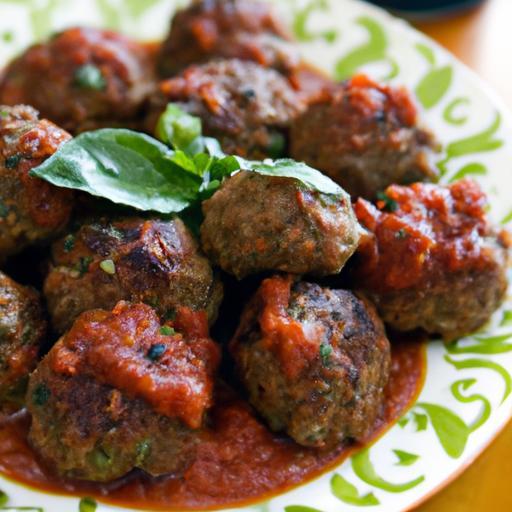
- Finish and serve: Carefully remove meatballs with a slotted spoon, placing them on a warm serving platter. Spoon sauce over top and garnish with fresh basil leaves or extra grated parmesan for an enticing finish.
Chef’s Notes
- Meat Selection: Combining beef and veal achieves a balance of rich flavor and delicate texture. If veal is unavailable,consider substituting with lean ground turkey for a lighter option.
- Mixing Technique: Avoid overworking the meat mixture-gentle folding preserves tenderness.
- Make-Ahead Tip: Meatballs can be shaped and refrigerated for up to 24 hours before cooking. For longer storage, freeze shaped but uncooked meatballs in a single layer.
- Flavor Boost: For an earthy note, add a teaspoon of finely chopped fresh rosemary or oregano during mixing.
- Moisture Check: If the mixture feels too wet, add a tablespoon more breadcrumbs; too dry, add a splash of milk or an extra egg white.
Serving suggestions
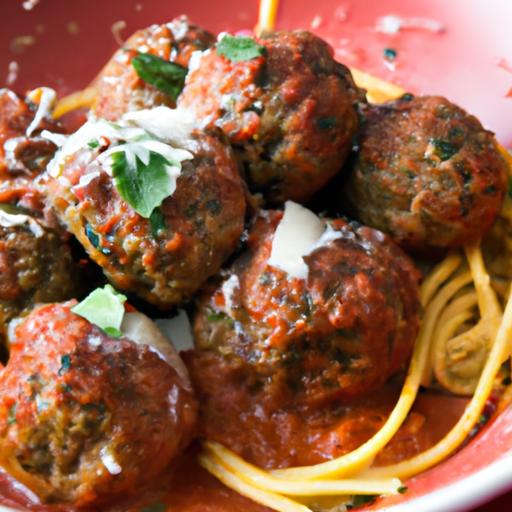
Present your meatballs nestled over a bed of al dente spaghetti or creamy polenta for an undeniably classic Italian meal. garnish with bright green basil chiffonade and a generous sprinkle of Parmigiano-Reggiano. For a rustic touch, serve alongside garlic-rubbed toasted Italian bread to soak up every savory drop of sauce.
Pair this dish with a crisp, peppery arugula salad and a drizzle of lemon vinaigrette to lighten the meal and awaken the palate.
| nutritional Information (per serving) | Calories | Protein | Carbs | Fat |
|---|---|---|---|---|
| Italian Meatballs | 380 kcal | 32 g | 8 g | 24 g |

Explore more culinary tips in our Italian cooking basics guide. For a deeper dive into the history of veal in Italian cuisine, visit the Encyclopedia Britannica veal entry.
Q&A
Q&A: Crafting Perfect Homemade Italian Meatballs: A Flavor Journey
Q1: What makes Italian meatballs so distinct from other meatball varieties?
A: Italian meatballs often marry simplicity with depth, focusing on high-quality beef or veal, fresh herbs, and a careful balance of textures.Unlike some meatballs that rely heavily on spices or fillers, customary Italian versions emphasize a harmonious blend of garlic, parsley, cheese, and breadcrumbs, creating tender, juicy spheres that soak up sauces beautifully.
Q2: Which meats are best suited for authentic Italian meatballs if pork is off the table?
A: Lean ground beef is a perfect base, providing robust flavor and structure. For a lighter twist, ground veal or turkey can also work wonderfully, each bringing subtle nuances in texture and taste.Blending beef with veal frequently enough results in tender meatballs with a refined profile.Q3: How crucial is the breadcrumb and milk mixture in the meatball mixture?
A: Extremely important! The soaking of breadcrumbs in milk creates a tenderizing effect, ensuring the meatballs remain moist and soft rather than dense or dry. this technique, called a panade, acts like a sponge, locking moisture into every bite and delivering that melt-in-your-mouth texture quintessential to classic Italian meatballs.
Q4: Can you share a secret tip to avoid meatballs turning tough during cooking?
A: Gentle handling is key. Overmixing the meat mixture activates the proteins excessively, making meatballs compact and chewy. Use a light hand when combining ingredients, and form the meatballs just until everything comes together. Also, cooking them gently-whether baking or gently simmering in sauce-helps maintain tenderness.
Q5: What herbs and seasonings truly capture the soul of Italian meatballs?
A: Fresh parsley offers a bright, earthy note, while grated garlic delivers aromatic warmth. A touch of dried oregano or basil adds classic Italian flair.don’t forget freshly grated parmesan cheese, which brings savory umami and a subtle nuttiness. Salt and freshly ground black pepper round out the seasoning perfectly.
Q6: Is it better to bake or simmer meatballs in sauce for best results?
A: both methods have their merits. Baking allows the meatballs to develop a stunning crust, adding texture, before finishing in sauce.Simmering them gently in tomato sauce from the start results in meatballs that are incredibly tender and infused with rich flavors. Many cooks use a hybrid approach: bake first to seal in juices, then finish in sauce for depth.
Q7: How can homemade meatballs be personalized without straying from tradition?
A: Experiment with adding finely minced vegetables like onion or carrot for subtle sweetness and moisture. Adjust herb ratios to suit your palate-perhaps a touch more basil or a sprinkle of crushed red pepper flakes for subtle heat.Using different cheeses, such as Pecorino Romano rather of Parmesan, offers engaging twists while staying true to Italian roots.
Q8: What’s the best way to serve Italian meatballs for an authentic experience?
A: Classic and comforting: a hearty plate of meatballs nestled atop a bed of al dente spaghetti, drenched in rich tomato sauce, and finished with a generous shower of freshly grated Parmesan. Add a crusty loaf of bread to soak up every last drop of sauce, and perhaps a fresh green salad to round out the meal with a bright contrast.
Q9: Can meatballs be made ahead of time, and how should they be stored?
A: Absolutely! After shaping, uncooked meatballs can be frozen on a tray, then transferred to airtight bags for up to three months. cooked meatballs store beautifully in the refrigerator for up to three days. to reheat,gently warm them in sauce on the stovetop to preserve moisture and flavor.
Q10: What’s the most rewarding part of crafting homemade italian meatballs from scratch?
A: Beyond the irresistible aromas and rich flavors, it’s the connection to tradition and the joy of creating something with your own hands-transforming simple ingredients into a soulful dish that brings people together. Each bite is a festivity of heritage, love, and the art of authentic Italian cooking.
In Summary
As you close the chapter on your homemade italian meatball adventure, remember that each bite carries more than just flavors-it tells a story of tradition, patience, and passion. Crafting the perfect meatballs is both an art and a journey, where simple ingredients transform into a symphony of taste. Whether nestled in a rich tomato sauce or served solo with a sprinkle of freshly grated Parmesan, these meatballs invite you to savor the heart of Italy in every morsel. So roll up your sleeves, embrace the delicious process, and let your kitchen become a gateway to timeless flavors that warm the soul. Buon appetito!