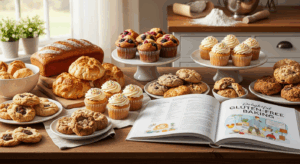

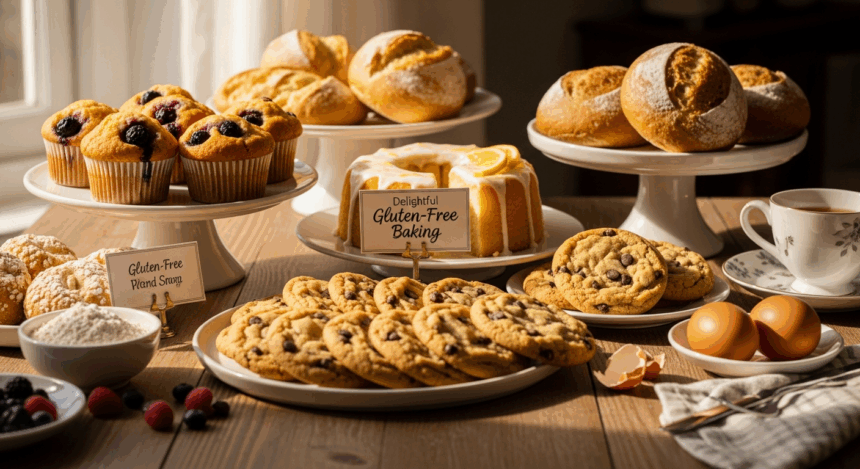
In a world where dietary needs and flavour cravings often seem at odds, gluten-free baking has emerged as a delicious bridge between health and indulgence. Far from the bland or crumbly stereotypes of the past, today’s gluten-free recipes celebrate vibrant tastes, rich textures, and unexpected delights that can satisfy both the gluten-sensitive and the gourmet alike. Whether you’re newly exploring this lifestyle or simply eager to expand your baking repertoire, our collection of delightful gluten-free recipes invites you on a journey where every bite is a testament to creativity and care. Get ready to roll up your sleeves, preheat your oven, and discover how gluten-free baking can transform everyday ingredients into unusual treats worthy of any kitchen table.
Delightful gluten-free baking starts with understanding the unique properties of each flour and how to balance moisture and binding for irresistibly fluffy results. Whether you’re new to gluten-free cooking or a seasoned baker looking to elevate your creations, mastering the art of choosing the right flours and techniques will transform your kitchen into a haven of soft, flavorful, and perfectly textured bakes.
Prep and Cook Time
- Planning: 15 minutes
- Cooking/Baking: 30-40 minutes
Yield
- 8 servings
Difficulty Level
- Medium
Ingredients
- 1 cup almond flour, finely ground
- 3/4 cup tapioca starch
- 1/2 cup brown rice flour
- 2 teaspoons xanthan gum
- 1 tablespoon baking powder (gluten-free)
- 1/2 teaspoon sea salt
- 3 large eggs, room temperature
- 1/2 cup coconut oil, melted
- 3/4 cup unsweetened almond milk
- 1/3 cup honey or pure maple syrup
- 1 teaspoon pure vanilla extract
Instructions
- Preheat your oven to 350°F (175°C). Prepare an 8-inch round baking pan by greasing it lightly or lining it with parchment paper for easy removal.
- Combine the dry ingredients: In a large bowl, whisk together the almond flour, tapioca starch, brown rice flour, xanthan gum, baking powder, and sea salt. This blend balances nutty flavor, lightness, and structure.
- Mix wet ingredients: In a separate bowl, gently beat the eggs, then add melted coconut oil, almond milk, honey, and vanilla extract. whisk until smooth and well combined.
- Incorporate wet into dry: Pour the wet mixture into the dry ingredients, stirring gently with a spatula until just combined. Avoid over-mixing to retain fluffiness.
- Pour batter evenly into the prepared pan, smoothing the top with a spatula for an even rise.
- Bake for 30-40 minutes, or until a toothpick inserted at the center comes out clean and the edges are golden. Keep an eye in the last 10 minutes to prevent drying out.
- Cool in the pan for 15 minutes, then transfer to a wire rack to cool completely. This step ensures firmness and perfect crumb texture for slicing.
Chef’s Notes: tips for Success
- Flour blends matter: Using a mix of almond, tapioca, and brown rice flour delivers a tender crumb and delightful flavor. Almond flour adds moisture and richness, tapioca starch lightness, and brown rice flour structure.
- Xanthan gum is key to mimic gluten’s elasticity – don’t omit it! It helps bind and hold the dough together for that perfect crumb.
- Moisture control: Coconut oil and almond milk create luscious moisture but watch baking times carefully to avoid dryness.
- Eggs provide structure and lift – ensure they are at room temperature for best mixing results.
- Make-ahead tip: Store leftovers in an airtight container at room temperature for up to 3 days or freeze slices individually for up to 1 month.
- For a nut-free option, substitute almond flour with sunflower seed flour, adjusting slightly for moisture as needed.
- Experiment with adding cinnamon, citrus zest, or finely chopped nuts to add exciting new layers to your bake.
Serving Suggestions
This deliciously soft gluten-free cake shines beautifully when served simply with fresh berries and a dusting of powdered sugar. For indulgence, dollop with whipped coconut cream or a smear of tangy lemon curd. Garnish with edible flowers or fresh mint leaves for an eye-catching presentation that delights both palate and eye. Pair it with your favorite herbal tea or a freshly brewed coffee to create a cozy,comforting moment.

Nutrition Per Serving
| Calories | Protein | Carbohydrates | Fat |
|---|---|---|---|
| 220 kcal | 6 g | 18 g | 14 g |
Mastering Moisture and Binding for Delightful Gluten-Free Baking
Achieving that perfect balance of moisture and binding in gluten-free recipes unlocks a world of fluffy, tender baked goods. Unlike traditional wheat-based recipes, gluten-free flours absorb liquids differently and require additional strategies to bind ingredients effectively.
Key elements like eggs, xanthan gum, psyllium husk powder, or even chia seeds soaked in water can act as natural binding agents. don’t underestimate the power of coconut oil and nut-based flours for maintaining moisture; they infuse softness and richness without a trace of dryness.
Remember, each flour behaves uniquely, so experimenting with blends and ratios is part of the delightful gluten-free baking journey. Keeping a simple formula of wet to dry ratio around 1:1.25 helps guide you toward that elusive fluffy texture you crave.
Creative Twists on Classic Recipes for Delightful Gluten-Free Baking
- gluten-Free Banana Bread: Swap half the almond flour with buckwheat flour and fold in toasted walnuts for rustic flavor and satisfying crunch.
- Flourless Chocolate Brownies: Use almond flour and unsweetened cocoa, then swirl in peanut butter or espresso powder for a bold twist.
- Lemon Poppy Seed Muffins: Combine tapioca starch and white rice flour, plus fresh lemon zest and a poppy seed sprinkle for a luminous finish.
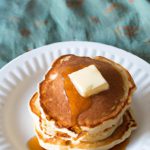
- Classic Pancakes: Use sorghum flour combined with oat flour and a teaspoon of apple cider vinegar for fluffiness and subtle tang.
Top tips for Baking Success and Avoiding Common Gluten-Free Pitfalls
Gluten-free baking can sometimes feel like a science experiment, but with these tips, you’ll navigate common challenges with confidence:
- Measure precisely: Gluten-free flours vary widely in density and moisture content – use a kitchen scale for accuracy.
- Don’t skip resting time: Let the batter rest 10-15 minutes before baking to hydrate flours and improve texture.
- Use fresh ingredients: Baking powder or xanthan gum that’s past its prime won’t give proper rise or binding.
- Test early, test often: Oven temperatures fluctuate; start checking your bake 5-10 minutes before suggested times to prevent overdrying.
- Experiment with liquids: Nut milks, coconut milk, or even brewed tea can be swapped to infuse different flavors and moisture levels.
For more inspiration and expert techniques on gluten-free baking, check out our thorough recipe collection and refer to The Celiac Disease Foundation for reliable gluten-free guidelines.
Q&A
Q&A: delightful Gluten-Free Baking – Tasty Recipes to Try Today
Q1: What makes gluten-free baking different from traditional baking?
A: Gluten-free baking omits wheat, barley, and rye, which contain gluten-a protein that gives traditional baked goods their structure and chewiness. Without gluten, bakers rely on different flours and binding agents to create texture, flavor, and rise. This means experimenting with alternative ingredients and techniques to achieve that perfect crumb and moist bite.
Q2: Which gluten-free flours are best for baking cakes and cookies?
A: Flours like almond, coconut, rice, oat (certified gluten-free), and sorghum each bring unique flavors and textures. Almond flour adds richness and moisture, coconut flour provides a subtle sweetness, and rice or oat flours offer a lighter crumb. Frequently enough, combining several flours works wonders for balancing taste and structure.
Q3: How can I replace gluten’s binding properties in my gluten-free recipes?
A: Ingredients like xanthan gum, guar gum, chia seeds, flaxseeds, or psyllium husk powder can mimic gluten’s elasticity and help hold baked goods together. Such as, flaxseed “egg” (ground flaxseed mixed with water) adds both moisture and binding power, which is perfect for muffins and breads.
Q4: Are gluten-free baked goods naturally healthier?
A: not necessarily. Gluten-free doesn’t automatically mean healthier-it depends on the ingredients. Many gluten-free flours have different nutrient profiles, and some recipes use more sugar or fat to compensate for texture changes. Though, gluten-free baking can be a healthier choice when using whole-food ingredients like nuts, seeds, and natural sweeteners.
Q5: What’s a foolproof beginner-friendly gluten-free baking recipe?
A: A classic choice is gluten-free banana bread. Using ripe bananas, almond flour, a flax egg, and a touch of honey or maple syrup, it’s forgiving and delicious. The banana adds natural moisture and sweetness, resulting in a soft, flavorful loaf that’s hard to mess up.
Q6: How do I prevent gluten-free breads from being dry or crumbly?
A: Moisture is key. Incorporate ingredients like applesauce, yogurt (dairy or plant-based), or mashed avocado to keep the crumb tender. Also, avoid overbaking, as gluten-free breads tend to dry out quickly. Covering the bread while it cools can help retain moisture too.
Q7: Can I use regular baking powder and baking soda in gluten-free recipes?
A: Most baking powders and baking sodas are gluten-free, but always check the labels. Some brands might cross-contaminate or add gluten-containing additives. Opt for products labeled explicitly gluten-free to ensure a safe and tasty result.
Q8: What creative twists can I add to gluten-free muffins or cupcakes?
A: Think beyond vanilla and chocolate! Incorporate fresh fruits like blueberries, raspberries, or chunks of mango, nuts such as walnuts or pistachios, or even spices like cardamom and cinnamon. Topping with shredded coconut or a sprinkle of citrus zest adds flavor and flair.
Q9: how do I store gluten-free baked goods to keep them fresh?
A: Gluten-free items often dry out faster, so store them in an airtight container at room temperature for up to two days. For longer storage, refrigerate or freeze them. When freezing, wrap tightly to prevent freezer burn and thaw gently to maintain moisture.
Q10: Can I substitute gluten-free flour blends 1:1 in my favorite recipes?
A: It depends on the blend-some are designed as direct substitutes, while others require adjustments in liquid or binding agents.Always check the packaging for guidance or start with recipes specifically formulated for gluten-free blends to ensure success.
Embrace the wonderful world of gluten-free baking-it’s a playground of flavors and textures waiting to delight your taste buds today!
future Outlook
As you’ve discovered,gluten-free baking doesn’t have to mean sacrificing flavor or fun. With the right ingredients and a sprinkle of creativity, you can turn simple recipes into delightful treats that everyone will love. Whether you’re new to gluten-free cooking or a seasoned pro looking for fresh inspiration, these tasty recipes invite you to embrace the joy of baking without boundaries. So preheat your oven,gather your favorite gluten-free staples,and let your culinary adventure begin-as delicious,wholesome delights are just a bake away!