
When the sniffles sneak in and the chill of a cold settles deep into your bones, many of us instinctively reach for remedies that promise swift relief. Among nature’s pantry of soothing elixirs, echinacea tea stands out as a gentle yet potent brew known for centuries to ease the discomforts of the common cold. This vibrant purple flower, often called the coneflower, isn’t just a garden beauty-it’s a time-honored ally in the quest for wellness. In this article, we’ll dive into the rich history, healing properties, and brewing secrets of echinacea tea, unveiling how this natural infusion can help you breathe easier and feel better, one comforting sip at a time.
Echinacea tea has long been cherished for its natural immune-boosting prowess, making it a comforting go-to during cold season. This herbal infusion, rooted in Native American tradition, delivers a subtle floral aroma and earthy undertones that gently soothe and stimulate your body’s defenses. Whether you’re battling mild sniffles or seeking a warm wellness ritual, mastering the art of brewing echinacea tea is an empowering way to stay resilient and refreshed.
Prep and Cook Time
- Preparation: 5 minutes
- Steeping: 10 minutes
- Total Time: 15 minutes
Yield
Serves 2 cups
Difficulty Level
Easy
Ingredients
- 2 teaspoons dried echinacea flowers and leaves (organic preferred)
- 2 cups filtered water
- 1 teaspoon raw honey (optional, for natural sweetness)
- 1 slice fresh lemon (optional, for brightness and added vitamin C)
Instructions
- Bring filtered water to a gentle boil in a kettle or saucepan. Avoid rolling boils to preserve delicate herbal properties.
- Place the dried echinacea in a tea infuser or directly into your teapot.
- Pour the hot water over the echinacea, ensuring full immersion for optimal extraction.
- Cover and steep the tea for 10 minutes. Covering traps the essential oils and maximizes immune-boosting compounds.
- strain the tea into your favorite mug if loose herbs were used. Add raw honey and a slice of lemon as desired for enhanced flavor and soothing benefits.
- Sip slowly, enjoying the warm,earthy taste and the comforting ritual it brings to your day.
Tips for Success
- Quality Matters: Use high-quality, organic dried echinacea for the purest taste and potency.
- Steeping time: Avoid steeping more than 15 minutes as it can lead to bitterness.
- customization: Add a cinnamon stick or a small piece of ginger during steeping for extra warmth and immune support.
- Storage: Store dried echinacea in an airtight container away from sunlight to retain freshness.
- Make-Ahead: Brew a larger batch and refrigerate up to 48 hours; reheat gently before drinking.
Serving Suggestions
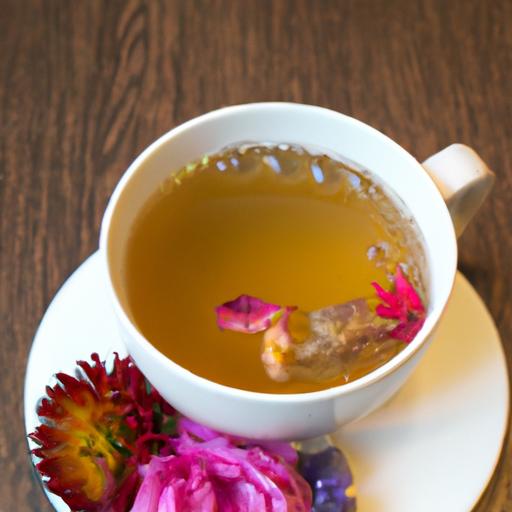
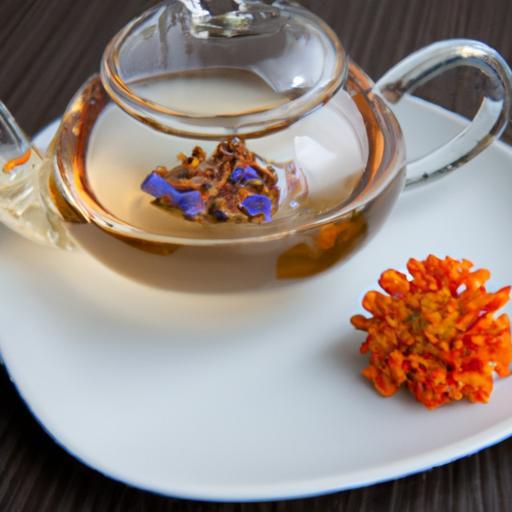
Present your echinacea tea in a clear glass cup to showcase its warm amber color, garnished with a thin lemon wheel perched on the rim.Pair it with a crisp slice of apple or a handful of toasted almonds to balance the herbal notes with a hint of crunch and sweetness. For an added sensory experience, serve alongside a cozy blanket and a good book-the ideal companions to this natural wellness brew.

| Nutritional Info (per 1 cup) | Amount |
|---|---|
| Calories | 5 kcal |
| Protein | 0 g |
| Carbohydrates | 1.3 g |
| Fat | 0 g |
how Echinacea Tea Supports Your Immune System
Rich in natural antioxidants and bioactive compounds, echinacea tea encourages your immune cells to function more efficiently. Research indicates it may reduce the duration and severity of common cold symptoms by stimulating white blood cell activity and easing inflammation. Paired with proper hydration and rest, this tea becomes an invaluable ally for cold relief.
When to Drink Your Echinacea tea
For best results, sip echinacea tea at the first sign of cold symptoms to potentially shorten illness duration. Enjoy up to three cups daily,spaced evenly,to keep your immune system supported. Avoid continuous long-term use beyond 8 weeks without consulting a healthcare professional to prevent possible sensitivity reactions.
Safety Considerations
While echinacea tea is generally safe for most adults, those with allergies to daisies, ragweed, or chrysanthemums should approach with caution. Pregnant or breastfeeding women and individuals on immunosuppressant medication should consult a healthcare provider before incorporating this herbal tea into their routine. For trustworthy scientific insights on echinacea’s benefits and precautions, visit National Center for Complementary and Integrative Health.
For more natural remedies that complement your immune health,check our Herbal Teas for Immune health guide.
Q&A
Q&A: Echinacea Tea – A Natural Brew to Ease Cold Symptoms
Q: What exactly is echinacea tea?
A: Echinacea tea is a herbal infusion made from the dried leaves,flowers,or roots of the echinacea plant,often known as the purple coneflower.Celebrated for centuries by Native American communities, this tea is prized for its immune-boosting properties and soothing effects during cold and flu season.
Q: How does echinacea tea help when you have a cold?
A: Echinacea contains compounds that may stimulate the immune system, helping your body fight off viruses faster. Drinking echinacea tea can ease symptoms like sore throat, congestion, and fatigue, offering a gentle, comforting boost precisely when your body needs it most.
Q: When is the best time to drink echinacea tea for cold relief?
A: For maximum effect,start sipping echinacea tea at the first sign of cold symptoms. Drinking it two to three times daily can help fortify your body’s defenses and may shorten the duration of your illness.
Q: Can echinacea tea be used as a preventive measure against colds?
A: While echinacea tea is most effective at the onset of symptoms, some people choose to drink it regularly during peak cold seasons to help support their immune system. However, it’s wise to consult a healthcare provider before making it a daily habit.Q: Are there any precautions or side effects to be aware of?
A: Echinacea is generally safe for most people, but some may experience allergic reactions, especially those sensitive to plants in the daisy family. It’s best to avoid echinacea tea if you have autoimmune disorders or are pregnant without medical advice.
Q: How do you prepare the perfect cup of echinacea tea?
A: To brew, steep 1 to 2 teaspoons of dried echinacea herb in a cup of hot water for about 10 minutes.Strain, sweeten with a touch of honey or lemon if you like, and enjoy the warm, earthy flavors that carry both comfort and healing vibes.
Q: Can echinacea tea be combined with other herbs?
A: Absolutely! Echinacea pairs wonderfully with herbs like peppermint, ginger, or chamomile, creating blends that not only taste delightful but also enhance cold symptom relief through complementary properties.
Q: Where can I find quality echinacea tea?
A: Echinacea tea is widely available in health food stores, herbal shops, and online. Look for organic or wild-crafted options to ensure the highest quality and potency.
Q: Is echinacea tea suitable for children?
A: Small amounts can be safe for children over the age of two, but it’s critically important to check with a pediatrician first. Kids benefit from gentler dosages and supervision when trying new herbal remedies.
Q: How does echinacea tea compare to conventional cold medicines?
A: unlike synthetic cold remedies that frequently enough mask symptoms or cause drowsiness, echinacea tea works by supporting your body’s natural immune response, offering a holistic and calming approach to wellness without added chemicals.
Enjoy a steaming cup of echinacea tea next time you feel a sniffle coming on – nature’s simple remedy might just be the cozy relief your body craves.
In Summary
As the chill of a cold sets in, reaching for a comforting cup of echinacea tea can be more than just a soothing ritual-it can be a natural ally in your quest for relief. This vibrant brew, steeped in tradition and brimming with potential immune-boosting properties, invites you to embrace nature’s gentle touch when dealing with pesky cold symptoms. While echinacea tea isn’t a magic cure, its blend of antioxidants and anti-inflammatory compounds offers a flavorful way to support your body’s defenses. So, the next time sniffles strike, consider brewing a cup of this herbal infusion-not just for warmth, but for the promise of healing found in every sip.