
When the sniffles start creeping in and your throat feels scratchy, many of us reach instinctively for a warm cup of tea. Among the vast array of herbal brews,Echinacea tea stands out as natureS gentle yet powerful ally against the common cold. known for centuries as a botanical remedy cherished by indigenous communities and herbalists alike, Echinacea offers a blend of soothing relief and immune-boosting properties that can turn a restless, congested day into one of comfort and recovery. In this article, we’ll explore the origins, benefits, and best ways to enjoy Echinacea tea-inviting you to sip your way back to health using a humble flower’s gift.
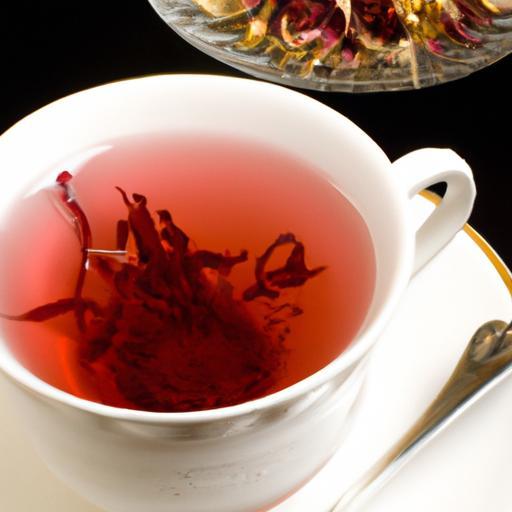
Echinacea tea is a timeless herbal infusion cherished for centuries, known for its remarkable ability to naturally soothe cold symptoms and boost immunity. Drawing from Native American traditions, this golden-hued brew offers a comforting ritual when you feel the first signs of a sniffle or sore throat. The antioxidant-rich roots and petals infuse into a fragrant, slightly floral cup that not only comforts your senses but also works subtly to stimulate your body’s defenses. Whether you’re curled up on the couch or seeking a gentle wellness boost during hectic days, mastering this simple yet powerful remedy will become your seasonal ally.
Prep and Cook Time
Preparation: 5 minutes | Steeping: 10 minutes | Total: 15 minutes
Yield
Serves 2 cups
Difficulty Level
Easy
Ingredients
- 2 teaspoons dried echinacea tea (flower, leaf, or root blend)
- 2 cups filtered water
- 1 teaspoon raw honey (optional, for natural sweetness)
- 1 slice fresh lemon (optional, for brightness and extra vitamin C)
- 1 small piece fresh ginger (about ½ inch, optional, for warming properties)
Instructions
- Boil the water: Bring 2 cups of filtered water to a rolling boil in a kettle or saucepan.
- Prepare the infusion: Place the dried echinacea tea in a heatproof teapot or cup. Add the fresh ginger slice if using, which adds a gentle spice that complements echinacea’s earthiness.
- Steep: Pour the boiling water over the tea and ginger. Cover and allow it to steep for 10 minutes to extract the full medicinal compounds.
- Strain and serve: Use a fine mesh strainer to remove tea leaves and ginger. Pour into your favorite mug.
- Enhance the flavor: Stir in raw honey for soothing sweetness and a slice of lemon for a shining, citrusy twist-both elevate the tea’s comforting qualities.
- Enjoy mindfully: Sip slowly while warm, allowing the healing properties to calm your senses and ease respiratory discomfort.
Tips for Success
- Choose quality: Use organic dried echinacea from a trusted herbalist to ensure purity and potency.
- Customize steep time: Adjust between 8 to 12 minutes; longer steeping intensifies flavor and benefits but may become bitter.
- Make it ahead: Brew a larger batch and refrigerate for up to 48 hours. Warm gently before drinking to preserve nutrients.
- Substitute fresh echinacea: If available, use 1 tablespoon fresh petals and leaves; slightly decrease steep time to 7 minutes.
- Combine for synergy: Add a cinnamon stick or a few elderberries during steeping to amplify immune support and taste complexity.
Serving Suggestions
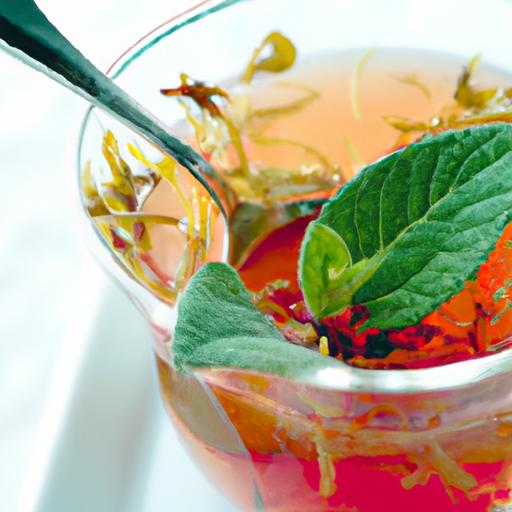
Present your echinacea tea in a clear, glass teacup to showcase its warm amber color. Garnish with a delicate lemon wheel perched on the rim and a sprig of fresh mint or thyme for an aromatic lift. Pair with lightly toasted whole-grain crackers or a slice of ginger-infused lemon cake to complement the tea’s soothing depths. For a cozy ritual, wrap your hands around the cup, close your eyes, and breathe in the intoxicating herbal bouquet-the perfect accompaniment to quiet moments of self-care.
| Nutrient | Per 1 cup serving |
|---|---|
| Calories | 15 (without honey) |
| Protein | 0.3 g |
| Carbohydrates | 4 g |
| Fat | 0 g |
For more immune-boosting herbal blends, explore our Herbal Teas for Health collection.
Discover more about scientific insights on echinacea’s cold-fighting properties from the National Institutes of Health.

Q&A
Q&A: Echinacea Tea: Nature’s Remedy to soothe Your Cold
Q1: What exactly is echinacea, and why is it popular for cold relief?
A: Echinacea is a vibrant flowering plant native to North America, often celebrated for its potential immune-boosting properties. Known as the purple coneflower, echinacea has been used for centuries by Indigenous peoples as a natural remedy. Today, its tea is cherished for helping reduce cold symptoms and supporting your body’s defenses when sniffles strike.
Q2: How does echinacea tea work against colds?
A: Drinking echinacea tea introduces natural compounds called alkamides and polysaccharides, which may stimulate the immune system to fight off viruses more effectively. While not a cure, echinacea tea can soothe sore throats, ease inflammation, and potentially shorten the duration of a cold.
Q3: When is the best time to drink echinacea tea for cold relief?
A: The magic happens when echinacea tea is enjoyed at the very first signs of a cold. As soon as you notice a scratchy throat or mild congestion, sipping on warm echinacea tea can support your immune response and comfort your symptoms throughout the day.
Q4: Can anyone drink echinacea tea safely?
A: generally, echinacea tea is safe for most healthy adults. Though,individuals with allergies to plants in the daisy family or those with autoimmune disorders should consult a healthcare provider before trying it. Pregnant or breastfeeding women should also seek medical advice to ensure it’s safe for them.
Q5: How do you prepare the perfect cup of echinacea tea?
A: Brewing echinacea tea is simple and soothing. Steep 1 to 2 teaspoons of dried echinacea root or leaves in hot water for about 10 minutes. For a comforting twist, add a touch of honey or a slice of lemon to enhance flavor and add extra immune support.
Q6: are there any additional benefits of drinking echinacea tea beyond cold relief?
A: Yes! Besides soothing cold symptoms, echinacea tea may help reduce inflammation and promote overall wellness. Its antioxidants can assist in protecting your cells from stress, making it a cozy companion not only during cold season but as a regular part of your tea ritual.
Q7: How does echinacea tea compare to other herbal teas for cold remedies?
A: While many herbal teas bring warmth and comfort, echinacea stands out for its targeted immune-stimulating effects.Unlike chamomile, which calms and relaxes, or ginger, which aids digestion, echinacea’s unique plant compounds work specifically to bolster your body’s viral defenses.
Q8: Can echinacea tea be consumed daily to prevent colds?
A: Some people enjoy regular cups of echinacea tea during cold season as a gentle immune tonic. however,it’s wise to take periodic breaks sence long-term continuous use might lessen its effectiveness. Moderation is key-sip thoughtfully and listen to your body.
Q9: Are there any side effects to watch for when drinking echinacea tea?
A: Most users experience no side effects, but occasionally, some might develop mild stomach upset or allergic reactions like rash or itching. If you notice unusual symptoms,discontinue use and consult a healthcare professional.
Q10: Where can I find high-quality echinacea tea?
A: Look for reputable herbal stores or online shops that offer organic, sustainably harvested echinacea. Check that the label specifies the part of the plant used-roots, leaves, or flowers-as each has slightly different properties. Freshness and purity ensure the most potent and pleasant tea experience.
Savoring a warm cup of echinacea tea can become a delightful,nurturing ritual-one that brings a splash of nature’s healing power to your day. Whether warding off a cold or simply looking for a wellness boost, this vibrant brew invites you to sip, relax, and let nature do its gentle work.
To Wrap It Up
As the chill of a cold settles in, reaching for a warm cup of echinacea tea can feel like more than just a comforting ritual-it’s nature’s gentle nudge toward healing. Packed with centuries of herbal wisdom and supported by emerging research, this vibrant flower offers a soothing embrace to your immune system when it needs it most. While echinacea tea isn’t a magic cure, its blend of antioxidants and anti-inflammatory properties makes it a trusted companion on the path to recovery. So next time a sniffle or sore throat appears, consider brewing a pot of this floral infusion-letting nature’s remedy warm both your body and spirit, one sip at a time.