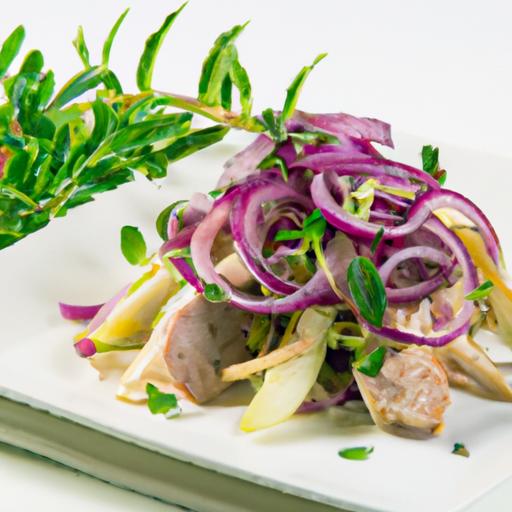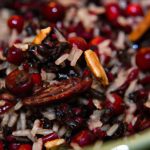

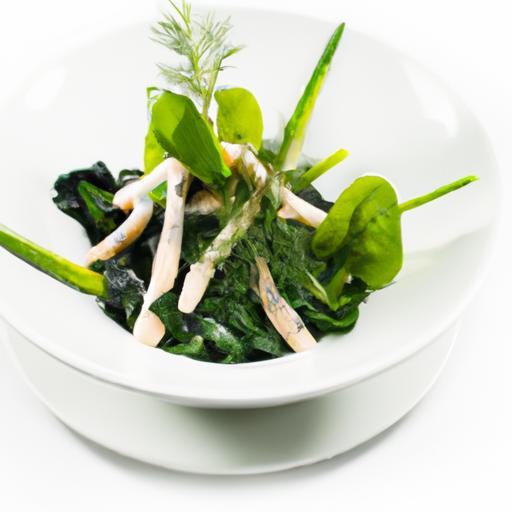
In a world where wellness frequently enough feels like a high-tech puzzle,nature quietly offers some of the most potent solutions right at our fingertips. Imagine transforming your everyday meals into vibrant, health-boosting feasts simply by adding a handful of herbs known not just for their flavor, but for their remarkable ability to strengthen your immune system. From the ancient wisdom of traditional healers to modern scientific discoveries, immune-boosting herbs have stood the test of time as natural allies in promoting well-being. In this article,we’ll explore how to harness nature’s power by cooking with these fragrant,healing plants-inviting you to infuse your kitchen with both taste and vitality. Get ready to spice up your recipes and fortify your body, one herb at a time.
Harness nature’s power is the heart of this vibrant Immune-Boosting Herb Chicken Stew, a comforting dish that draws from centuries-old herbal traditions. This recipe brilliantly layers fresh thyme, rosemary, and dried oregano with garlic and ginger, creating a fragrant, nourishing stew designed to support your immune system while tantalizing your taste buds. Inspired by a family recipe passed down through generations, this stew celebrates the alchemy of combining herbs known for their healing properties with wholesome ingredients to form a bowl of wellness and flavor.
Prep and Cook Time
- Prep Time: 20 minutes
- Cook Time: 50 minutes
- Total Time: 1 hour 10 minutes
Yield
Serves 4 hearty portions
Difficulty level
Easy to medium – perfect for home cooks looking to explore herbs in cooking
ingredients
- 2 tablespoons olive oil
- 1 medium onion, finely chopped
- 3 cloves garlic, minced
- 1-inch piece fresh ginger, grated
- 4 bone-in, skin-on chicken thighs
- 1 teaspoon dried oregano
- 2 teaspoons fresh thyme leaves, chopped
- 1 teaspoon fresh rosemary, finely chopped
- 2 medium carrots, cut into rounds
- 2 celery stalks, diced
- 3 medium tomatoes, chopped
- 4 cups low-sodium chicken broth
- 1 cup pearl barley, rinsed
- Salt and fresh cracked black pepper, to taste
- Zest and juice of 1 lemon
- Fresh parsley, finely chopped, for garnish
Instructions
- heat the olive oil in a large heavy-bottomed pot over medium heat. Add the chopped onion and sauté until translucent,about 5 minutes.
- Add the garlic and grated ginger, stirring constantly for 1 minute to release their aroma without burning.
- Season the chicken thighs generously with salt, pepper, and dried oregano.Place them skin-side down in the pot and cook until the skin is golden brown and crisp, about 6-7 minutes. Flip and cook another 3 minutes. Remove chicken and set aside.
- In the same pot, add fresh thyme, rosemary, carrots, and celery. Sauté until veggies soften and herbs are fragrant, approximately 8 minutes, stirring frequently enough to prevent sticking.
- Deglaze the pot by adding the chopped tomatoes. Cook for 5 minutes until tomatoes break down and meld with vegetables.
- Add the rinsed pearl barley and stir to coat with the tomato-herb mixture. Pour in the chicken broth, scraping up any browned bits from the pot bottom.
- Return the browned chicken thighs to the pot,nestling them in the liquid. Bring the stew to a gentle boil, then reduce the heat to low. Simmer uncovered for 40 minutes, stirring occasionally, until barley is tender and chicken is cooked through.
- Remove chicken thighs, shred the meat off the bone, and return the meat to the stew, discarding bones and skin.
- Stir in lemon zest and juice. Adjust seasoning with salt and black pepper as needed.
- Serve hot, sprinkled with fresh parsley for a burst of color and freshness.
Chef’s Notes
- substitute pearl barley with quinoa or brown rice for a gluten-free option.
- Use dried herbs in winter when fresh are unavailable; increase dried herbs by 25% to maintain flavor intensity.
- Make ahead tip: this stew tastes even better the next day after flavors meld. Store in the refrigerator for up to 3 days.
- For an extra immune-boost, stir in a teaspoon of turmeric powder during step 6 along with the broth.
Serving Suggestions
This hearty stew shines served with crusty whole-grain bread or over a bed of creamy mashed cauliflower for a low-carb alternative. A drizzle of high-quality extra virgin olive oil and a sprinkle of toasted pumpkin seeds add texture and richness. For a refreshing contrast,garnish with thinly sliced radishes or a wedge of lemon on the side to brighten the dish.

| Nutrient | Per Serving |
|---|---|
| Calories | 380 kcal |
| Protein | 35 g |
| Carbohydrates | 30 g |
| Fat | 12 g |
Explore more creative ways to incorporate fresh and dried herbs into your meals to continually harness nature’s power.
For authoritative insights on the medicinal properties of herbs, visit the National Institutes of Health herbal supplement guide.
Q&A
Q&A: Harness Nature’s Power – Cooking with immune-Boosting Herbs
Q1: Why should I incorporate immune-boosting herbs into my everyday cooking?
A1: Immune-boosting herbs bring more than just flavor to your dishes-thay pack a rich arsenal of antioxidants, vitamins, and antimicrobial compounds. These natural warriors help strengthen your body’s defenses, reduce inflammation, and can even speed up recovery from illnesses. Plus, cooking with them transforms your meals into vibrant, health-enhancing experiences.
Q2: Which herbs are considered top contenders for immune support?
A2: Star players include turmeric, known for its curcumin content that fights inflammation; garlic, a powerhouse with allicin that battles viruses and bacteria; ginger, invigorating digestion and immunity; echinacea, widely used to reduce symptom duration; and fresh herbs like oregano, thyme, and basil that contain potent antiviral and antibacterial oils.
Q3: How can I easily incorporate these herbs into my cooking?
A3: Think beyond just sprinkling herbs on your dish.Create soothing broths with fresh ginger and garlic, blend turmeric into creamy soups or golden lattes, toss oregano and thyme into hearty stews, or whip up vibrant pestos with basil and parsley. Immune-boosting herbs can flavor marinades, dressings, and even desserts, enriching both taste and health.
Q4: Is it better to use fresh or dried herbs when aiming for immune benefits?
A4: Both have their merits! Fresh herbs offer a punch of lively flavor and a wide spectrum of nutrients. Dried herbs, however, concentrate their essential oils and remain potent over a longer shelf life. For maximum immune support, combine both-start with a base of dried herbs in slow-cooked dishes and finish with a sprinkle of fresh for bright, aromatic notes.
Q5: Can cooking diminish the medicinal properties of these herbs?
A5: Some compounds are heat-sensitive, while others become more bioavailable after cooking. Such as, turmeric’s curcumin absorbs better with a little fat and gentle heat, while raw garlic delivers more allicin before being cooked. To reap full benefits, balance your approach: add garlic towards the end of cooking or enjoy it raw in dressings, and simmer turmeric to unlock its magic.
Q6: Are there any creative recipe ideas to kickstart cooking with immune-boosting herbs?
A6: Absolutely! Try a warming ginger-turmeric tea infused with lemon and honey for a soothing immune tonic. Whip up a garlic and herb roasted vegetable medley with thyme and oregano. Or blend fresh basil, parsley, and lemon juice into a zesty chimichurri to brighten grilled vegetables or plant-based proteins. Let these herbs inspire you to experiment boldly!
Q7: Can children safely enjoy dishes flavored with these herbs?
A7: Most immune-boosting herbs are gentle and safe for children when used in culinary amounts. However, introduce new flavors gradually, especially stronger herbs like oregano or concentrated supplements like echinacea.Making colorful, flavorful meals with gentle herbs such as basil and parsley can nurture healthy habits from an early age.Q8: Beyond flavor and immunity, what additional benefits do these herbs offer?
A8: Many immune-enhancing herbs provide digestive support, anti-inflammatory effects, and even mood-enhancing properties. For example, ginger aids nausea, basil calms anxiety, and turmeric supports joint health. by cooking with these herbs regularly, you cultivate well-rounded wellness that touches multiple facets of your health.
Q9: how do immune-boosting herbs fit into plant-based or vegetarian diets?
A9: They’re a perfect match! Immune herbs enrich plant-based meals with depth and complexity, delivering essential phytonutrients often missed in meatless diets. Use garlic, thyme, and rosemary to elevate lentil soups, turmeric and ginger to brighten vegetable curries, and fresh herbs like cilantro and mint to vivify salads and grain bowls.
Q10: Where can I source quality immune-boosting herbs?
A10: Seek fresh herbs at farmers’ markets or grow your own in a sunny windowsill garden for peak freshness. High-quality dried herbs are available at specialty spice shops or reputable online purveyors. Choose organic when possible to avoid contaminants, and store dried herbs in airtight containers away from light to preserve their potency.embrace the natural wisdom hidden in your herb garden and kitchen pantry-every pinch, chop, and simmer brings you closer to a stronger, healthier you!
Insights and Conclusions
As we’ve explored, the kitchen is more than just a place to prepare meals-it’s a gateway to nature’s vibrant pharmacy. By weaving immune-boosting herbs like turmeric, garlic, ginger, and rosemary into your cooking, you invite wellness to the table with every bite. These humble plants, nurtured by sun and soil, carry centuries of healing wisdom, ready to support your body’s natural defenses. So next time you reach for a spice jar or herb bundle, remember: you’re not just seasoning a dish-you’re harnessing nature’s power to nourish, protect, and revitalize. Embrace the art of cooking with these botanical allies, and let your meals be a appetizing celebration of health from the earth to your plate.