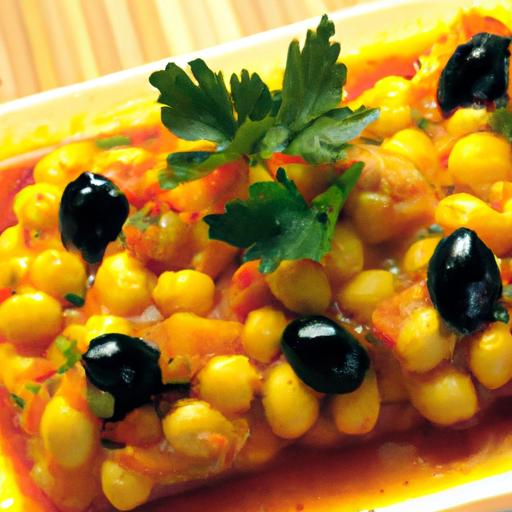

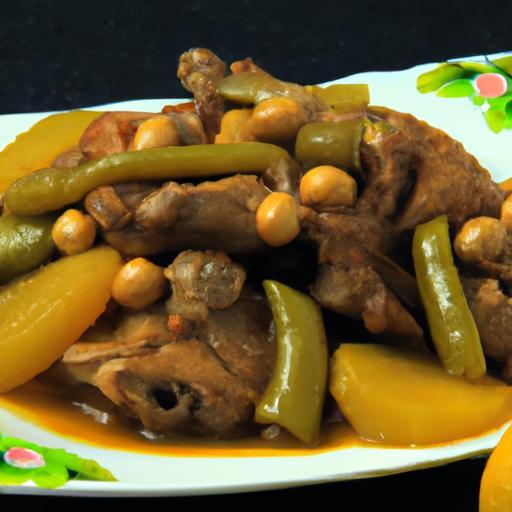
As the sun sets and the call to Maghrib prayer resonates, the anticipation of Iftar fills the air with a unique blend of spirituality and togetherness.Ramadan is not just a month of fasting; it is a celebration of faith, family, and flavors that bring comfort after a day of reflection and restraint. Central to this cherished evening ritual are the main courses-hearty, nourishing dishes that not only replenish the body but also warm the soul. In this article, we delve into a selection of sumptuous Iftar main course recipes designed to satisfy hunger and delight the senses, transforming your Ramadan evenings into memorable feasts worth savoring. Whether you seek traditional classics or innovative creations, these dishes promise to elevate your Iftar experience with every bite.
Wholesome Ingredients That Bring tradition to Your Table
Hearty Iftar Main course Recipes to Savor This Ramadan unlock a world of rich aromas, soulful textures, and vibrant flavors-perfect for replenishing your energy after a day of fasting. This recipe celebrates the balance between tradition and nutrition, inspired by classic Middle Eastern and South Asian dishes that warm the table with every bite.Whether you’re breaking your fast with family or friends, these recipes offer a satisfying, wholesome centerpiece that feels both timeless and comforting.
Prep and Cook Time
- Readiness: 20 minutes
- Cooking: 40 minutes
- Total Time: 60 minutes
Yield
serves 6 hearty portions
difficulty Level
Medium – approachable for cooks with basic kitchen experience, yet notable enough for a festive meal
Ingredients
- 2 cups basmati rice, rinsed and soaked for 30 minutes
- 1 lb boneless chicken thighs, cut into bite-sized pieces
- 1 large onion, finely sliced
- 3 cloves garlic, minced
- 1-inch piece fresh ginger, grated
- 2 medium tomatoes, pureed
- 1 cup Greek yogurt, whisked
- 1/4 cup vegetable oil
- 1 tsp turmeric powder
- 1 tsp ground cumin
- 1 tbsp garam masala
- 1 tsp red chili powder (adjust to taste)
- 1/4 cup chopped fresh cilantro for garnish
- 1/4 cup roasted cashews (optional, for garnish)
- Salt to taste
- 2 1/2 cups water
Instructions
- Drain the soaked basmati rice and set aside while you prepare the chicken curry base.
- Heat the vegetable oil in a large, heavy-bottomed pan over medium heat. add the onions and sauté until golden brown, about 10 minutes, stirring frequently to avoid burning.
- Add garlic and ginger; cook for 2 minutes until fragrant,stirring often.
- Incorporate turmeric, cumin, red chili powder, and salt. Toast the spices with the aromatics for a minute to deepen the flavors.
- Add the chicken pieces to the pan. Sear until lightly browned on all sides, about 5 minutes.
- Pour in the pureed tomatoes and simmer on low heat for 10 minutes, stirring occasionally, until the oil starts to separate from the sauce.
- Stir in the Greek yogurt gradually to prevent curdling, blending it smoothly with the curry base.
- Add garam masala, cover the pan, and let the curry simmer gently for 15 minutes until the chicken is tender and cooked through.
- Simultaneously occurring, bring water to a boil in a separate pot, add salt, and gently add the drained rice.
- Cook the rice on medium heat until it is 70% done (grain still firm), than drain excess water if necessary.
- Layer the partially cooked rice over the chicken curry in the pan, cover tightly, reduce heat to low, and let steam for 10 minutes to marry the flavors and finish cooking the rice.
- Garnish with chopped cilantro and roasted cashews just before serving for an added crunch and fresh vibrancy.
Tips for Balancing Taste and Nutrition in Your Iftar Meals
- Yogurt enriches the curry while providing beneficial probiotics-make sure to whisk it well before adding to avoid lumps.
- Using boneless chicken thighs enhances juiciness and tenderness, making every bite luscious and satisfying.
- Soaking basmati rice not only shortens cooking time but also ensures fluffy, separate grains that don’t clump.
- for a vegetarian version, substitute chicken with hearty vegetables like cauliflower and chickpeas, adjusting cooking times accordingly.
- Prepare components ahead: The curry base can be made a day in advance and refrigerated; simply reheat and add fresh rice before serving.
serving Suggestions
Present this dish with a side of fresh cucumber and mint raita to cool the palate, along with warm, fluffy naan or whole wheat roti.A vibrant salad of sliced radishes, cherry tomatoes, and lemon wedges makes a refreshing accompaniment. For a final touch, drizzle the top with a little melted ghee or a squeeze of fresh lemon juice to enhance the flavors and add a glaze of richness.

| Nutrient | Amount per Serving |
|---|---|
| Calories | 480 kcal |
| Protein | 32 g |
| Carbohydrates | 52 g |
| Fat | 12 g |
For those interested in exploring more nourishing ideas, check out our guide to wholesome side dishes that complement hearty Iftar main course recipes perfectly. To deepen your understanding of the nutritional benefits of traditional ingredients, visit The Nutrition Society.
Q&A
Q&A: hearty Iftar Main Course Recipes to Savor This Ramadan
Q1: What makes a main course “hearty” and perfect for iftar during Ramadan?
A1: A hearty iftar main course is one that’s rich in flavour, nourishing, and satisfying enough to replenish energy after a day of fasting.It typically includes a good balance of proteins, wholesome carbs, and vibrant spices that revive the palate and warm the soul. These dishes are often comforting yet wholesome, designed to gently ease you back into eating while celebrating the meal with family and friends.Q2: Which ingredients are best suited for creating filling, wholesome iftar main courses?
A2: Staples like tender lentils, aromatic basmati rice, succulent chicken, fresh vegetables, chickpeas, fragrant spices such as cumin and coriander, and natural sources of protein like fish or lamb-when permissible-are fantastic foundations. Incorporating nuts, herbs, and slow-cooked sauces also amps up texture and depth, creating a truly satisfying experience that fuels the body and delights the senses.
Q3: Can you suggest a few creative main course ideas that capture the spirit of Ramadan?
A3: Absolutely! Think along the lines of a fragrant chicken biryani layered with caramelized onions and saffron-infused rice, a wholesome vegetable tagine slow-simmered with warming spices and dried fruit, or a rich lentil stew with hints of ginger and turmeric served alongside fluffy flatbreads. Another showstopper is grilled fish marinated in aromatic herbs and citrus, offering a light yet satisfying centerpiece after sunset.
Q4: How can one balance nutrition and taste in iftar main courses?
A4: The secret is combining nutrient-dense ingredients with bold flavors. Start with a protein source to replenish muscle energy-like beans, lentils, or lean meats. Add complex carbs such as whole grains or root vegetables for sustained energy release. Layer in spices and herbs for antioxidants and extra zest, and include fresh or lightly cooked vegetables for fiber and vitamins. This balance ensures the meal is both tasty and nourishing, supporting your body’s recovery post-fast.
Q5: Are there tips for preparing these hearty dishes so they don’t feel too heavy after a day of fasting?
A5: Certainly! Opt for cooking methods like grilling, roasting, or slow simmering to preserve nutrients without excess oil or heaviness. Use vibrant herbs and spices to elevate flavors naturally. Keep portion sizes mindful by serving accompaniments like fresh salads or simple soups to complement the main dish. And don’t rush-savor each bite slowly to aid digestion and truly enjoy the feast.
Q6: How can these main course recipes be adapted for different dietary preferences or restrictions?
A6: Most hearty iftar main courses are wonderfully versatile. For vegetarians or vegans, substituting meats with lentils, chickpeas, or tofu works beautifully. Gluten-free options can be created by swapping traditional breads or grains with millet, quinoa, or rice. Adjusting spices to suit milder or bolder palates is easy, and adding seasonal vegetables can personalize the dish for freshness and variety.
Q7: What role do traditional spices and herbs play in these Ramadan dishes?
A7: Spices and herbs are the culinary storytellers of Ramadan kitchens. They infuse dishes with warmth, depth, and a connection to cultural heritage. Ingredients like cinnamon, cardamom, turmeric, and fresh mint do more than flavor food-they soothe, aid digestion, and awaken the appetite after fasting.Their aromatic presence turns simple ingredients into memorable feasts that honor the spirit of the holy month.
Q8: Can you share a speedy tip for making iftar main courses more efficient for busy Ramadan evenings?
A8: One clever trick is to prepare spice blends or marinades ahead of time and store them in the fridge. Batch-cooking staple sauces or grains in advance also saves precious time. That way, when it’s time to break the fast, you can quickly assemble or finish cooking your main course without giving up the richness and heartiness that makes iftar so special.
To Wrap It Up
As the sun sets and the call to prayer echoes through the evening air, these hearty iftar main course recipes invite you to gather around the table, nurturing both body and soul. Whether you seek comforting classics or vibrant new flavors, each dish offers a delicious way to honor the spirit of Ramadan – a time of reflection, gratitude, and togetherness. So this season,let your kitchen be a haven where tradition meets taste,and every meal becomes a celebration to savor long after the last bite. Ramadan Mubarak!