
There’s something undeniably captivating about the perfect sear-a dance of high heat and delicate timing that transforms humble tuna into a masterpiece of flavor and texture. Mastering seared tuna is more than just a cooking technique; it’s an art form that balances the ocean’s freshness with a caramelized crust, delivering a sensational culinary experience in every bite.Whether you’re a seasoned home cook or an adventurous foodie, this guide will take you through the essentials and secrets to achieving flawlessly seared tuna, unlocking a world of vibrant tastes and elegant presentation that promise to elevate your kitchen repertoire. get ready to embark on a flavorful journey where simplicity meets sophistication on your plate.
Choosing the Perfect Tuna Cut for Optimal Flavor and Texture
Mastering seared tuna starts with selecting the right cut to guarantee a sublime balance of rich flavor and tender texture. The best tuna cuts for searing are typically from the loin-specifically the ahi (yellowfin) or bigeye tuna. These cuts showcase a vibrant deep red color and a firmness that holds up beautifully to a swift, high-heat sear. Avoid cuts that look pale or overly dark as they can be less flavorful or tougher in texture.
Look for steaks or fillets that are at least 1 to 1.5 inches thick; this allows the exterior to caramelize perfectly while preserving a cool, sashimi-like center.When you select tuna from your fishmonger, ask for sashimi-grade quality to ensure freshness and safety. This cut is lean but richly savory, offering a luxurious mouthfeel that only a properly seared tuna can deliver.
Essential Marinades and Seasonings to Elevate Your Seared Tuna
Achieving the perfect flavor profile in seared tuna hinges on the marinade and seasoning palette you choose. A simple yet bold marinade of soy sauce, toasted sesame oil, freshly grated ginger, and a touch of honey or maple syrup perfectly complements the tuna’s natural umami without overpowering it.
For seasoning, a sprinkle of sea salt and freshly cracked black pepper just before searing is essential. You may also incorporate cracked white pepper and a dusting of sesame seeds for added texture and a nutty accent. For an extra layer of complexity, a hint of smoked paprika or freshly ground Sichuan peppercorns works beautifully.
Mastering the Art of the Perfect Sear: Techniques for Ideal Doneness
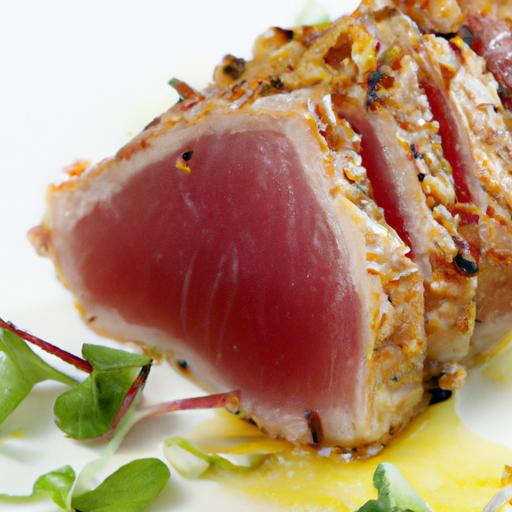
The hallmark of mastering seared tuna lies in executing a precise, high-heat sear that leaves the interior pink and tender while creating a crisp, flavorful crust on the outside. Start by patting your tuna dry with paper towels to ensure maximum browning. Heat a heavy skillet or cast iron pan until it is smoking hot.
Brush the tuna lightly with oil-grapeseed or avocado oil works best due to their high smoke points. Lay the tuna carefully into the pan and sear undisturbed for 45-60 seconds per side, depending on thickness. The exterior should develop a deep golden crust while the center remains rare to medium-rare-a rosy jewel in the middle.
Pro tip: Use tongs to gently turn the tuna, and avoid overcooking as it quickly turns dry. A digital instant-read thermometer set to 115-120°F internal temperature helps achieve perfect doneness.
Creative Serving Suggestions and Pairings to Impress Your Guests
Once you’ve achieved the flawless sear, presenting your dish with complementary textures and flavors will impress any guest. Slice the tuna into ½-inch thick medallions to showcase that striking contrast of crisp crust and pink center. Arrange the slices on a large platter atop a bed of arugula or microgreens dressed lightly in lemon vinaigrette for brightness.
Complement the tuna with a vibrant avocado puree or wasabi aioli for creaminess and a touch of heat.for crunch,add toasted sesame seeds or thinly sliced radishes. Pairing it with a refreshing side like a mango-jicama slaw or a light cucumber salad adds a crisp, citrusy element that balances the richness of the fish.
For a striking visual and flavor contrast, drizzle with dark soy glaze and garnish with finely sliced scallions and edible flowers. Serve with steamed jasmine rice or crispy wonton chips to round out this sophisticated dish.
Prep and Cook Time
- Readiness: 10 minutes
- Marinating: 15-30 minutes
- Cooking: 3-4 minutes
- Total Time: Approximately 25-40 minutes
Yield
Serves 4 elegantly as an appetizer or light entrée.
Difficulty Level
Medium – perfect for home cooks ready to elevate their culinary skills.
Ingredients
- 4 (6 oz) sashimi-grade tuna loin steaks, about 1 to 1.5 inches thick
- 2 tbsp soy sauce (or tamari for gluten-free)
- 1 tbsp toasted sesame oil
- 1 tsp fresh ginger,finely grated
- 1 tsp honey or pure maple syrup
- 2 tbsp grapeseed oil,for searing
- Sea salt and cracked black pepper,to taste
- 1 tbsp sesame seeds,optional
- 1 tbsp fresh lime juice
- microgreens or arugula,for serving
- Thinly sliced radishes or jicama,for garnish
- Wasabi aioli or avocado puree,for plating
Instructions
- Prepare the marinade: In a shallow dish,whisk together soy sauce,sesame oil,grated ginger,and honey. add tuna steaks and turn to coat evenly. Let marinate in the refrigerator for 15-30 minutes.
- Preheat your skillet: Heat a cast iron or heavy-bottom skillet over high heat until it starts to smoke lightly.
- Pat dry the tuna: Remove tuna from marinade, blot gently with paper towels to ensure dry surface for better searing.
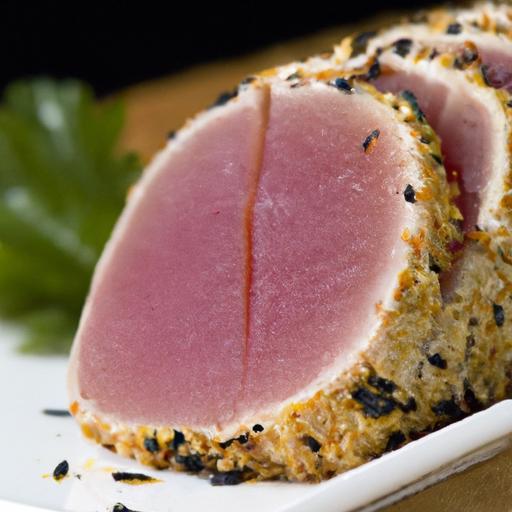
- Season: sprinkle sea salt and cracked black pepper on both sides of the tuna. Optionally, press sesame seeds into the surface for extra crunch.
- Sear the tuna: Brush the pan lightly with grapeseed oil. Place tuna steaks in the hot pan and sear without moving for 45-60 seconds per side, depending on thickness for rare to medium-rare. use tongs to flip gently.
- Rest and slice: Transfer tuna to a cutting board and let rest for 2 minutes. Slice into ½-inch medallions.
- Plate and garnish: Arrange tuna slices over a bed of arugula or microgreens dressed with lime juice. add wasabi aioli or avocado puree alongside. Garnish with thin radish slices and sprinkle with additional sesame seeds.
Tips for Success
- Always source sashimi-grade tuna to ensure safety and premium flavor.
- Marinate no longer than 30 minutes to avoid the fish becoming mushy.
- Use a very hot pan and avoid overcrowding for a clean sear.
- If you prefer more doneness, sear slightly longer but beware of drying out the fish.
- Make ahead: Tuna can be marinated up to 2 hours before cooking; keep refrigerated.
- For an extra aroma boost, add a few drops of toasted sesame oil over the finished slices.
Serving Suggestions
Serve the seared tuna slices with a light cucumber and mango salsa or a tangy ginger-soy dipping sauce to complement the natural savoriness. Incorporate crunchy textured sides like fried wonton strips or roasted edamame. Garnishing with edible flowers or nori strips adds an elegant visual punch. Pair with steamed jasmine rice or a simple quinoa salad to create a balanced, restaurant-quality experience at home.

| Nutrient | Per Serving (6 oz) |
|---|---|
| Calories | 220 kcal |
| Protein | 40 g |
| Carbohydrates | 4 g |
| Fat | 5 g |
For further inspiration on utilizing fresh seafood in your kitchen, explore our collection of pan-seared fish recipes. To learn more about tuna varieties and health benefits, visit the extensive guide from FDA’s advice on eating fish.
Q&A
Q&A: Mastering Seared tuna – A Flavorful Culinary Delight Guide
Q1: what makes seared tuna such a beloved dish among seafood enthusiasts?
A1: Seared tuna strikes the perfect balance between a tender,raw interior and a flavorful,caramelized crust. This contrast in texture and taste creates an irresistible sensory experience,showcasing the freshness and natural richness of the fish while introducing a smoky,umami-packed exterior.
Q2: Which tuna cut is best suited for searing, and why?
A2: Tuna loin is the star cut for searing, notably the upper loin or the “saku” block. Its firm yet tender flesh sears beautifully while maintaining a pleasantly rare center. The thickness of the loin allows for even cooking and helps preserve the delicate mouthfeel prized in this dish.
Q3: How should the tuna be prepared before it hits the hot pan?
A3: Pat the tuna dry to ensure a perfect sear and season simply with salt and freshly ground pepper to enhance its natural flavor. For added depth, you can lightly coat the surface with sesame seeds, cracked black peppercorns, or a thin layer of crushed spices such as coriander or cumin.
Q4: What’s the secret to achieving that perfect sear without overcooking?
A4: high heat and speed are your best allies. Preheat a heavy skillet or cast-iron pan until it’s smoking hot, then sear the tuna for just 30 to 60 seconds per side, depending on thickness. This flash-cooking method locks in juices and preserves the rare center while creating a golden crust outside.
Q5: Are there any recommended oils or fats to use for searing tuna?
A5: Use oils with a high smoke point, like grapeseed, avocado, or refined coconut oil. These ensure the pan reaches the right temperature without burning, allowing that delicious Maillard reaction to develop on the tuna’s surface.
Q6: Which complimentary flavors and garnishes elevate seared tuna dishes?
A6: Bright, acidic components like a squeeze of fresh lemon or lime juice brighten the dish. Fresh herbs such as cilantro or basil add aromatic layers. For a touch of contrast, offer a vibrant dipping sauce or salsa featuring ingredients like ginger, scallions, sesame, or a dash of chili for heat.
Q7: How can seared tuna be incorporated into meals beyond the classic steak presentation?
A7: Think beyond the plate! Slices of seared tuna make excellent toppings for sushi bowls, salads, or vibrant grain bowls. Incorporate them into wraps or serve alongside roasted vegetables for a balanced and elegant meal.
Q8: What are some common mistakes to avoid when searing tuna?
A8: overcooking is the prime pitfall-seared tuna should never be cooked through. Also, overcrowding the pan lowers the temperature, preventing a proper sear and resulting in steamed or soggy fish. Lastly, skipping the drying step can lead to uneven browning.Q9: How does the freshness of tuna affect the final flavor and texture?
A9: Freshness is paramount. Fresh tuna has a clean, vibrant flavor and firm meat that holds up to high heat. Older fish can taste off and exhibit mushy texture, which undermines the seared tuna’s hallmark quality and enjoyment.
Q10: Can seared tuna be prepared ahead of time without losing its culinary appeal?
A10: While best served immediately,you can cook tuna steaks ahead and chill them briefly. Simply reheat gently or serve cold, sliced thin, as part of a composed salad or appetizer platter. For peak flavor and texture, however, searing just before serving remains the gold standard.
The Conclusion
As you close the chapter on mastering seared tuna, remember that this culinary delight is as much an art as it is indeed a science. from selecting the freshest fish to perfecting the sear, each step invites you to engage all your senses and elevate your cooking to new heights.Whether served as a sophisticated appetizer or the star of your main course, seared tuna offers a harmonious blend of textures and flavors that tantalize the palate. Armed with these insights and techniques, you’re now ready to transform a simple cut of fish into an unforgettable dining experience-one sear at a time. So, don your chef’s apron, trust your instincts, and let the journey of flavors begin.