
In a world overflowing with colorful packages and eye-catching claims, the humble nutrition label often goes unnoticed-yet it holds the key to unlocking smarter, healthier eating choices. “Decoding Nutrition Labels: Your Guide to Smart Eating Choices” invites you on a journey beyond the small print, revealing the stories hidden behind those numbers and abbreviations. Whether you’re navigating the aisle for the first time or seeking to sharpen your grocery game,understanding what’s really inside your food can transform the way you nourish your body and fuel your life. Prepare to become a savvy label reader and empower yourself with knowledge that turns shopping into a mindful, healthful adventure.
Decoding nutrition labels is the cornerstone of making smarter, healthier eating decisions every day. When you truly understand serving sizes, daily values, and ingredient lists, you gain the power to transform your grocery shopping and meal planning into an intentional, nourishing experience. This guide will gently unravel the mysteries behind nutritional jargon and inspire you to take confident steps toward balanced nutrition through intuitive portion control and clever ingredient swaps.
Prep and Cook Time
- Prep Time: 10 minutes
- Cook Time: N/A (Focus is on label reading and grocery planning)
Yield
Serves: Unlimited (applies to all your grocery and meal planning choices!)
Difficulty Level
Easy - Perfect for food enthusiasts and health-conscious eaters alike
Ingredients
- Nutrition Labels from packaged foods and drinks you regularly consume
- Highlighting pen or marker for noting key info
- Notebook or smartphone app to track daily values and serving sizes
- A smart grocery list focusing on whole foods and smart swaps
Step-by-step guide to Mastering Nutrition Labels and Smarter Shopping
- Start with the serving size. Locate this at the top of the label. Serving sizes dictate all other nutritional figures. Compare it mindfully to how much you typically eat in one sitting-such as, many cereal packages have serving sizes smaller than you might assume.
- Check daily Values (%DV) for vital nutrients. As a general guide, 5% DV or less per serving is low, while 20% or more is high. target high %DV for fiber and protein, but keep saturated fats, added sugars, and sodium low.
- Scan the ingredient list with a detective’s eye. Ingredients are listed by weight from highest to lowest. Hidden sugars can masquerade under names like “maltose,” “corn syrup,” or “evaporated cane juice.” Additives and preservatives, such as “sodium benzoate” or “monosodium glutamate,” might lurk where you least expect.
- Understand macronutrients. Balance is key: aim for complex carbohydrates (whole grains, vegetables), lean proteins (fish, legumes), and healthy fats (avocado, nuts, olive oil). Knowing how to read grams on the label and relate them to your nutritional goals empowers healthier choices.
- Make smart swaps in your cart. Replace sugary snacks with whole fruit, swap creamy dressings for vinaigrettes made with olive oil, and choose plain yogurt instead of flavored varieties to cut back on added sugars.
- Use portion control as your ally. use measuring cups or a food scale initially to get a feel for correct serving sizes. Visual aids can help-one serving of meat, for exmaple, is about the size of a deck of cards.
- Keep learning and experimenting. The more you read labels and make intentional choices, the easier it becomes to recognize patterns and pick products that truly fuel your body without regrettable extras.
Chef’s Notes and Tips for Success
- Use apps designed to scan nutrition labels-many provide instant health scores and ingredient breakdowns. This speeds up the learning process immensely.
- Watch out for serving size tricks. Items like soda or chips frequently enough package multiple servings together. Pour a measuring cup to see what a true serving feels like.
- Don’t be discouraged by ingredient lists-they’re a roadmap. Over time, you’ll recognize common additives and sugars effortlessly.
- Opt for whole, unprocessed foods first. Learning to read labels is crucial, but shopping the perimeter of stores usually increases your intake of nutrient-dense foods naturally low in additives.
- Make grocery shopping a mindful ritual. Take time to compare labels side by side. sometimes, small price differences hide big nutritional wins.
Serving Suggestions
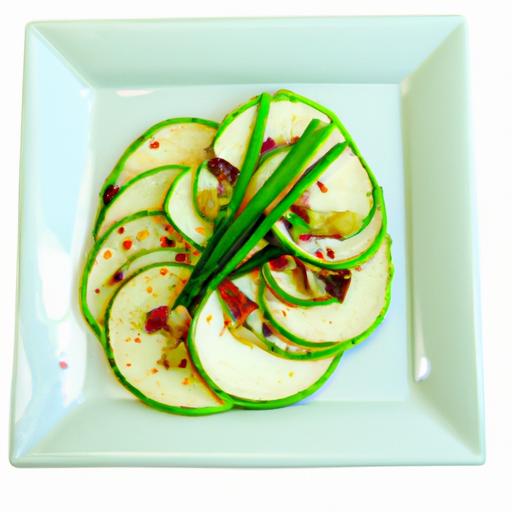
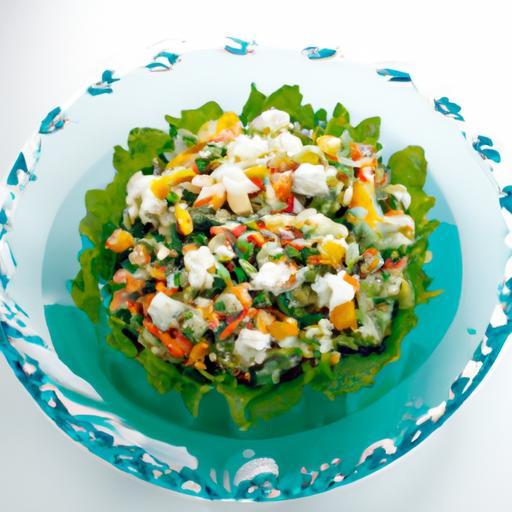
Turn your newfound label savvy into delightful meals! For instance, create vibrant salads featuring a rainbow of fresh veggies, grilled lean proteins, and a drizzle of homemade, label-conscious dressings. snack smart with portion-controlled nuts or fresh fruit rather of packaged treats. Present your plate with balanced colors and textures-think crisp greens, creamy avocados, and roasted root vegetables-to celebrate nourishing choices visually.

| Nutrient | Calories | Protein (g) | carbohydrates (g) | Fat (g) |
|---|---|---|---|---|
| Recommended Serving | 2000 kcal/day | 50 g | 275 g | 70 g |
| Balanced Plate Example | 450 | 30 | 50 | 15 |
For further detailed insights on creating healthy grocery lists and interpreting food labels, visit the choosemyplate official website. And if you enjoyed this guide to smart portion control and decoding nutrition labels, don’t miss our in-depth article on Healthy Snacking Tips to elevate your daily nutrition.
Q&A
Q&A: Decoding Nutrition Labels – Your Guide to Smart Eating Choices
Q1: Why should I even bother reading nutrition labels?
A1: Nutrition labels are like secret maps to your food’s true story. They reveal what’s packed inside that tempting snack or colorful package-letting you make smarter choices about what fuels your body. Think of them as your personal guide to staying energized, healthy, and in control.
Q2: Where do I start when looking at the nutrition label?
A2: The first stop is the Serving Size-this little detail sets the stage.Everything on the label is based on this amount, so if you munch more or less, you’ll need to adjust accordingly.Next, glance at Calories to understand energy intake, then dive into nutrients like fats, sugars, and protein.
Q3: What’s the difference between “Total Fat” and “Saturated Fat”?
A3: Total Fat covers all fats in your food, but it’s the type that matters most. Saturated fats are the “red flag” fats-they can nudge your heart health in the wrong direction if eaten too much. Simultaneously occurring,unsaturated fats-frequently enough not listed separately-are the good guys,supporting brain function and cellular health.
Q4: How can I tell if the sugar content is high?
A4: Look for Added Sugars on the label-this tells you how much sugar manufacturers sneak in beyond what’s naturally there. The American Heart Association suggests limiting added sugars to about 25 grams or 6 teaspoons per day, so use that as your compass to avoid a sugar overload.
Q5: What’s with all the % Daily Value numbers?
A5: These percentages show you how much a nutrient contributes to your daily diet based on a 2,000-calorie intake.If a nutrient’s %DV is 5% or less, it’s considered low; 20% or more is high.It’s a quick way to spot nutrients you want to keep an eye on-like sodium, fiber, or iron.
Q6: Why do some labels list fiber while others don’t?
A6: Fiber comes in different shapes and sizes-soluble and insoluble-and not every food is a fiber superstar. Whole grains, fruits, veggies, and legumes typically shine here. If fiber is missing or low, you might want to boost it elsewhere in your diet since it plays a major role in digestion and heart health.
Q7: How do I navigate ingredient lists alongside nutrition facts?
A7: Ingredients are listed in order from most to least by weight. Keep an eye out for hidden nicknames for sugars (like maltose, dextrose) or unfamiliar additives. The shorter and simpler the list, the closer your food probably is to its natural form-always a smart bet.
Q8: Can I trust “Low Fat” or “Sugar-Free” claims on packaging?
A8: These buzzwords can be tricky. “Low Fat” might mean manufacturers replaced fat with extra sugar or salt, while “Sugar-Free” doesn’t mean carb-free-it could hide artificial sweeteners or starches. Always cross-check the nutrition facts and ingredients to get the full scoop.
Q9: What about vitamins and minerals? Should I focus on those?
A9: Vitamins and minerals are nutrition label superheroes-calcium, iron, vitamin D, and potassium are common ones you’ll see. They support everything from bones to blood pressure regulation. If a food is fortified, these numbers can be boosted, which helps fill your daily nutrient buckets.
Q10: How can decoding labels make me a smarter shopper?
A10: knowledge is your secret weapon. By cracking the code on nutrition labels, you choose foods that truly nourish instead of just satisfy cravings. This empowers you to balance taste, health, and energy needs-turning every grocery trip into a win for your wellness journey.
Ready to wield the power of nutrition labels? Your next smart choice awaits right on the package!
The Way Forward
Armed with the power to decode nutrition labels, you’re no longer just a shopper-you’re a savvy architect of your own well-being. Each package holds a story, and now you know how to read between the lines to make choices that nourish your body and suit your lifestyle. So next time you stand before those aisle-filled shelves, let your newfound knowledge be the compass guiding you toward smarter, healthier bites. Remember, smart eating isn’t about perfection-it’s about making informed decisions, one label at a time. Your journey to vibrant health starts with understanding what’s on your plate, and it all begins with that little label.