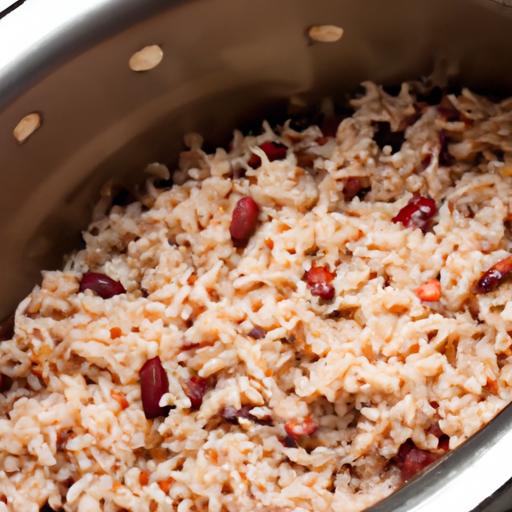

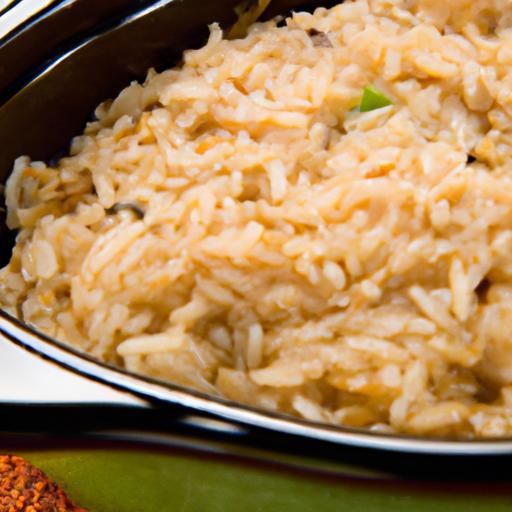
There’s something undeniably comforting about a bowl of perfectly cooked brown rice – each grain tender yet distinct, nutty flavor unfolding with every bite. Yet, achieving that ideal texture can often feel like a culinary puzzle, leaving many to accept soggy or undercooked results as the norm. Enter the humble rice cooker: a modern marvel that, when mastered, transforms this whole grain staple into a consistently flawless side or base for countless meals.In this article, we’ll unlock the secrets to mastering your rice cooker and delivering perfect brown rice every time, turning a simple kitchen routine into a rewarding ritual. Whether you’re a busy professional, health enthusiast, or home cook eager to elevate your meals, get ready to embrace foolproof brown rice with confidence and ease.
Choosing the Ideal Brown Rice for Consistent Results
Perfect brown rice every time starts with selecting the right grain-this single choice transforms your cooking experience. When shopping, opt for high-quality, long-grain brown rice varieties such as Basmati or Texmati, which tend to cook evenly and yield a beautifully fluffy texture. Medium or short-grain brown rice often produces a stickier outcome, so knowing your preference is key to predictable results. Freshness is another secret ingredient; always check the packaging date and choose rice packaged in airtight bags for optimal flavor and nutrient retention.
Rinsing and Soaking Techniques to Elevate Texture
Rinsing your brown rice thoroughly under cold running water removes surface starch and any lingering impurities, preventing gummy rice that clumps together. Place your measured rice in a fine mesh sieve,and rinse until the water runs clear-usually about 3-4 rinses. For an elevated texture that is tender but retains a slight bite, soak the rinsed rice for 30 to 45 minutes. This hydrates the grains, shortens cooking time, and enhances fluffiness by allowing water to penetrate evenly. Remember to drain well before adding it to your rice cooker.
Optimal Water Ratios and Cooking Settings Explained
Getting perfect brown rice every time depends heavily on balanced hydration matched with your rice cooker’s settings. The general rule of thumb is a 1:1.5 rice-to-water ratio for long-grain brown rice-1 cup of rice to 1½ cups of water. However, this may slightly vary depending on your cooker’s brand and model. Many modern rice cookers have a dedicated “brown rice” setting, which adjusts cooking time and temperature to maximize grain tenderness without drying out the rice. If your model lacks this option, use the “manual” or “slow cook” mode and expect around 50-60 minutes for completion. Avoid lifting the lid during cooking to keep steam trapped for even heat distribution.
Post-Cooking Tips to Keep Your Brown Rice Fluffy and Fresh
Once your rice cooker signals it’s done, let the brown rice rest for 10 minutes with the lid closed.This crucial step allows excess moisture to redistribute and enhances the fluffy texture you desire. Fluff the rice gently with a fork or rice paddle,breaking apart any clumps without smashing the grains. To maintain freshness if not serving immediately, keep your rice in the pot on “warm” for short periods or transfer to an airtight container and refrigerate for up to 3 days. Reheat by sprinkling a few drops of water over the rice and microwaving covered for moist, revitalized grains.
Prep and Cook Time
- Readiness: 10 minutes (includes rinsing and soaking)
- Cooking: 50-60 minutes (rice cooker dependent)
Yield
Approximately 4 servings
Difficulty Level
Easy – beginner-friendly for all home cooks
Ingredients
- 1 cup long-grain brown rice, rinsed and soaked
- 1½ cups water
- ¼ teaspoon sea salt (optional)
Instructions
- Rinse the rice thoroughly under cold water until the water becomes clear, then soak in fresh water for 30-45 minutes. Drain well.
- Add the soaked rice and measured water to your rice cooker pot along with salt, if using.
- Close the lid securely and select the “brown rice” setting or set to manual/slow cook if unavailable.
- Let the rice cook without interference; avoid opening the lid to keep steam trapped inside.
- Once cooking is complete, allow the rice to rest for 10 minutes with the lid closed.
- Fluff gently with a fork or rice paddle to separate grains for a light, airy texture.
- Serve immediately or store as needed (see Chef’s Notes).
Chef’s Notes
- substitutions: For a nuttier twist,try short-grain brown rice,but expect a slightly stickier texture.
- Storage: Store cooked rice in airtight containers for up to 3 days in the refrigerator or freeze in portions for longer preservation.
- Troubleshooting: If rice is too firm, add 2 tablespoons more water and cook again briefly on steam mode.
- Make-ahead Tip: Prepare your soaked rice the night before to save hands-on time during mealtime.
Serving Suggestions
Perfect brown rice every time shines as a base for colorful stir-fries, vibrant veggie bowls, or hearty bean chili. Garnish with freshly chopped herbs like cilantro or parsley, sprinkle toasted sesame seeds, or drizzle with a light tamari soy sauce for an added umami kick. A wedge of lime or a scattering of toasted nuts adds a delightful crunch to your presentation,making every meal a feast for both eyes and palate.
| Nutrient | Per Serving (1 cup cooked) |
|---|---|
| Calories | 215 kcal |
| Protein | 5 g |
| Carbohydrates | 45 g |
| Fat | 1.8 g |
Explore more wholesome whole grain recipes that complement perfectly cooked brown rice. For detailed nutritional and cooking science, check out the USDA official guidelines.

Q&A
Perfect Brown Rice Every Time: Master Your Rice Cooker Meal
Q1: Why does brown rice frequently enough turn out undercooked or mushy in a rice cooker?
A1: brown rice has a tougher bran layer compared to white rice, which means it requires more water and longer cooking time.If the water ratio or cooking cycle isn’t adjusted for brown rice, the grains can stay hard or become mushy. Using the right water-to-rice ratio and allowing the rice cooker to complete its full cycle leads to perfect texture every time.
Q2: What is the ideal water-to-brown rice ratio for most rice cookers?
A2: While ratios can vary by brand, a reliable starting point is about 2 cups of water for every 1 cup of brown rice. Some rice cookers even have a dedicated brown rice setting that adjusts time and temperature automatically. For firmer rice, reduce water slightly; for softer results, increase it a bit.
Q3: Should I rinse brown rice before cooking it in a rice cooker?
A3: Yes! Rinsing brown rice removes excess surface starch and any dust from processing,which helps prevent clumping and improves the final texture. Rinse under cold water until the water runs clear, then drain well before adding to the cooker.
Q4: Can soaking brown rice improve the cooking process?
A4: Absolutely. Soaking brown rice for at least 30 minutes (or even overnight) softens the bran and reduces cooking time. This step can result in fluffier and more evenly cooked grains, especially for those using rice cookers without a specific brown rice function.
Q5: How can I enhance the flavor of brown rice cooked in a rice cooker?
A5: Cooking brown rice in vegetable broth or adding aromatics like bay leaves, minced garlic, chopped onions, or fresh herbs turns plain rice into a flavor-packed side dish. For a subtle nutty flavor, toast the rice gently in a dry pan before adding water and cooking.
Q6: After my rice cooker finishes its cycle, is it best to open it immediately?
A6: Patience pays off here! Letting your brown rice sit with the lid closed for 10-15 minutes post-cooking allows steam to evenly distribute, finishing the cooking process and firming up the grains. Then fluff gently with a fork for a light, airy texture.
Q7: How do I avoid my brown rice sticking to the rice cooker pot?
A7: Non-stick pots help, but even then, lightly coating the pot with a thin layer of oil or spraying it before adding rice can prevent sticking. Also, avoid peeling back the lid during cooking-this interrupts steam and can cause rice to stick or cook unevenly.
Q8: Can I cook other grains alongside brown rice in my rice cooker?
A8: While possible, combining grains like quinoa or barley with brown rice can be tricky since thay have different cooking times and water needs. If you wont to experiment, start with pre-soaking all grains and adjust water based on the grain requiring the longest cooking time to ensure everything cooks evenly.
Mastering brown rice in your rice cooker takes a bit of practice, but with these tips, you’ll enjoy perfectly tender, wholesome grains with every meal. Your rice cooker is not just a gadget-it’s your ticket to hassle-free,nutritious dining!
Closing Remarks
Mastering the art of perfect brown rice every time transforms more than just your meals-it elevates your whole cooking experience. With your rice cooker as a trusty ally,you unlock a world where nutty,fluffy grains become a reliable staple on your plate,ready to complement any dish or shine on their own.So, embrace these tips, experiment with your favorite add-ins, and watch as your simple brown rice evolves into a culinary triumph. Here’s to countless bowls of wholesome goodness, cooked just the way you like-effortlessly perfect, day after day.