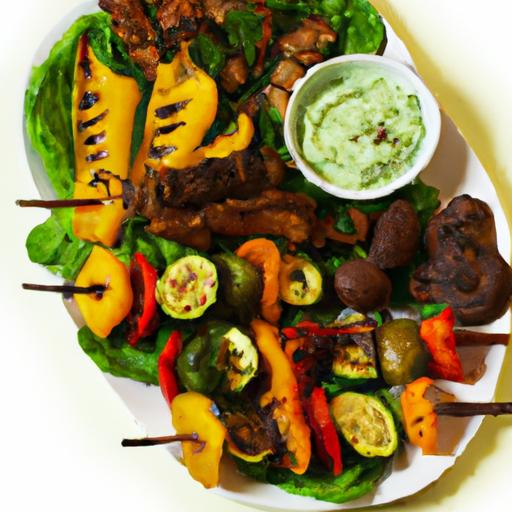

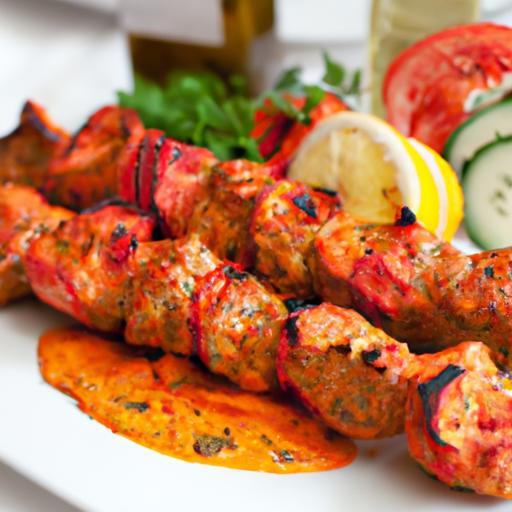
There’s something undeniably captivating about shish kebab-the dance of flames, the sizzle of marinated morsels, and the vibrant medley of spices that infuse each bite with a story. More than just skewered meat on a stick, shish kebab is a culinary tradition that transcends cultures, seasons, and tables around the world. from its ancient origins to the modern-day grills that bring friends and family together, savoring shish kebab is an immersive experience that celebrates the art of balance: between fire and flavor, texture and tenderness, simplicity and sophistication. In this article, we explore the rich history, diverse techniques, and aromatic profiles that make shish kebab a beloved delight-a timeless testament to the pleasures of cooking and sharing food on skewers.
Origins and Cultural Journey of Shish Kebab
Savoring Shish Kebab brings you into the heart of a timeless culinary tradition that spans centuries and continents. This beloved dish, with its tender cubes of marinated meat skewered and grilled over open flames, traces its roots to the nomadic tribes of Central Asia and the Middle East. The word “shish” in Turkish means skewer, and “kebab” refers to grilled meat, perfectly encapsulating the method and spirit of this dish.
The journey of shish kebab illustrates a rich tapestry of cultural exchange. From the hearty eateries of Anatolia to vibrant street stalls in Lebanon and bustling bazaars in Iran, each culture has imbued the kebab with unique regional spices, marinades, and preparation styles. This cross-pollination has made shish kebab a global favorite and a vibrant symbol of communal dining and hospitality.
Prep and Cook Time
- Preparation: 20 minutes
- Marinating: Minimum 4 hours (preferably overnight)
- Cooking: 10-15 minutes
- Total: Approximately 5 hours including marination
Yield
Serves 4 hungry guests with room for seconds!
Difficulty Level
Medium – Ideal for home cooks eager to master marinade blending and grilling techniques that elevate flavor profiles.
Ingredients
- 1.5 lbs boneless lamb leg or shoulder, cut into 1-inch cubes
- 3 tbsp extra virgin olive oil
- 3 cloves garlic, minced
- 1 tbsp smoked paprika
- 2 tsp ground cumin
- 1 tsp ground coriander
- 1/2 tsp cayenne pepper (adjust to taste)
- 1 tbsp fresh lemon juice
- 1 tsp dried oregano
- Salt and freshly ground black pepper, to taste
- 1 red onion, cut into rings for skewering
- 1 red bell pepper, cut into 1-inch pieces
- Metal or soaked wooden skewers
Instructions
- Prepare the marinade: In a large bowl, whisk together olive oil, minced garlic, smoked paprika, cumin, coriander, cayenne, lemon juice, oregano, salt, and pepper until well combined.
- Marinate the meat: add the cubed lamb and toss until each piece is evenly coated. Cover and refrigerate for at least 4 hours, ideally overnight, allowing flavors to deeply penetrate the meat.
- Preheat the grill: Whether using a charcoal grill, gas grill, or broiler, preheat to medium-high. Oil the grates lightly to prevent sticking.
- Skewer the kebabs: Thread the marinated lamb cubes alternately with slices of red onion and bell pepper. Leave a little space between pieces for even cooking and airflow.
- Grill the kebabs: Place skewers on the grill and cook for 5-7 minutes per side, turning carefully. watch for a nice char, ensuring the lamb is cooked to your desired doneness but still juicy and tender.
- rest and serve: Remove kebabs from heat, cover loosely with foil, and let rest for 5 minutes to redistribute juices.
- Garnish: Sprinkle freshly chopped parsley or sumac for a burst of color and tang, and serve with warm flatbreads or rice pilaf.
Tips for Success
- For juicier meat: Choose cuts with good marbling and do not overcook; medium-rare or medium preserves tenderness.
- Marination matters: The longer the meat marinates, the more flavorful it becomes. overnight is best wherever possible.
- Alternate veggies and meat: Adding onion and bell pepper ensures bursts of sweetness and moisture during grilling, balancing the savory depth of lamb.
- Skewer care: If using wooden skewers, soak them in water for 30 minutes to prevent burning and make handling safer.
- Make it ahead: Prep marinade and meat a day ahead. On grilling day, skewer and cook fresh for optimal texture.
Serving Suggestions
For a complete savoring experience, serve alongside fragrant saffron rice or herbed bulgur wheat. Complimentary sides like a cooling cucumber and yogurt salad or tangy tabbouleh uplift the grill’s smokiness. Garnish with lemon wedges to add a fresh, zesty burst that brightens every bite.Freshly baked pita or lavash bread is perfect for wrapping the meat and veggies, creating a handheld delight.
In terms of beverages, pair your shish kebab with a crisp, non-alcoholic sparkling pomegranate juice or a refreshing mint lemonade. For those inclined towards wines, a bold, fruity red such as Grenache or a smoky Syrah (without pork pairings) harmonizes beautifully with the spices and char.

| Nutrient | Amount per serving |
|---|---|
| Calories | 380 kcal |
| Protein | 35 g |
| Carbohydrates | 8 g |
| Fat | 22 g |
Explore more about the art of Middle Eastern grilling or deepen your spice knowledge by visiting the Encyclopaedia Britannica on kebabs.
Q&A
Q&A: Savoring Shish Kebab - The Art and Flavor of Skewered Delights
Q1: What exactly is shish kebab, and where does it come from?
A: Shish kebab is a customary dish consisting of small pieces of marinated meat threaded onto skewers and grilled over an open flame. originating from the Middle East and anatolian regions, its roots stretch back centuries, celebrated for its vibrant blend of spices and communal cooking style. The word “shish” means skewer, and “kebab” refers to grilled meat-together, a perfect marriage of flame and flavor.
Q2: What kinds of meats are typically used in shish kebabs?
A: While lamb is the classic choice due to its rich flavor and tenderness, chicken, beef, and even seafood like shrimp or fish are popular alternatives. The key is to select cuts that remain juicy and tender after grilling, such as sirloin, tenderloin, or boneless chicken thighs.
Q3: How important is marination in making shish kebabs?
A: Marination is essential-it transforms ordinary meat into an aromatic, tender feast. A good marinade balances acidity (like lemon juice or yogurt), spices (such as cumin, paprika, sumac, or coriander), and a dash of olive oil to promote juiciness and help the spices cling. This not only imparts flavor but also helps break down muscle fibers for a melt-in-your-mouth texture.Q4: Are there vegetarian or vegan shish kebab options?
A: Absolutely! Grilled vegetables-such as bell peppers, zucchini, mushrooms, cherry tomatoes, and eggplant-make fantastic plant-based kebabs. Marinate them in a blend of olive oil, garlic, herbs, and spices, than skewer and char until tender and slightly smoky. You can also find creative twists with tofu or tempeh for added protein and heartiness.
Q5: What are some classic spice combinations for shish kebabs?
A: Traditional spice blends vary by region but commonly include smoky paprika, warm cumin, earthy coriander, and zesty sumac. Garlic and fresh herbs like parsley or mint often join the mix,enhancing freshness and depth. For a touch of heat, crushed red pepper or Aleppo pepper are excellent choices.
Q6: How do you achieve the perfect grilling technique for shish kebabs?
A: The key is high, direct heat for quick cooking and caramelization while keeping the inside juicy. Preheat your grill until it’s hot,oil the grates to prevent sticking,and turn the skewers every few minutes. Avoid overcrowding pieces on the skewer to ensure even heat exposure. timing is crucial-overcooked kebabs become dry, so aim for medium-rare to medium doneness depending on the meat.
Q7: What sides and accompaniments traditionally pair well with shish kebabs?
A: Shish kebabs are often served alongside fluffy pilaf or rice, grilled flatbreads, and fresh, herbaceous salads like tabbouleh or fattoush. Yogurt-based sauces such as tzatziki or cacık add a cool contrast to the smoky meat, while pickled vegetables bring luminous acidity to balance flavors.
Q8: Can you share a tip for making shish kebabs at home without fancy equipment?
A: No fancy grill? No problem! A sturdy cast-iron pan or broiler can mimic the high heat grilling effect. Just make sure to preheat well and turn the skewers or pieces regularly. Soaking wooden skewers in water beforehand prevents them from burning, and metal skewers conduct heat, helping cook the interior evenly.
Q9: How has shish kebab evolved in modern cuisine?
A: Today,chefs around the world experiment with shish kebabs by swapping traditional meats for global flavors-think Moroccan-spiced chicken,Indian tandoori beef,or Mediterranean herb-marinated fish. Beyond meat, inventive plant-based proteins and global spice fusions have elevated this humble dish from street food staple to gourmet delight.
Q10: Why does shish kebab remain a beloved dish across cultures?
A: Shish kebab embodies more than just great taste-it’s a celebration of communal cooking,shared tables,and vibrant flavors. its simplicity invites creativity, while its deep-rooted traditions remind us of history and hospitality. Whether grilled in a backyard or savored in a bustling bazaar, shish kebab continues to bring people together over the worldwide joy of fire-kissed food.
To Conclude
As the last embers of the grill fade and the final juicy morsels of shish kebab are savored,we’re reminded that this age-old culinary tradition is more than just a meal-it’s an art form. From marinating mastery to the perfect char, each skewer tells a story of culture, craft, and connection. Whether enjoyed on a sunlit terrace or around a bustling street corner, shish kebab invites us to slow down, appreciate the harmony of spices and smoke, and celebrate the timeless joy of food shared. So next time you thread meat and vegetables onto a skewer, remember: you’re not just cooking-you’re partaking in a flavorful legacy that has delighted palates across the world for centuries.