
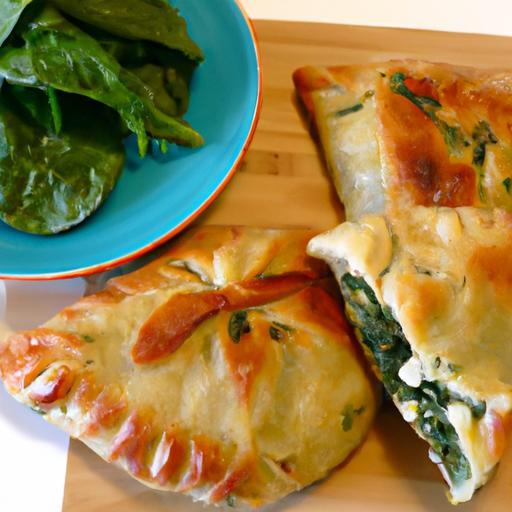
Nestled within the vibrant tapestry of Middle Eastern cuisine lies a charming pastry that captivates both the eye and the palate: the spinach and feta fatayer. These delicate, hand-shaped pockets of flaky dough are brimming with a luscious blend of tender spinach and tangy feta cheese, creating a harmonious dance of flavors that evoke tradition and comfort in every bite. More than just a savory snack, the fatayer carries centuries of cultural heritage, weaving stories of family gatherings, bustling markets, and festive celebrations. In this article, we’ll explore the origins, ingredients, and simple artistry behind spinach and feta fatayer-a savory delight that invites you to experience the heart of Middle Eastern hospitality one tasty pastry at a time.
Spinach and Feta Fatayer embodies a timeless Middle Eastern treasure that’s both comforting and delightfully savory. Originating centuries ago in Levantine kitchens, this savory pastry pairs crisp, flaky dough with a lush filling of vibrant spinach and tangy feta cheese. Its a bite-sized homage to tradition and family tables,with every layered fold telling stories of shared meals and festive gatherings.Whether enjoyed as a snack, appetizer, or part of a mezze spread, mastering Spinach and Feta Fatayer unlocks a rich world of authentic flavor and culinary heritage.
Prep and Cook Time
- preparation: 25 minutes
- Cooking: 20 minutes
- Total Time: 45 minutes
Yield
Approximately 16 fatayer (servings)
Difficulty Level
Medium – perfect for home cooks ready to explore Middle Eastern flavors with rewarding hands-on dough work.
Ingredients
- For the Dough:
- 3 cups all-purpose flour, sifted
- 1 cup warm water (about 110°F)
- 2 teaspoons active dry yeast
- 1 teaspoon sugar
- 1 teaspoon salt
- 3 tablespoons olive oil
- 1/4 cup plain yogurt (whole milk preferred)
- For the Filling:
- 1 lb fresh spinach, washed, dried, and chopped
- 1 cup feta cheese, crumbled
- 1 small onion, finely chopped
- 2 cloves garlic, minced
- 2 tablespoons olive oil
- 1 teaspoon sumac (optional, for a lemony tartness)
- Salt and freshly ground black pepper to taste
- 1 tablespoon fresh pine nuts (optional, toasted)
- For Brushing:
- 1 egg yolk mixed with 1 tablespoon water (for golden crust)
Instructions
- Activate the yeast: In a small bowl, combine warm water, sugar, and yeast. Stir gently and let it sit for 5-7 minutes until frothy.
- Prepare the dough: In a large mixing bowl, whisk together flour and salt. make a well in the center, then add olive oil, yogurt, and the yeast mixture. Mix until a rough dough forms.
- Knead: Turn the dough onto a lightly floured surface. Knead for 8-10 minutes until smooth, elastic, and slightly tacky. Add flour sparingly if sticky, but keep the dough soft.
- First rise: Place dough in an oiled bowl, cover with a clean kitchen towel, and let it rise in a warm area for about 1 hour, or until doubled in size.
- prepare the filling: While the dough rises, heat 2 tablespoons olive oil in a skillet over medium heat. Sauté onion until soft and translucent, about 5 minutes. Add garlic and cook 1 minute more.
- Add spinach: Gradually add chopped spinach to skillet, stirring until wilted and most liquid evaporates, roughly 7-8 minutes. Remove from heat and let cool slightly.
- mix filling: Transfer spinach mixture to a bowl. Stir in crumbled feta,sumac (if using),toasted pine nuts,salt,and pepper. Adjust seasoning as needed.
- Shape the fatayer: Punch down risen dough and divide into 16 equal pieces. Roll each piece into a 4-inch circle on a floured surface.
- Fill and fold: Place 2 tablespoons of filling in the center of each circle. Fold dough edges to form a triangular shape, pinching corners firmly to seal without gaps.
- Second rise: Arrange fatayer on a parchment-lined baking sheet. Cover lightly and let rise 20 minutes for a tender crust.
- Brush and bake: Preheat oven to 375°F (190°C). Brush fatayer with egg wash for a golden finish. Bake for 18-20 minutes until crust is flaky and golden brown.
- Cool and serve: Remove from oven and rest for 5 minutes before serving hot or at room temperature.
Tips for Success
- for an effortlessly supple dough, use warm (not hot) water when activating yeast.
- If fresh spinach is unavailable, tightly squeeze excess moisture from thawed frozen spinach before mixing with feta.
- Sumac adds authentic tartness; however, lemon zest can substitute if you want a fresh twist.
- Avoid overfilling the fatayer to ensure perfect sealing and even baking.
- Make-ahead option: Prepare fatayer fully and freeze uncooked on baking sheets. once frozen, transfer to ziplock bags. Bake frozen fatayer with an extra 5 minutes in the oven.
Serving Suggestions
Serve your golden spinach and Feta fatayer warm alongside a bowl of creamy hummus and a fresh cucumber-tomato salad for a vibrant mezze platter. Garnish with sprigs of fresh mint or parsley and a drizzle of good-quality olive oil. Pair with nutrient-packed spinach benefits to celebrate both taste and health in every bite.
| Nutrient | Per Fatayer (approx.) |
|---|---|
| calories | 160 |
| Protein | 6 g |
| Carbohydrates | 18 g |
| Fat | 7 g |

Q&A
Q&A: Discovering Spinach and Feta Fatayer - A Savory Middle Eastern Delight
Q1: What exactly is a spinach and feta fatayer?
A1: Spinach and feta fatayer is a traditional Middle Eastern savory pastry that features a flaky, soft dough wrapped around a vibrant filling of fresh spinach and tangy feta cheese. Often shaped into triangles or boats, these bite-sized treats are beloved for their rich flavors and satisfying texture.Q2: Where does fatayer originate from?
A2: Fatayer hails from the Levant region, which includes countries like Lebanon, Syria, Jordan, and Palestine. It’s a staple of Middle Eastern cuisine and is enjoyed across the region with countless variations in fillings and shapes.
Q3: What makes the spinach and feta combination so popular in fatayer?
A3: The earthy freshness of spinach pairs beautifully with the salty creaminess of feta, creating a harmonious balance that’s both hearty and light. This combination not only provides vibrant flavors but also adds nutritional value, making it a wholesome snack or meal component.Q4: How is the fatayer dough different from other pastries?
A4: Fatayer dough is typically soft and pliable, made with simple ingredients like flour, yeast, water, olive oil, and a pinch of sugar and salt. The dough’s elasticity allows it to be shaped easily without tearing and yields a tender crust that crisps lightly during baking.
Q5: Are spinach and feta fatayer served hot or cold?
A5: They can be enjoyed both ways. Freshly baked spinach and feta fatayer are best served warm,when the cheese is slightly melted and the dough is soft.However, they also taste excellent at room temperature, making them perfect for picnics or packed lunches.
Q6: Can the spinach filling be customized?
A6: Absolutely! While spinach and feta is a classic pairing, you can enhance the filling with ingredients like finely chopped onions, garlic, pine nuts, sumac, or even a squeeze of lemon juice for extra zest. Herbs like mint or parsley often add a refreshing note.
Q7: Is spinach and feta fatayer suitable for vegetarians?
A7: Yes, these pastries are naturally vegetarian, as they rely on plant-based ingredients and cheese without any meat. This makes them a delicious, accessible option for those following vegetarian diets.
Q8: How are fatayer traditionally served in middle eastern cuisine?
A8: Fatayer is commonly enjoyed as part of a mezze spread-an assortment of small dishes meant for sharing. They can also be served as appetizers, snacks, or even light meals accompanied by salads, yogurt dips, or pickled vegetables.
Q9: What tips can help make perfect spinach and feta fatayer at home?
A9: Use fresh spinach and thoroughly drain it to avoid soggy dough. Don’t overfill the pastries to prevent breaking during baking. allow the dough to rest and rise well for a soft texture. Baking at the right temperature ensures a beautifully golden crust without drying out the filling.Q10: Can fatayer be frozen for later enjoyment?
A10: Definitely. spinach and feta fatayer freeze well either raw or baked. If freezing raw, shape and fill them, then freeze on a tray before transferring to a bag. Bake straight from frozen, adding a few extra minutes, for a convenient homemade treat anytime.
Concluding remarks
Whether you’re a seasoned foodie or a curious culinary explorer, spinach and feta fatayer offer a delightful journey into the heart of Middle Eastern cuisine. These golden, flaky pastries marry the tangy creaminess of feta with the vibrant earthiness of spinach, creating a harmonious bite that’s both comforting and exotic. Perfect as a snack, appetizer, or part of a mezze spread, fatayer celebrate the rich tradition of hand-crafted flavors passed down through generations. So next time you’re seeking a savory escape, let spinach and feta fatayer transport your taste buds to sun-drenched kitchens where every fold tells a story of heritage and hospitality.