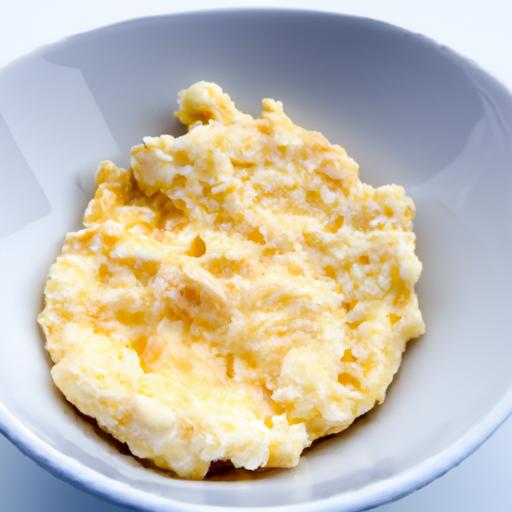

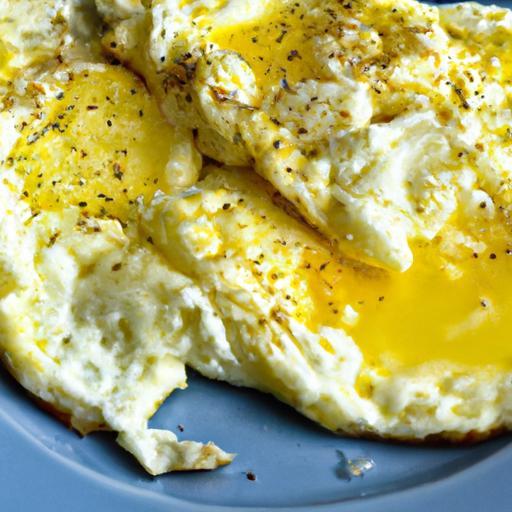
There’s a certain kind of magic in a plate of perfectly fluffy scrambled eggs-the kind that makes breakfast feel like a small party. But achieving that light, airy texture is no mere accident; it’s a delicate dance between culinary art and precise science. Behind those soft curds lies a engaging interplay of temperature, timing, and technique, all working together to transform simple eggs into a cloud-like masterpiece.In this article, we’ll crack open the secrets of what makes scrambled eggs truly sublime, blending the wisdom of chefs with the chemistry of cooking to help you master the ultimate morning indulgence.
Scrambled eggs owe much of their irresistible appeal to the delicate dance of heat, technique, and ingredient harmony that create their signature fluffiness and creaminess. Mastering the interplay of these elements transforms a simple breakfast staple into a culinary delight – soft, airy, and bursting with flavor. At the heart of this transformation lies an understanding of heat control, the science of egg protein coagulation, precise whisking methods, and the thoughtful selection of dairy and seasonings. This exploration invites you to elevate your scrambled eggs beyond ordinary to spectacularly soft and fluffy.
Prep and Cook Time
- Preparation: 5 minutes
- Cooking: 7 minutes
- Total Time: 12 minutes
Yield
- Serves 2 generously
Difficulty Level
- easy to Medium - perfect for home cooks eager to refine a classic technique
Ingredients
- 4 large eggs, preferably at room temperature
- 3 tbsp whole milk or heavy cream, for extra creaminess
- 1 tbsp unsalted butter, cut into small pieces
- salt, to taste (about ½ tsp)
- Fresh cracked black pepper, to taste
- Optional garnishes: finely chopped chives, grated sharp cheddar, or a sprinkle of smoked paprika
Instructions
- Whisk the eggs and dairy. In a medium bowl, vigorously whisk the eggs with the whole milk until the mixture is pale yellow and slightly frothy. This incorporates air that will boost the fluffiness of your scrambled eggs.
- Preheat your pan over low heat. Choose a non-stick skillet and melt the butter slowly to prevent browning. Low heat is key to gently coagulate proteins without toughening them, ensuring a soft, creamy texture.
- Pour in the egg mixture. Once the butter has melted and started to foam, pour in the eggs. let the edges set for a few seconds but do not fully cook.
- Start gentle stirring with a silicone spatula. Push the eggs from the edges toward the center in slow, intentional folds. This technique prevents overcooking and helps retain moisture-crafting soft curds.
- Control the temperature carefully. Adjust the stove between low and medium-low as needed; the eggs should never sizzle or brown. Continuously moving the eggs ensures even coagulation of proteins and a velvety finish.
- Season toward the end. Salt and pepper added too early can draw out moisture and cause watery eggs. Season when eggs are just shy of set, then fold in any optional garnishes gently.
- Remove from heat promptly. The residual warmth will finish cooking your eggs to perfection. Overcooking leads to dryness and loss of that coveted fluffiness.
Tips for Success
- Why room temperature eggs matter: Cold eggs slow cooking and create uneven curds, so let eggs sit out for 10 minutes before whisking.
- Whisking technique: Use a balloon whisk for maximum air incorporation; this adds volume and lightness.
- Heat control: Patience with low heat prevents rubbery eggs by allowing gentle protein coagulation. Avoid high heat at all costs.
- Dairy choice: Whole milk provides mild creaminess; for ultra-rich eggs, swap for heavy cream or crème fraîche.
- seasoning timing: Salt after cooking most of the way through to keep the eggs tender.
- Make-ahead tip: Whisk your eggs and dairy in a container and store in the fridge for up to 24 hours; whisk again just before cooking to re-incorporate air.
Serving Suggestions
Serve your fluffy scrambled eggs immediately while warm and tender, paired with crispy toasted sourdough or an herbed English muffin. For vibrant color contrast and bursts of freshness, garnish with finely chopped chives or a light dusting of smoked paprika. Complement with a bowl of ripe avocado slices or a fresh tomato salad tossed in lemon vinaigrette. A side of sautéed mushrooms or wilted spinach adds earthy undertones, making the dish a nourishing and elegant breakfast or brunch centerpiece.

| Nutrition | Per Serving |
|---|---|
| calories | 280 kcal |
| Protein | 18 g |
| Carbohydrates | 2 g |
| Fat | 22 g |
The Science Behind Perfectly Fluffy Scrambled Eggs
The transformation of the humble egg into softly scrambled brilliance hinges on controlling the protein coagulation that occurs with heat. Egg whites primarily contain albumin, which begins to firm up around 140°F (60°C), while yolks coagulate slightly later at a higher temperature. Using gentle heat allows the proteins to set slowly and form small, tender curds rather than tough clumps.
Meanwhile, whisking plays a crucial role in incorporating air bubbles that lift the eggs, boosting volume and fluffiness. The mechanical action of a vigorous whisk denatures proteins, creating a foam that traps air, similar to meringue structure on a smaller scale. This introduced air expands during cooking,giving your scrambled eggs their light,billowy texture.
choosing the right dairy partner, like whole milk or cream, enriches the eggs and slows down the coagulation process by adding fat and moisture. This softens the protein network and imparts a luscious mouthfeel. Lastly, seasoning with salt at the right moment prevents premature moisture loss, maintaining tenderness and flavor balance.
For a comprehensive understanding about egg chemistry, visit Exploratorium’s Egg Science Kitchen, a fantastic scientific resource.
To deepen your culinary repertoire, don’t miss our related recipe on How to Make Creamy Omelets, perfect for leveraging similar techniques with a different presentation.
Q&A
Q&A: The art and Science Behind Perfectly Fluffy Scrambled Eggs
Q1: What makes scrambled eggs fluffy rather than rubbery or dense?
A: The secret to fluffy scrambled eggs lies in the air incorporated into the mixture before cooking and the gentle, even heat during cooking. Whisking the eggs thoroughly introduces tiny air bubbles, which expand when heated, giving the eggs a light, tender texture. avoiding high heat prevents the proteins from tightening too quickly, which causes rubberiness.
Q2: How does the ratio of eggs to liquid affect texture?
A: Adding a small amount of liquid-like milk, cream, or even water-can make scrambled eggs softer and creamier by thinning the egg proteins and creating steam during cooking. However, too much liquid can make the eggs watery and less structured. Generally, a tablespoon of liquid per two eggs strikes a good balance for fluffiness.
Q3: Is it better to use whole eggs or just egg whites for fluffiness?
A: Whole eggs provide the richest flavor and a creamy texture due to the fat in the yolks, which contributes to that luxurious mouthfeel. Egg whites can add volume and lightness when whipped but tend to be drier if used alone. For perfectly fluffy scrambled eggs, stick with whole eggs or a combination of whites and yolks.
Q4: Why is low and slow heat recommended for scrambled eggs?
A: Cooking eggs over low heat allows proteins to coagulate gently, forming soft curds rather than tough, rubbery clumps. slow cooking also gives you more control over texture,helping to achieve custardy and tender curds that melt in your mouth.
Q5: What role does stirring play during the cooking process?
A: Stirring frequently but gently breaks up large curds and promotes even cooking, while also redistributing heat through the eggs. this method ensures a uniform texture and prevents any parts from overcooking, resulting in a beautifully creamy and fluffy scramble.
Q6: Are there any special tools that can improve scrambled eggs?
A: A whisk is essential in the mixing stage to aerate the eggs thoroughly. During cooking, a silicone spatula works best-it’s gentle on the pan and flexible enough to scrape all the egg bits without tearing the curds, helping maintain a delicate texture.
Q7: Can salt affect the texture of scrambled eggs?
A: Yes! Adding salt too early can break down the egg proteins, leading to a softer, more tender scramble. Some chefs prefer to salt the eggs before whisking to encourage this effect. However, wait to season if you want more defined curds and a firmer texture.
Q8: How does temperature influence the chemical reactions in cooking eggs?
A: Eggs begin to coagulate at around 140°F (60°C), and by 160°F (71°C) proteins fully set. Cooking slowly below or around this range allows proteins to form a delicate network without squeezing out moisture, keeping eggs soft. Cooking too hot too fast causes proteins to contract sharply, releasing water and resulting in dryness.
Q9: What are some creative ways to enhance fluffy scrambled eggs without compromising texture?
A: Adding finely chopped herbs like chives or dill, soft cheeses such as goat cheese or cream cheese, and a dash of cream or crème fraîche can enrich flavor and creaminess. Fold these in gently at the end of cooking to keep the eggs light and fluffy.
Q10: How can one recover scrambled eggs if they turn out too dry or overcooked?
A: If eggs are slightly overcooked, stirring in a small spoonful of butter or a splash of cream after removing from heat can help rehydrate and soften them. However, prevention is key-cook low and slow, remove eggs from heat just before they’re fully set, as residual warmth will finish the cooking gently.
To Conclude
Mastering the art and science behind perfectly fluffy scrambled eggs is more than just a breakfast triumph-it’s a delicious dance between technique and chemistry. from the gentle whisking that introduces air, to the low-heat cooking that preserves delicate curds, every step plays a vital role in crafting that melt-in-your-mouth texture. So next time you crack open a carton, remember: behind those simple eggs lies a world of culinary wonder waiting to be explored. Embrace the process, experiment with your own variations, and savor the fluffy rewards of a truly perfected scramble.