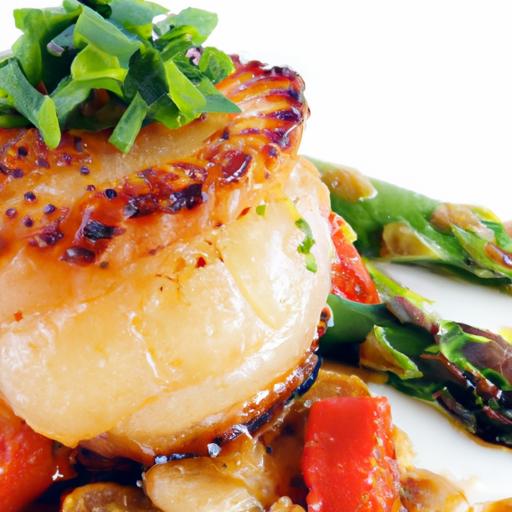

Ther’s a magical moment in cooking when a simple ingredient transforms into something extraordinary-when the sizzle meets the pan and flavors awaken with a golden crust. Mastering the art of perfectly seared scallops is one such culinary triumph. These delicate pearls of the sea, with their subtly sweet flavor and tender texture, deserve nothing less than flawless execution.But achieving that ideal caramelized crust while keeping the inside tender can seem elusive. In this article, we’ll dive deep into the secrets, techniques, and tips that will have you confidently creating restaurant-quality scallops at home-every single time. prepare to elevate your seafood game and savor the sublime harmony of texture and taste that only a perfect sear can deliver.
Mastering the Art of Perfectly Seared Scallops Every Time
Mastering the art of perfectly seared scallops every time is a culinary adventure worth embarking on. Nothing quite compares to the moment a scallop hits a hot pan and transforms into a golden, caramelized treasure-juicy on the inside and laced with a delicate ocean sweetness. Whether inspired by coastal bistros or treasured family dinners, seared scallops evoke elegance and simplicity in a single bite.
Prep and Cook Time
- Readiness: 10 minutes
- Cooking: 8 minutes
- Total Time: 18 minutes
Yield
Serves 4 (approximately 3-4 scallops per person)
Difficulty Level
Medium – Requires attention to detail and perfect timing for the ideal sear
Ingredients
- 16 large sea scallops, fresh and dry-packed, patted dry
- 2 tablespoons high-smoke-point oil (such as grapeseed or avocado oil)
- 1 tablespoon unsalted butter
- 1 teaspoon flaky sea salt
- Freshly ground black pepper, to taste
- 2 garlic cloves, smashed (optional)
- 1 sprig fresh thyme or rosemary (optional)
- 1 lemon, cut into wedges for serving
- Fresh parsley, finely chopped for garnish
Instructions
- Selecting the scallops: Begin by choosing dry-packed sea scallops with a creamy white color and firm texture. Avoid wet scallops, which have been soaked in preservatives and release excess water, making searing tricky.
- Preparing scallops: Using paper towels, gently but thoroughly pat each scallop dry-this step is essential to achieve a flawless caramelized crust. Remove the side muscle if present, for a tender bite throughout.
- Heat and pan prep: Heat a heavy-bottomed stainless steel or cast iron skillet over medium-high heat until shimmering hot. Add the oil and allow it to heat until it just begins to smoke, indicating the perfect temperature for searing.
- seasoning: Lightly season the scallops with sea salt and freshly cracked black pepper on both sides.
- Searing: Place scallops in the pan spaced apart to avoid steaming, and resist the urge to move them. Sear undisturbed for 1.5-2 minutes until the undersides turn a deep golden brown.
- Turning: Flip each scallop carefully using tongs. Add the butter, smashed garlic, and herb sprig to the pan. As the butter melts, tilt the pan slightly and spoon the foamy butter over the scallops to baste them. Continue cooking for another 1.5 minutes or until scallops are opaque but still tender inside.
- Resting: Remove scallops from the pan and place on warm plates. Let them rest briefly to redistribute juices.
- Garnishing: Squeeze fresh lemon juice over the scallops and sprinkle finely chopped parsley for a vibrant, fresh finish.
Tips for Success
- Dry scallops only: The key to mastering the art of perfectly seared scallops every time lies in using dry-packed scallops to achieve that coveted crust.
- Pan temperature control: If the pan isn’t hot enough, scallops will steam and remain pale; too hot and the butter will burn-adjust heat accordingly.
- Don’t overcrowd: Giving each scallop space ensures even browning; work in batches if necessary.
- Make-ahead tip: Scallops are best cooked fresh; if prepping in advance, pat dry and refrigerate uncovered once seasoned, but sear just before serving.
- Variations: try finishing with a drizzle of browned butter sauce or a fresh herb salsa verde for a twist without overpowering their subtle sweetness.
Serving Suggestions
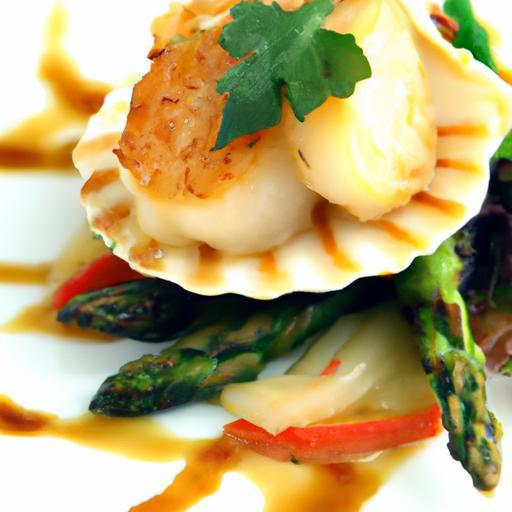
Present your seared scallops on a bed of creamy cauliflower purée, sautéed baby spinach, or alongside a light citrus-infused quinoa salad. Garnish thoughtfully with microgreens or edible flowers for eye-catching plates. A simple drizzle of herb oil or a few fresh lemon wedges elevates the dining experience, marrying luminous acidity with the warm caramel notes. Pair with crusty artisanal bread or vibrant roasted vegetables to round out the meal elegantly.

| nutrition (per serving) | Amount |
|---|---|
| Calories | 180 |
| Protein | 25g |
| Carbohydrates | 2g |
| Fat | 6g |
For those aspiring to refine their techniques further, explore our detailed guide on Creamy Parmesan Risotto-a perfect side to pair with these buttery scallops. Also, for an authoritative resource on seafood freshness and selection, visit FDA Seafood Freshness Guidelines.
Q&A
Q&A: Mastering the Art of Perfectly Seared Scallops Every Time
Q1: What’s the secret to getting that lovely golden crust on scallops?
A1: The key lies in a blazing hot pan and a generous but controlled amount of fat.Use a heavy skillet, like cast iron or stainless steel, preheat it until it’s almost smoking, then add a splash of high-smoke-point oil such as grapeseed or avocado oil. This intense heat instantly caramelizes the natural sugars on the scallop’s surface, creating that irresistible golden crust without overcooking the inside.
Q2: Should I remove the scallop’s side muscle before cooking?
A2: Absolutely! That small, tough rectangular “muscle” on the side can be chewy and unpleasant. simply peel it off with your fingers before cooking to ensure every bite is tender and uniformly succulent.
Q3: How do I know when the scallops are ready to flip?
A3: Patience is your best friend here. Resist the urge to move them too soon. When the underside develops a deep, golden-brown crust that naturally releases from the pan, it’s time. This usually takes about 2 minutes – less if the scallops are smaller, more if they’re jumbo-sized.
Q4: Should I season scallops before or after searing?
A4: Season just before searing. A light sprinkle of salt and pepper right before hitting the pan helps to draw out moisture and enhances the natural sweetness, but avoid over-seasoning or salting too far in advance as it can draw out too much moisture, preventing a perfect crust.
Q5: Can I overcrowd the pan when searing scallops?
A5: Resist the urge! Overcrowding releases steam, which prevents proper searing. Leave plenty of space between each scallop – they should sizzle and brown, not steam. If needed, cook in batches for that ideal caramelized finish.
Q6: what texture should perfectly seared scallops have inside?
A6: They should be tender and slightly translucent at the center,with a buttery,melt-in-your-mouth quality. Overcooked scallops turn rubbery and tough, so aim for a quick but intense sear-usually 1.5 to 2 minutes per side, depending on size.
Q7: Is butter a good option for searing scallops?
A7: butter adds wonderful flavor but burns quickly at high heat. A smart approach is to sear in oil first, then add a knob of butter near the end of cooking for richness and aromatic basting, taking care to keep the heat moderate to avoid scorching the butter.
Q8: What’s a simple way to elevate seared scallops without overpowering their delicate flavor?
A8: Freshly chopped herbs like chives, parsley, or basil sprinkled at the end add brightness. A squeeze of fresh citrus-lemon or lime-lifts the flavor without overwhelming it. Light sauces featuring delicate ingredients like browned butter with garlic or a splash of citrus vinaigrette keep the spotlight on the scallops themselves.
Q9: Can frozen scallops be used for searing?
A9: Yes, but thaw them completely and pat them dry before cooking. Excess moisture is the enemy of a good sear, causing scallops to steam rather than caramelize. use cold water thawing and dry thoroughly with paper towels for best results.
Q10: How do I prevent scallops from sticking to the pan?
A10: Ensure your pan and oil are sufficiently hot before introducing the scallops. Also, don’t move them around during the initial searing stage-give time for that crust to form and naturally release. If sticking persists, the pan may not be hot enough or the scallops may be too wet.
Mastering perfectly seared scallops is a dance between heat control, timing, and respect for the delicate texture underneath that crisp exterior. With these tips, your scallops will steal the show every time!
In Conclusion
In the delicate dance of heat and timing, perfectly seared scallops emerge as a testament to culinary finesse-a harmonious blend of crispy golden crust and tender, buttery interior. With each practiced step, from selecting fresh scallops to mastering the skillet’s sizzle, you’ve unlocked the secrets that transform a simple shellfish into a gourmet masterpiece. So next time you hear the whisper of the pan heating up, remember: perfection isn’t just a goal-it’s a journey, one sear at a time. Embrace the art, trust your instincts, and savor the savory rewards that come with every flawless scallop you serve.