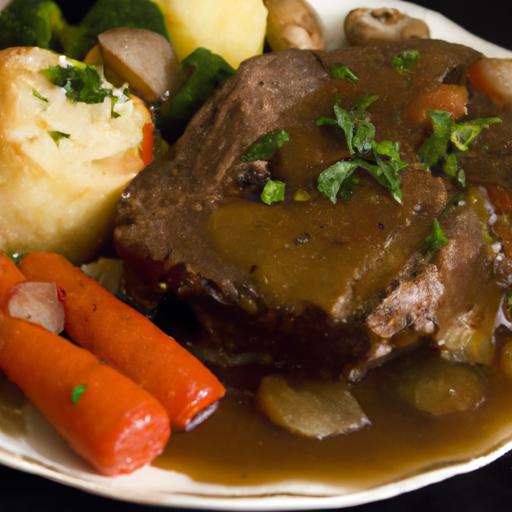

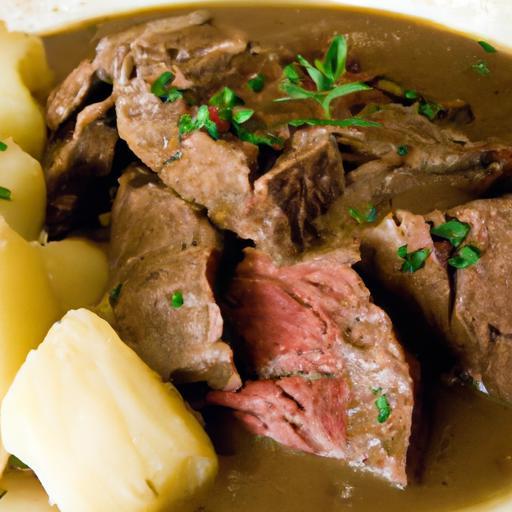
There’s a reason why beef pot roast has remained a beloved classic across generations: it’s the epitome of comfort food, marrying tender, slow-cooked meat with richly flavored, savory gravy. This timeless dish invites both nostalgia and creativity, filling kitchens with the warm aromas of herbs, caramelized onions, and juicy vegetables. Whether passed down through family recipes or discovered anew, a perfectly crafted beef pot roast promises not only hearty satisfaction but also a culinary tradition that brings people together around the table. In this article, we’ll explore how to create a succulent pot roast from scratch, complete with a homemade gravy that elevates every bite-turning an everyday meal into an unforgettable experience.
Timeless Beef Pot Roast with Savory Homemade Gravy
Timeless Beef Pot Roast with Savory Homemade Gravy awakens memories of hearty family dinners and slow-simmered comfort that warms the soul. Rooted in classic home cooking traditions, this dish brings together premium beef cuts, rich aromatics, and a masterful slow-cooking technique to ensure every forkful melts effortlessly with flavor.
Prep and Cook Time
- Readiness: 20 minutes
- Active Cooking: 15 minutes
- Slow Cooking Time: 3 to 4 hours
- total Time: Approximately 4 hours 30 minutes
Yield
Serves 6 hearty portions
Difficulty Level
Medium – ideal for cooks with some experience in slow-cooking but approachable for enthusiastic beginners
Ingredients
- 3 to 4 lbs beef chuck roast, well-marbled
- 2 tbsp olive oil or vegetable oil
- 1 large yellow onion, sliced
- 4 cloves garlic, minced
- 3 medium carrots, peeled and cut into 2-inch chunks
- 3 stalks celery, cut into 2-inch pieces
- 2 cups beef broth, low sodium
- 1 cup water
- 2 tbsp tomato paste
- 1 tsp fresh thyme leaves (or ½ tsp dried thyme)
- 2 bay leaves
- Salt and freshly ground black pepper to taste
- 1/4 cup all-purpose flour, sifted (for gravy)
- 2 tbsp unsalted butter (for gravy)
Instructions
- Selecting the perfect cut: Choose a well-marbled beef chuck roast for a natural balance of tenderness and flavor during slow cooking. this cut breaks down beautifully to produce a fork-tender texture.
- Season the roast generously with salt and freshly ground black pepper on all sides to amplify its rich taste.
- Heat the olive oil in a heavy-bottomed dutch oven over medium-high heat. When shimmering, add the roast and sear on all sides until deep golden brown-approximately 4 minutes per side. This step locks in juices and builds complex flavor.
- Remove the roast and set aside. Add sliced onion to the pot and sauté until soft and translucent, about 5 minutes, stirring occasionally.
- Add minced garlic and cook for another 1 minute until fragrant, careful not to burn.
- Stir in tomato paste and cook for 2 minutes to deepen its aroma and reduce acidity.
- Return the roast to the pot atop the onions, then arrange carrots and celery around it.
- Pour in beef broth and water, just enough to cover about two-thirds of the roast. Add thyme and bay leaves.
- Bring the liquid to a gentle simmer, cover the pot with a tight-fitting lid, and transfer to a preheated oven at 300°F (150°C).
- Slow cook for 3 to 4 hours, checking occasionally to ensure it simmers gently. The meat should fall apart with a fork when done.
- Remove the roast and vegetables to a serving platter and tent with foil to keep warm.
- Preparing the gravy: Pour the pan drippings into a medium saucepan through a fine sieve.Skim off excess fat.
- Melt butter in the saucepan over medium heat. Sprinkle sifted flour and whisk constantly to form a smooth roux, cooking for about 2 to 3 minutes until golden but not burnt.
- Slowly whisk in the strained pan juices, simmer gently until thickened to a luscious gravy consistency, about 5 minutes. Season to taste with salt and pepper.
- Serve the pot roast topped with the savory homemade gravy and your choice of sides.
Tips for Success
- Marbling Matters: The best pot roast results come from beef chuck with visible marbling, which delivers tenderness and flavor after slow cooking.
- Brown Well: Don’t rush the searing process; a deep crust enhances both texture and the depth of the homemade gravy.
- Low and Slow: Maintain the oven temperature around 300°F. Too hot will toughen the meat, too low may extend cooking time unnecessarily.
- Make Ahead: Pot roast often tastes better the next day. Refrigerate leftovers and gently reheat with additional broth to keep it moist.
- Gravy Variation: For an extra layer of flavor, stir in a teaspoon of Dijon mustard or a splash of soy sauce just before serving.
Serving suggestions
Present your roast sliced or pulled apart by fork, nestled atop creamy mashed potatoes or buttered egg noodles. Surround with the tender carrots and celery from the pot for a rustic finish. Garnish with freshly chopped parsley or thyme sprigs to introduce a burst of vibrant green and aroma. Serve warm dinner rolls on the side to soak up the homemade gravy for a soul-satisfying experience.

| Nutrient | Per Serving |
|---|---|
| Calories | 480 kcal |
| Protein | 52 g |
| Carbohydrates | 12 g |
| Fat | 22 g |
Further Reading
Explore more slow-cooking techniques in our comprehensive slow cooking guide. For additional insights on beef cuts and preparation, visit the Beef it’s What’s For dinner site.
Q&A
Q&A: Timeless Beef Pot Roast with Savory Homemade Gravy
Q1: what makes a beef pot roast “timeless”?
A1: A timeless beef pot roast is a classic comfort dish that transcends generations, combining hearty, tender beef with rich, aromatic vegetables and a luscious homemade gravy. Its appeal lies in simplicity, deep flavors developed through slow cooking, and the warm, satisfying experience it delivers at any family table.
Q2: Which cut of beef is best for a pot roast?
A2: The best cuts for pot roast are those with good marbling and connective tissue that break down beautifully during slow cooking,such as chuck roast,brisket,or bottom round. These cuts become tender and flavorful, ensuring a melt-in-your-mouth texture after hours of gentle braising.
Q3: How do I achieve that perfect fork-tender texture?
A3: Low and slow is your mantra. cooking the roast at a low temperature over several hours-whether in the oven, slow cooker, or stovetop-allows the collagen in the meat to melt, resulting in a juicy, tender roast.Resist the urge to rush; patience is key to that melt-away tenderness.
Q4: What vegetables work best alongside a pot roast?
A4: Classic choices include sturdy root vegetables like carrots, potatoes, and onions, which absorb the savory essence of the braising liquid. Celery and parsnips can add depth and sweetness, while mushrooms bring an earthy richness that complements the beef beautifully.
Q5: How do I make a savory homemade gravy from the pot roast drippings?
A5: After removing the roast and vegetables, skim any excess fat from the braising liquid. Then, whisk in a roux made from butter and flour to thicken the sauce, stirring continuously to avoid lumps. Simmer gently until the gravy coats the back of a spoon, adjusting seasoning with salt, pepper, and a touch of herbs like thyme or rosemary.
Q6: Can I prepare this dish ahead of time?
A6: Absolutely! Pot roast often tastes even better the next day as the flavors deepen in the fridge. simply reheat gently, adding a splash of broth or water if the gravy has thickened too much. This makes it a perfect make-ahead meal for busy days or cozy weekend feasts.
Q7: What are some creative twists to personalize a classic pot roast?
A7: While the core ingredients stay true, you can experiment with adding whole cloves of garlic for aromatic punch, a splash of balsamic vinegar for tangy complexity, or dried herbs like bay leaves and sage to customize the flavor profile.Just remember to keep the balance so the beef’s natural richness shines through.
Q8: What side dishes pair beautifully with beef pot roast and gravy?
A8: Classic mashed potatoes are a natural partner, perfect for soaking up that luscious gravy. Buttered green beans, roasted Brussels sprouts, or a crisp garden salad add freshness and contrast, balancing the hearty richness of the roast.
Q9: Any tips for preventing the meat from drying out?
A9: Besides slow cooking, searing the beef on all sides before braising locks in juices and creates a flavorful crust. Also, keep the roast partially submerged in the cooking liquid and cover the pot tightly to maintain moisture throughout the long cook time.
Q10: Can this recipe be adapted for special dietary preferences?
A10: this dish can be customized by choosing grass-fed beef for richer omega-3 fats or by using gluten-free flour alternatives like cornstarch or rice flour for the gravy. Plus,focusing on fresh herbs and wholesome veggies ensures a nourishing,hearty meal that fits many dietary needs without losing that classic comfort essence.
Closing Remarks
As the rich aroma of that tender, slow-cooked beef fills your kitchen and the velvety homemade gravy cascades over each slice, your reminded why this timeless pot roast recipe has endured through generations. It’s more than just a meal-it’s a comforting ritual that brings warmth to the table and joy to every bite. Whether it’s a quiet weeknight or a festive family gathering, embracing this classic dish invites both tradition and togetherness into your home. So next time you crave a meal that’s hearty, flavorful, and steeped in history, let this savory pot roast be your go-to, turning ordinary moments into cherished memories.