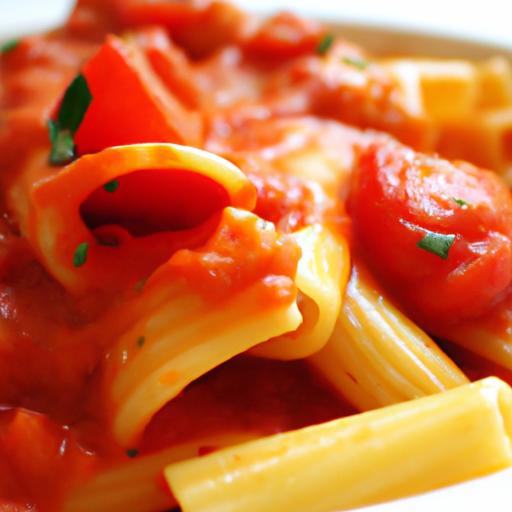

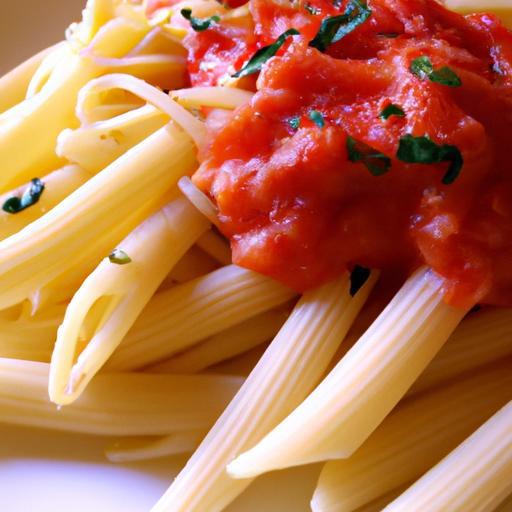
There’s something truly magical about the moment when a luscious, creamy tomato sauce meets perfectly cooked pasta-an alchemy of flavors adn textures that transforms a simple meal into a comforting masterpiece. Crafting this silky, rich sauce at home is not just about following a recipe; it’s an art form that balances acidity, sweetness, and creaminess in harmonious union.In this article, we’ll dive into the secrets of creating a creamy tomato sauce from scratch, revealing tips and techniques that’ll elevate your homemade pasta dishes from ordinary to unforgettable. Whether you’re a seasoned cook or a kitchen novice, preparing this sauce will awaken your senses and inspire your culinary creativity.
Crafting Creamy Tomato Sauce for Perfect Homemade Pasta
Crafting creamy tomato sauce for perfect homemade pasta begins with choosing the right ingredients and understanding the subtle techniques that transform simple tomatoes into a luscious, velvety sauce. The secret to this timeless italian classic lies not only in the ripeness of the tomatoes but also in the delicate balance of herbs, spices, and the creamy base that wraps the flavors beautifully. Whether it’s a comforting weeknight dinner or a special occasion, this sauce will elevate any pasta creation with its rich depth and silky smoothness.
Prep and Cook Time
- Readiness: 15 minutes
- Cooking: 30 minutes
- Total Time: 45 minutes
Yield
Serves 4 generously
Difficulty Level
Easy to Medium - perfect for home cooks seeking comfort with a culinary touch
Ingredients
- 2 lbs ripe roma tomatoes, peeled, seeded, and chopped
- 2 tbsp extra virgin olive oil
- 1 small yellow onion, finely diced
- 3 cloves garlic, minced
- 1 cup heavy cream
- 1/2 cup whole milk
- 1 tsp sea salt, or to taste
- 1/2 tsp freshly ground black pepper
- 1 tsp dried oregano
- 2 tbsp fresh basil, chiffonade
- Pinch of red chili flakes (optional, for subtle heat)
- 1 tbsp unsalted butter
- Freshly grated Parmesan cheese, for garnish
instructions
- Select and prepare your tomatoes: Start by choosing the ripest, firm yet juicy Roma tomatoes, which provide a naturally sweet and concentrated base. To peel easily, score a small ”X” on the bottom and blanch them in boiling water for 30 seconds, then transfer to ice water to loosen skins. Peel and chop finely.
- Sauté aromatics: Heat the olive oil in a heavy-bottom skillet over medium heat. Add the diced onion and sauté until translucent and tender, about 5 minutes. Add garlic and cook for one more minute until fragrant-avoid browning to maintain a smooth flavor profile.
- Cook down the tomatoes: Stir in the chopped tomatoes along with the dried oregano and a pinch of salt. Simmer gently for about 20 minutes, allowing the sauce to thicken and the flavors to meld. Stir occasionally to prevent sticking and breaking down too much.
- create the cream base for silky smoothness: In a separate small saucepan, gently warm the heavy cream and milk together. Slowly add this dairy mixture to the tomato sauce, stirring continuously to prevent curdling. Incorporate the butter now for an extra glossy finish.
- Balance with herbs and spices: Add the fresh basil and pepper, adjusting seasoning carefully. If you like a hint of warmth, fold in the red chili flakes here. let the sauce simmer on low for another 5 minutes to fully integrate the flavors without boiling.
- Perfect the consistency: If the sauce is too thick,add a splash of pasta water to loosen. Conversely, simmer a little longer if too thin, until it coats the back of a spoon luxuriously. The goal is a sauce that clings beautifully to every strand of pasta.
- Toss and serve: Combine the sauce promptly with hot, freshly cooked pasta to ensure the sauce binds perfectly. Garnish with a sprinkle of Parmesan and an extra drizzle of olive oil for shine and depth.
Chef’s Notes
- Tomato varieties: While Roma tomatoes offer the perfect balance, feel free to experiment with San Marzano for authentic Italian heritage or heirloom tomatoes for a vibrant twist.
- Dairy alternatives: For a lighter version without sacrificing creaminess, substitute half the heavy cream with unsweetened cashew milk but reduce cooking time to avoid separation.
- Make-ahead tip: This sauce improves if made a day ahead. Store in an airtight container in the fridge, then gently reheat, adding a splash of milk or pasta water to regain silky texture.
- Enhance depth: For an earthy richness, sauté finely chopped mushrooms with onions. Avoid overpowering the fresh tomato character.
Serving Suggestions
Serve your creamy tomato sauce tossed with fresh fettuccine, pappardelle, or classic spaghetti. To elevate presentation, sprinkle with torn fresh basil leaves, a dusting of Parmesan, and finish with a swirl of extra virgin olive oil. A handful of toasted pine nuts adds delightful crunch, or pair with a crisp green salad featuring arugula and lemon vinaigrette for balance.

| Nutrient | Per Serving |
|---|---|
| Calories | 310 kcal |
| Protein | 7 g |
| Carbohydrates | 18 g |
| Fat | 24 g |
For more pasta inspiration, check out our Classic Spaghetti alla Puttanesca recipe. To deepen your understanding of tomato varieties, visit US Dairy Association’s guide to tomato selection.
Q&A
Q&A: Crafting Creamy Tomato Sauce for Perfect Homemade Pasta
Q1: What makes a tomato sauce creamy without using cream?
A1: Achieving creaminess in tomato sauce can be done naturally by incorporating ingredients like blended roasted vegetables (such as red peppers or carrots), sautéed onions, or a touch of starchy pasta water.Slow cooking tomatoes until they break down and release their natural pectin also helps create a luscious, velvety texture without dairy.
Q2: Which tomatoes are best suited for a rich, creamy sauce?
A2: Plum tomatoes like Roma or San Marzano are ideal due to their dense flesh and low moisture. They provide a deep,sweet flavor and a thicker texture,which creates a perfect base for that creamy consistency. Using fresh, ripe tomatoes during peak season will elevate the sauce even further.
Q3: How can I balance acidity and sweetness in tomato sauce?
A3: Balancing acidity is key to a harmonious sauce. adding a small pinch of sugar or finely grated carrot during cooking helps mellow sharp edges. Simmering the sauce gently also softens acidity, letting natural sweetness emerge. Fresh basil or a splash of quality olive oil can round out flavors beautifully.
Q4: What’s a secret ingredient to enhance creaminess and depth in tomato sauce?
A4: A handful of cashews soaked and blended into your sauce can add unexpected creaminess and richness without overpowering the luminous tomato flavor. Alternatively, a swirl of nut-based milk (like almond or oat) can provide silkiness while keeping the sauce light.
Q5: How critically important is the cooking method in developing a creamy texture?
A5: Extremely important! Slow simmering allows flavors to meld and liquids to reduce, concentrating richness. Starting with a soffritto-gently cooked aromatics like garlic, onions, and celery-builds a flavorful base.Stirring regularly prevents sticking and encourages natural starches to thicken the sauce gradually.Q6: Can I prepare this tomato sauce ahead of time? Dose it still stay creamy?
A6: Absolutely! Tomato sauce often tastes better the next day as the flavors deepen overnight. When reheated gently, it retains its creamy texture. If the sauce thickens too much, stirring in a bit of reserved pasta water or a touch of plant-based milk will refresh that luscious consistency.
Q7: What pasta shapes pair best with creamy tomato sauce?
A7: Creamy tomato sauce clings beautifully to ridged or tube-shaped pastas like rigatoni, penne, or cavatappi. These shapes trap sauce inside and on their surfaces, ensuring every bite bursts with flavor. Ribbon pastas like fettuccine also work well, twirling up creamy goodness with each forkful.
Q8: How can I make my creamy tomato sauce more vibrant and fresh-tasting?
A8: Finishing the sauce with fresh herbs such as basil, oregano, or parsley just before serving adds bright, herbal notes.A squeeze of fresh lemon juice can lift flavors without adding tangy harshness. High-quality extra virgin olive oil drizzled atop warms the palate and adds a silky sheen.
Q9: Is it possible to make this sauce vegan and still get that creamy comfort?
A9: Definitely! By using plant-based ingredients like blended nuts, mild non-dairy milks, and plenty of sautéed veggies, you can craft a sauce that’s indulgently creamy and entirely vegan. Nutritional yeast can add a subtle cheesy depth, enhancing the overall richness.Q10: What common mistakes should I avoid when making creamy tomato sauce?
A10: Avoid rushing the simmering process; high heat can break down the sauce unevenly and create a watery consistency. Overloading with too many tomatoes or liquid dilutes creaminess. Also, under-seasoning can leave the sauce flat, so taste frequently and adjust salt and herbs accordingly to find the perfect balance.
Future Outlook
As the rich aroma of your creamy tomato sauce fills the kitchen, you realize that this simple blend of fresh ingredients and careful technique has transformed an ordinary meal into something extraordinary. Crafting the perfect sauce is both an art and a science-a delicate balance of acidity, creaminess, and seasoning that elevates every bite of homemade pasta. With these tips in hand, you’re not just cooking a sauce; you’re creating a comforting experience that brings warmth to the table and joy to those who gather around it.So next time you stir your pot, remember: the secret ingredient is a little patience and a whole lot of love.