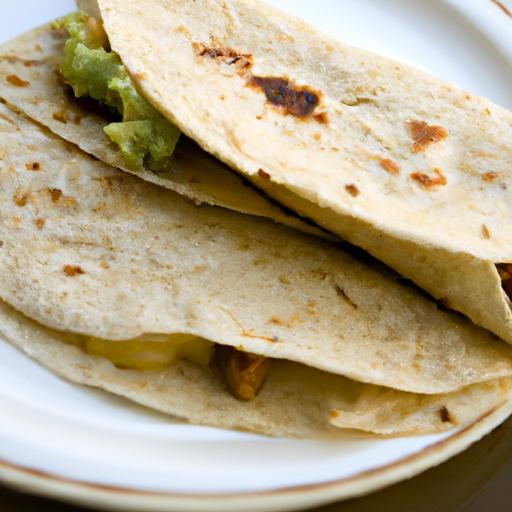

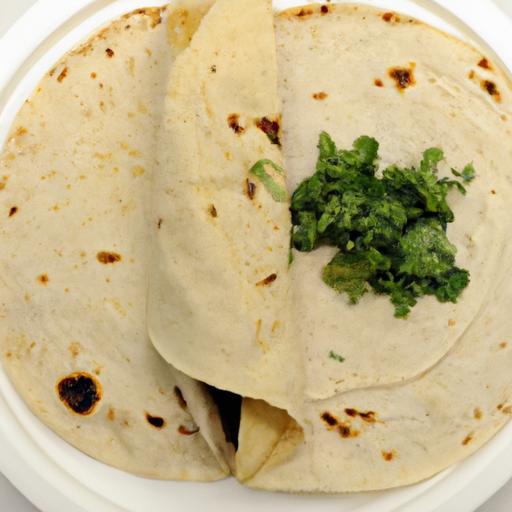
Beneath the warm embrace of a simple, round wheat tortilla lies a story as rich and layered as it’s soft, pliable folds. From humble beginnings in ancient kitchens to its starring role in global cuisines today, the wheat tortilla has woven itself into the fabric of countless cultures, meals, and memories. In this article, we’ll unwrap the fascinating history behind this versatile staple, explore the myriad ways it enriches our plates, and share mouthwatering recipes that transform simple dough into culinary delight. Prepare to discover how this unassuming flatbread continues to shape both tradition and innovation in kitchens around the world.
The Ancient Origins and Evolution of Wheat tortillas
Wheat tortillas have long been a culinary cornerstone bridging ancient traditions and contemporary kitchens. Wheat tortillas unwrapped reveal a fascinating journey from the humble flatbreads of northern Mexico and Spain’s influence,evolving through time to become globally embraced staples. Originating as flexible, easy-to-make bread, wheat tortillas reflect centuries of cultural exchange and adaptation, treasured for their soft texture and versatility.
Personally, my first unforgettable encounter with fresh, warm wheat tortillas was at a bustling Mexican market, where the aroma of toasted flour filled the air. That simple, pliable flatbread transformed everyday meals into vibrant feasts, inspiring me to explore their history and myriad uses further.
Prep and Cook Time
- Prep Time: 15 minutes
- Cook Time: 10 minutes
- Total Time: 25 minutes
Yield
8 medium-sized tortillas (6-8 inch diameter)
Difficulty Level
Easy – perfect for beginners and seasoned home cooks alike
Ingredients
- 2 cups all-purpose flour,sifted
- 1/2 teaspoon salt
- 3/4 cup warm water (110°F/43°C)
- 3 tablespoons vegetable oil or melted unsalted butter
- Optional: 1/4 teaspoon baking powder for extra softness
Instructions
- Combine dry ingredients: In a large bowl,whisk together the all-purpose flour,salt,and baking powder (if using).
- Incorporate liquids: Slowly add the warm water and oil while mixing with your hand or a wooden spoon until a shaggy dough forms.
- Knead the dough: Transfer to a lightly floured surface and knead for 8-10 minutes until smooth and elastic. The dough should be soft but not sticky.
- Rest the dough: Cover with a damp cloth and let it rest for 20 minutes. this relaxes the gluten, making the tortillas easier to roll out.
- Divide and shape: Divide dough into 8 equal portions, rolling each into a tight ball. Let them rest again under the cloth for 5 minutes.
- Roll out tortillas: Lightly flour your surface and roll each ball into a thin, round disk about 6-8 inches wide.Aim for even thickness for uniform cooking.
- cook tortillas: heat a dry skillet or cast-iron pan over medium-high heat. Cook each tortilla for about 30 seconds on the first side until bubbles form, then flip and cook 20-30 seconds on the other side. Flip once more briefly for a perfect puff.
- Keep warm and flexible: Stack cooked tortillas wrapped in a clean kitchen towel to retain moisture and softness.
tips for Success
- water temperature matters: Lukewarm water activates gluten optimally-too hot will kill the yeast-like activity baking powder mimics.
- Resting time is key: Don’t rush the dough rest; it improves versatility and prevents cracking.
- Use a hot pan: A properly heated skillet ensures the signature bubbles and slight char, adding character and flavor.
- Store correctly: Leftover tortillas can be wrapped tightly in foil and reheated in a skillet or microwave with a damp paper towel to restore softness.
- Explore variations: substitute up to half the all-purpose flour with whole wheat flour for a nuttier taste and more rustic texture.
Serving Suggestions
Fresh wheat tortillas are incredibly versatile. Try wrapping them around sizzling grilled vegetables and creamy avocado for a vibrant vegetarian fajita. Layer soft tortillas with spiced chickpea or black bean fillings,topped with pico de gallo and fresh cilantro for a wholesome meal. For a breakfast twist, fold in scrambled eggs, sautéed mushrooms, and a sprinkle of cheddar cheese, garnished with sliced jalapeños and a dash of hot sauce.
To elevate their presentation, serve stacked tortillas alongside small vibrant bowls of lime wedges, freshly chopped radishes, and smoky chipotle salsa. Thes touchpoints invite diners to customize flavors, transforming simple wheat tortillas unwrapped into a culinary canvas brimming with color and life.
Nutritional Data
| Nutrient | Per Tortilla (approx.) |
|---|---|
| Calories | 110 kcal |
| Protein | 3 g |
| Carbohydrates | 18 g |
| Fat | 3.5 g |

For more on traditional Mexican flatbreads and their cultural significance, check out our article on corn tortillas. To dive deeper into wheat’s agricultural history, visit Encyclopaedia Britannica for expert insights.
Q&A
Wheat Tortillas Unwrapped: History, Uses, and Recipes – Q&A
Q: Where do wheat tortillas originate from, and how did they become so widespread?
A: Wheat tortillas trace their roots back to the northern regions of Mexico and the southwestern United States, where wheat was more readily available than corn. Indigenous peoples and Spanish settlers combined their culinary traditions, leading to the creation of the soft, pliable wheat tortilla.Over time, these tortillas spread far beyond their origins, becoming a staple of Mexican-American cuisine and a beloved base for countless dishes worldwide.
Q: How do wheat tortillas differ from corn tortillas, both in texture and flavor?
A: Wheat tortillas are typically softer and more elastic than corn tortillas due to their gluten content. They have a milder, slightly nutty flavor compared to the earthier, slightly tangy taste of corn tortillas. This makes wheat tortillas especially versatile for wrapping diverse fillings or serving as flatbreads for dips and spreads.
Q: What are some classic dishes that feature wheat tortillas?
A: Wheat tortillas star in many beloved dishes, including burritos, quesadillas, fajitas, and wraps. Their large size and flexible texture make them perfect for holding hearty fillings like grilled vegetables, beans, sautéed mushrooms, marinated chicken, or seasoned beef alternatives. They’re also delightful when crisped into chips or folded over melted cheese for a golden, crispy treat.
Q: Can wheat tortillas be used in dishes outside traditional Mexican cuisine?
A: Absolutely! Wheat tortillas are culinary chameleons. Use them as pizza bases topped with fresh veggies and cheeses, or roll them up with Mediterranean-inspired fillings like hummus, roasted eggplant, and olives. They also make excellent breakfast wraps for scrambled eggs, avocado, and salsa, or even as a substitute for flatbreads in international sandwiches and gyros.
Q: What are some tips for making homemade wheat tortillas?
A: start with simple ingredients: flour, water, a pinch of salt, and a fat source like vegetable oil or butter to add tenderness. Knead the dough until smooth and rest it to relax the gluten for easy rolling. Roll each ball thinly on a floured surface and cook on a hot,dry skillet until puffy with golden spots. The key is patience and practice-over time, you’ll develop tortillas that are soft, flavorful, and perfectly pliable.
Q: How can wheat tortillas be stored to keep them fresh and tasty?
A: For short-term freshness, keep wheat tortillas wrapped tightly in foil or plastic wrap at room temperature. For longer storage, seal them in airtight bags and refrigerate or freeze. When reheating, wrap tortillas in a damp paper towel and microwave briefly to restore softness, or warm them gently in a skillet.
Q: What are some creative uses for leftover wheat tortillas?
A: Leftover wheat tortillas can be transformed into crunchy chips by slicing into triangles and baking or pan-frying until crisp. Use them as creative garnishes by cutting into strips and frying them to top soups or salads. You can also layer tortillas with sauce and cheese for swift tortilla casseroles or roll up smoothies and frozen fruits for an unconventional dessert wrap.
Q: Are wheat tortillas a good option for those looking to include more plant-based meals?
A: Yes! Wheat tortillas provide a neutral,satisfying base perfect for plant-based ingredients. they pair beautifully with grilled vegetables, beans, lentils, tofu, or seasoned mushrooms.Their soft texture makes hearty vegetable fillings feel indulgent, supporting vibrant and nutritious plant-forward meals.
Q: How has the global popularity of wheat tortillas influenced modern cooking?
A: The rise of wheat tortillas in global cuisine has encouraged fusion cooking and creative innovations.Chefs worldwide adapt tortillas to local flavors, filling them with everything from curried vegetables to spiced chickpeas or smoked cheeses. This adaptability makes wheat tortillas not just a traditional food, but a canvas for storytelling and cultural exchange in today’s kitchens.
Q: What should one look for when choosing store-bought wheat tortillas?
A: Opt for tortillas with a short ingredient list, ideally made from simple wheat flour, water, salt, and oil-without preservatives or needless additives. Check the texture: they should feel soft and flexible, not dry or crumbly. Also, consider the size and thickness depending on your intended use, whether for wraps, quesadillas, or chips.
Unlock the rich heritage and culinary potential of wheat tortillas – your kitchen’s new best friend for fast, flavorful, and wholesome meals!
Future Outlook
As we fold up our journey through the world of wheat tortillas, it’s clear that these humble discs are much more than mere wraps. Steeped in history and culture, wheat tortillas have gracefully traveled from ancient kitchens to modern tables, adapting and inspiring countless culinary creations along the way. Whether you’re savoring a classic burrito, experimenting with inventive fillings, or simply enjoying their warm, comforting simplicity, wheat tortillas continue to connect us to a rich heritage and endless possibilities. So next time you unwrap one, remember-you’re holding a story, a tradition, and a delicious canvas all in one. Happy rolling!