
As the sun dips below the horizon and the call to prayer echoes softly in the evening air, millions around the world prepare to break their fast with a cherished ritual: iftar. More than just a meal, iftar is a heartfelt gathering-a moment to come together, reflect, and celebrate community, faith, and gratitude. Whether you’re hosting your first iftar or aiming to elevate your annual tradition, this ultimate guide will help you craft an unforgettable evening that blends delicious flavors, warm hospitality, and meaningful customs. Gather your loved ones, set the table, and let’s embark on a journey to create an iftar experiance that nourishes both body and soul.
Gather & Celebrate: Your Ultimate Guide to Hosting iftar begins with thoughtful planning, weaving together flavors and ambiance that transform this sacred meal into a heartfelt experience. Whether you’re curating a menu to satisfy diverse palates or crafting a space that invites warmth and reflection,every choice plays a part in creating moments that linger long after the last bite.
Planning an Iftar Menu That Satisfies Every Appetite
When designing your Iftar feast,balance is key-combining nourishing,light starters with rich,comforting mains ensures guests feel replenished and joyful. Embrace dishes that celebrate cultural traditions while offering modern twists, allowing you to honor heritage and invite new favorites to the table.
Prep and Cook Time
- Preparation: 30 minutes
- Cooking: 1 hour 15 minutes
Yield
- Serves 6-8 people generously
Difficulty Level
- Medium - approachable for home cooks with some experience
Ingredients
- 2 cups basmati rice, rinsed and soaked for 30 minutes
- 1 lb (450g) boneless chicken thighs, cut into bite-sized pieces
- 1 large onion, thinly sliced
- 3 cloves garlic, minced
- 1 tablespoon grated fresh ginger
- 2 medium tomatoes, finely diced
- 1 cup plain yogurt
- 1 teaspoon ground turmeric
- 1 teaspoon ground cumin
- 1 teaspoon garam masala
- 1/2 teaspoon ground cinnamon
- 1/2 teaspoon smoked paprika
- Salt to taste
- 1/4 cup vegetable oil or ghee
- 1/4 cup chopped fresh cilantro, plus more for garnish
- 1/4 cup toasted slivered almonds or pistachios (optional)
- 2 1/4 cups water or chicken broth
Instructions
- Heat the oil or ghee in a large heavy-bottomed pan over medium heat. Add the thinly sliced onions and sauté untill golden brown, about 10 minutes, stirring frequently to avoid burning.
- Add the garlic and ginger and cook for another 2 minutes until fragrant, stirring constantly.
- Mix in the chicken pieces and cook, stirring, until they are browned on all sides but not fully cooked through, about 5-7 minutes.
- stir in the tomatoes along with turmeric, cumin, cinnamon, smoked paprika, and salt. Cook down until tomatoes soften and the spices meld, about 8 minutes. If the mixture begins to stick, add a splash of water.
- In a separate bowl, whisk the yogurt until smooth. Lower heat, then gradually add the yogurt to the pan, stirring to combine. Cook gently for 5 minutes, ensuring the yogurt does not curdle.
- Drain the soaked rice and add it evenly over the chicken mixture without stirring.Pour the 2 1/4 cups of water or broth gently over the rice.
- Bring the liquid to a boil, then reduce heat to low and cover tightly. Let simmer for 20-25 minutes or until the rice is tender and all liquid is absorbed.
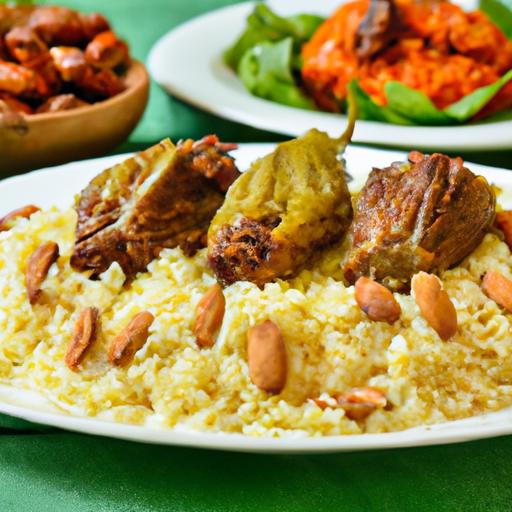
- Turn off heat; let the dish rest, covered, for 10 minutes.Fluff rice gently with a fork and scatter chopped cilantro and toasted nuts over the top before serving.
Chef’s Notes
- Make-ahead tip: Prepare the chicken masala base a day ahead; refrigerate and add fresh rice on the day of to save time.
- Vegetarian variation: Replace chicken with firm tofu or roasted vegetables such as eggplant and bell peppers.
- Spice adjustment: control heat by varying the amount of smoked paprika or add a pinch of cayenne for a spicier kick.
- Rice tip: Soaking basmati rice helps achieve fluffy, separate grains. Avoid stirring rice during cooking to prevent mushiness.
Serving Suggestions
Present your Iftar menu on a large platter or in rustic ceramic bowls to invite sharing.Pair the rice and chicken dish with a fresh cucumber and mint raita, crisp dates, and warm pita or flatbreads. Garnish with colorful pomegranate seeds or fresh herbs to add visual vibrancy and fresh flavor. Soft lighting with candles or lanterns enhances the inviting atmosphere, making every bite feel like a treasured party.
| Nutrient | Per Serving |
|---|---|
| Calories | 450 kcal |
| Protein | 35 g |
| Carbohydrates | 45 g |
| Fat | 12 g |

For extra inspiration on balancing customary flavors with a modern touch, explore our Ramadan Iftar Essentials. Learn more about cultural feasting practices at Encyclopedia Britannica’s Iftar entry.
Q&A
Q&A: Gather & Celebrate – Your Ultimate Guide to Hosting Iftar
Q1: What is Iftar, and why is it such a special occasion?
A: Iftar is the joyous meal that breaks the daily fast during the holy month of Ramadan. It’s not just about food-it’s a heartfelt gathering that celebrates gratitude, togetherness, and spiritual reflection. Sharing Iftar fosters a deep sense of community and joy after a day of fasting.
Q2: How can I create a warm and inviting atmosphere for my Iftar gathering?
A: Think soft lighting with lanterns or fairy lights, plush cushions, and colorful table settings inspired by rich, traditional fabrics. Incorporate fresh flowers or fragrant herbs like mint and basil to awaken the senses. Music that’s gentle and uplifting can complement the mood without overshadowing conversation.Q3: What are some must-have dishes for a balanced and memorable Iftar menu?
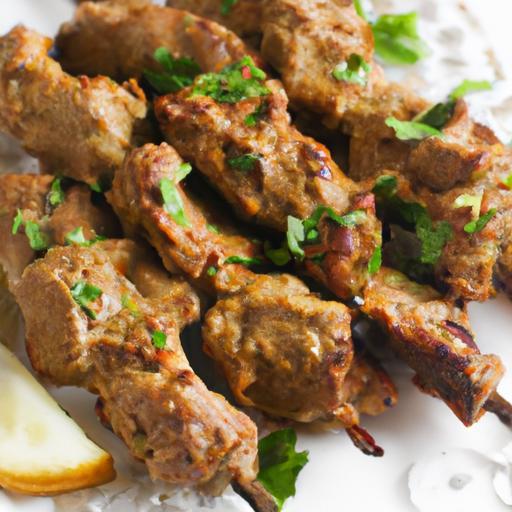
A: Start light with hydrating dates and fresh fruit to gently raise energy levels. Follow with wholesome soups like lentil or harira to warm the soul. Main dishes can range from spiced roasted vegetables and fragrant rice pilafs to protein-rich options such as grilled chicken, falafel, or baked fish. Don’t forget a sweet ending-try pastries like baklava, qatayef, or fresh fruit salads with a drizzle of honey.
Q4: How do I accommodate guests with different dietary preferences during Iftar?
A: Plan a diverse menu with vegetarian, vegan, and gluten-free options to ensure everyone feels included. incorporate plenty of legumes, grains, and seasonal vegetables. Label dishes clearly, so guests know what’s available. Sharing homemade or traditional recipes can also be a fantastic way to celebrate culinary cultures while respecting dietary needs.
Q5: Are there any special traditions or etiquette I should keep in mind when hosting Iftar?
A: Serving dates and water to break the fast is a beautiful tradition rooted in the Sunnah. Encourage guests to wash their hands before eating, and eat with the right hand as a sign of respect. Allow time for maghrib prayers if your gathering includes religious observances.Most importantly, approach the evening with patience and kindness-it’s the spirit of generosity that makes Iftar truly special.
Q6: Can I incorporate cultural elements from different Muslim communities in my Iftar?
A: Absolutely! Iftar is a tapestry of diverse cultures. Try blending recipes from various regions-like Egyptian ful medames, Moroccan zaalouk, or Indonesian kolak-for an exciting culinary journey. Decorate your space with multicultural touches and invite guests to share stories or traditions,creating a richer,more connected experience.
Q7: How can I make my Iftar eco-kind and lasting?
A: Use reusable or biodegradable tableware, and opt for locally sourced, seasonal ingredients. Minimize food waste by planning portions carefully and encouraging guests to take home leftovers. Composting scraps and using cloth napkins instead of paper also add to a mindful celebration.
Q8: What are some creative ways to engage children during Iftar?
A: Involve them in simple meal prep tasks, like washing vegetables or arranging dates on a platter. Storytelling sessions about Ramadan’s virtues, fun crafts related to lanterns or crescent moons, and setting up a cozy prayer or meditation corner can definately help children feel connected and joyful throughout the evening.
Hosting Iftar is more than just a meal-it’s an invitation to connect, reflect, and celebrate life’s blessings with those around you. With thoughtful planning and a generous heart,your Iftar will be an unforgettable gathering of warmth and joy.
In Conclusion
As the sun dips below the horizon and plates are shared beneath the soft glow of lanterns, hosting an iftar becomes more than just a meal-it transforms into a heartfelt celebration of togetherness, gratitude, and tradition. With this guide in hand, you’re equipped to create moments that nourish both body and soul, weaving memories that linger long after the last date is eaten. So gather your loved ones, embrace the spirit of Ramadan, and let your iftar be a joyful invitation to connect, reflect, and celebrate the beauty of community.after all, the true feast is found not only in the food but in the warmth of those who gather around your table.